
Robinson College, Cambridge: history, architecture, and academic life
Robinson College is the University of Cambridge's newest constituent college, founded in the late 20th century; noted for modern red‑brick architecture, mixed‑sex admission from inception, and a relaxed set of traditions.
Overview
Robinson College is one of the constituent colleges of the University of Cambridge, located in England. Established toward the end of the 20th century, it is the most recently founded full college within the Cambridge collegiate system. From its foundation the college admitted both men and women, and today it provides education and accommodation to roughly 550 graduate and undergraduate students. The college combines teaching accommodation with social, dining and study spaces that serve its academic community.
Image gallery
10 Images
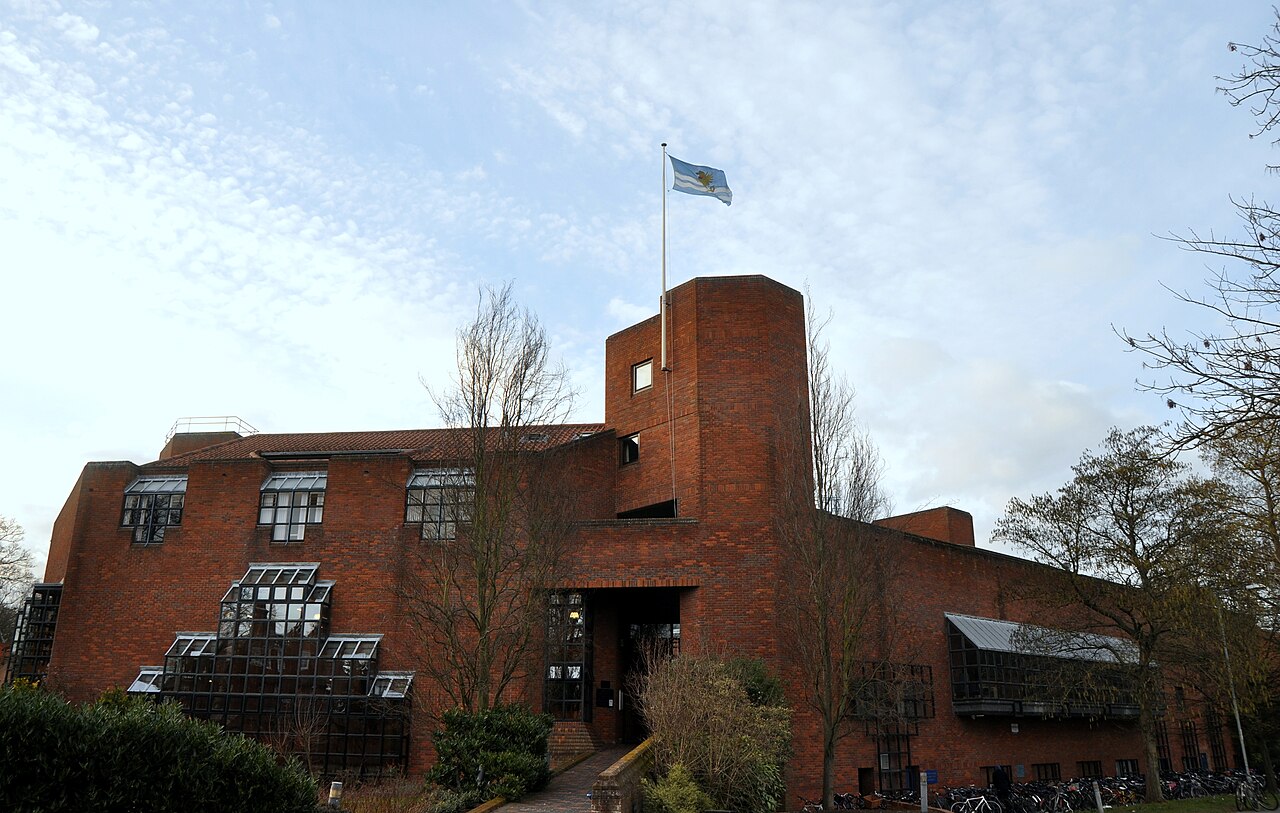


Architecture and site
The college buildings occupy a site on Grange Road, a short walk from the historic centre of Cambridge. Designed in a contemporary style for its time, the ensemble uses predominantly red brick and a coherent modern layout, creating a distinct visual identity compared with many medieval and neoclassical Cambridge colleges. The site includes student rooms, a chapel, a dining hall, common rooms, and landscaped gardens where, unlike at many older colleges, students are generally allowed to walk on the grass.
History and founding
Robinson College was created in the late 1970s with the financial support of the philanthropist David Robinson, who provided the principal funding for construction. The college received its charter and was formally established in that period; the buildings were completed and the college was officially opened by Queen Elizabeth II in 1981. Robinson's endowment and the new facilities were part of a broader expansion of Cambridge's capacity in the post‑war and late 20th century era, addressing growing student numbers and changing expectations about college life.
College life, traditions and organisation
Robinson combines elements of Cambridge collegiate ritual with a comparatively informal atmosphere. While it retains formal dinners, a chapel choir and student governance structures similar to those in other colleges, it lacks some of the stricter conventions found in older institutions. The college supports both undergraduate and graduate teaching and provides pastoral and academic support through tutors and college officers. Typical facilities include accommodation, study spaces, a library, seminar rooms and social rooms.
Notable alumni and wider connections
- Several graduates have gone on to public life, business and academia; among the better‑known alumni is the politician Nick Clegg, who served as Deputy Prime Minister of the United Kingdom.
- The founder’s support also benefited local institutions outside the college: David Robinson made a notable donation toward facilities at Addenbrooke's Hospital.
Distinctive features and facts
Robinson is often cited for its modern foundation, which informs several distinctive features: mixed‑sex admission from the start, relatively recent architectural design using red brick, and a campus layout that encourages accessibility between college spaces and the adjacent city. Its location on Grange Road places it close to teaching departments and research facilities while retaining a quieter residential character. These qualities have helped Robinson to establish its own identity within the historic and highly traditional environment of the University of Cambridge.
As a young college, Robinson continues to develop its traditions and community life. Prospective students and visitors can learn more from college publications, official tours and the college website, where details about admissions, accommodation and events are kept up to date.
Related articles
Author
AlegsaOnline.com Robinson College, Cambridge: history, architecture, and academic life Leandro Alegsa
URL: https://en.alegsaonline.com/art/83448
Sources
- robinson.cam.ac.uk : "History - Sir David Robinson"