
Robber baron: medieval toll-takers and industrial-era magnates
Two historical meanings: medieval lords who extorted unauthorized tolls from river and road traffic, and the Gilded Age pejorative for U.S. industrialists and financiers accused of monopolistic, ruthless practices.
Overview
The phrase "robber baron" has been used in two distinct historical senses. In medieval Europe it described local lords, often called Raubritter in German sources, who stationed themselves beside important trade routes and rivers and extracted unauthorized tolls or preyed on merchants. Centuries later the term reappeared as a pejorative applied to powerful industrialists and financiers, particularly in the United States during the late 19th and early 20th centuries, who were accused of accumulating great wealth through aggressive, sometimes ethically dubious, business practices.
Image gallery
3 Images

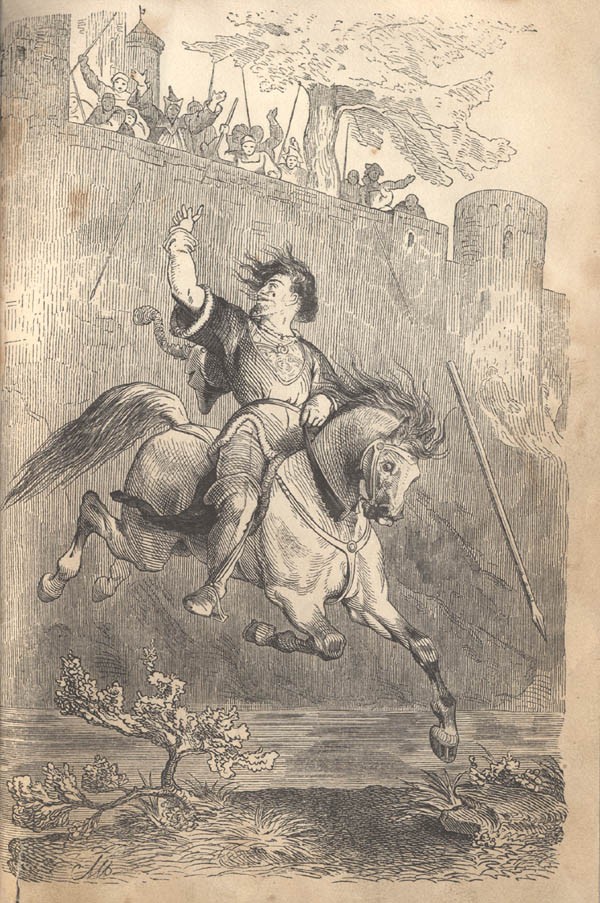
Medieval origins and practices
From the 12th century and into the 13th century, feudal fragmentation in parts of Europe created opportunities for local nobles to control choke points on trade routes. Rivers such as the Rhine were major arteries for commerce, and castles or fortified towns placed at bridges, fords or narrow passages could intercept merchant convoys. Lords or their agents would stop ships or caravans and demand payment for passage; when these exactions exceeded legal rights or were imposed without any lawful grant, contemporaries condemned the practice as brigandage.
These medieval toll-takers combined military force with strategic geography: they maintained small fleets or patrols, charged arbitrary fees, and sometimes seized cargo outright. Because sovereign authority over taxation and toll collection was legally restricted, these acts often provoked intervention by higher authorities. Within the complex jurisdictions of the Holy Roman Empire such powers—formally the prerogative of the ruler—were contested, and oppositional forces sought to suppress unlawful levies imposed by so-called robber knights. The phenomenon was shaped by the political fragmentation and limited administrative reach of central rulers in the period.
Characteristics (medieval)
- Use of fortified sites to command road and river traffic.
- Employment of armed men or ships to intercept merchants.
- Extraction of unauthorized fees, extortion, or seizure of goods.
- Periodic suppression by larger political authorities seeking to secure commerce.
Gilded Age usage in the United States
In the United States the label "robber baron" became common in popular discourse and the press in the late 19th century. It described wealthy industrialists and financiers who controlled large sectors—railroads, oil, steel, banking—and were accused of practicing monopoly, price manipulation, secret rebates, and political influence to insulate their enterprises from competition. Critics contrasted these figures with the term "captain of industry," which framed industrial leaders as innovators and builders of infrastructure.
Characteristics (industrial era)
- Market consolidation by horizontal or vertical integration to dominate supply chains.
- Aggressive competitive tactics such as predatory pricing, rebates, and exclusive contracts.
- Lobbying, patronage, and efforts to influence legislation and regulation to favor corporate interests.
- Contentious labor relations, including strikebreaking and opposition to unionization.
Legal and political responses
Public concern about economic concentration and abusive corporate practices contributed to legal reforms and regulatory efforts at the turn of the 20th century. In the United States, antitrust measures and enforcement actions sought to limit monopolistic combinations and restore competition. Political movements and legislation also addressed labor conditions, corporate governance, and transparency. Debates about the appropriate balance between encouraging enterprise and preventing abuse informed Progressive Era reforms and remain relevant in contemporary policy discussions.
Historiography and modern usage
Scholars remain divided on the label's fairness. Some historians emphasize the role of major entrepreneurs in financing rail networks, industrial plants and technological innovation; others stress the social and economic costs of concentrated wealth and anti‑competitive behavior. The term "robber baron" endures in public discourse as a shorthand for perceived corporate predation and inequality. Its medieval and modern meanings are linked by a common image: private power exploiting public channels of trade or economic opportunity.
Further reading and links
For medieval context see treatments of feudal authority and river tolls in the 12th century and 13th century. For the role of trade routes and strategic geography consult works on European commerce and the Rhine valley. The legal status of tolls and taxation under imperial structures is discussed in studies of the Holy Roman Emperor and imperial rights. For the later usage as slang and political rhetoric, see contemporary accounts of Gilded Age criticism and reform movements where the term appears as a popular slang label for powerful financiers and industrialists.
Related articles
Author
AlegsaOnline.com Robber baron: medieval toll-takers and industrial-era magnates Leandro Alegsa
URL: https://en.alegsaonline.com/art/83249