
Bahawalpur (princely state)
Bahawalpur was a South Asian princely state in the Punjab region, located between the Sutlej and Indus rivers. Founded in the late 17th century, it acceded to Pakistan in 1947 and was merged in 1955.
Overview
Bahawalpur was a Muslim-ruled princely state in the historic Punjab region of South Asia. Centered on the city of Bahawalpur, the state lay on the southern bank of the Sutlej and Indus river systems and included parts of the adjacent Cholistan desert. Governed by a hereditary line of Nawabs, Bahawalpur combined agricultural plains with desert tracts and served as an important local centre of administration, trade and culture.
Image gallery
10 Images


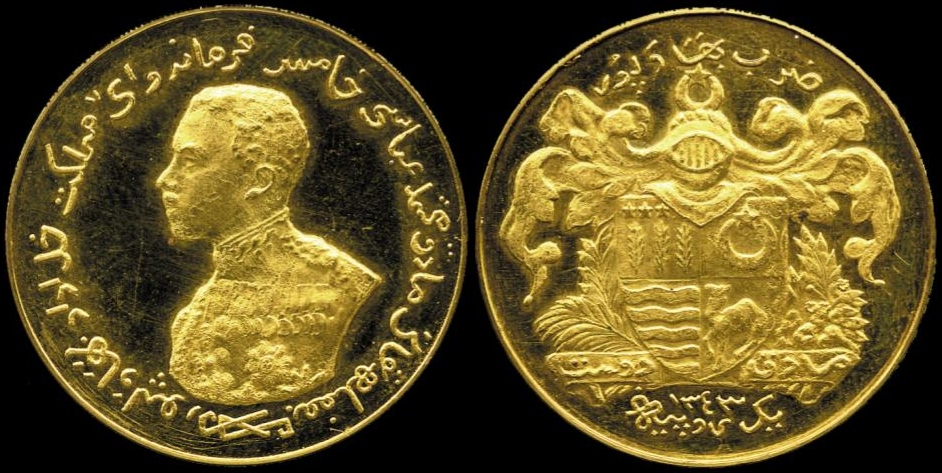


Territory and administration
At mid-20th century the state covered an extensive area and was organised into several districts, including Bahawalpur (the capital district), Rahimyar Khan, and Bahawalnagar. Much of its economy rested on irrigated agriculture fed by canal works and seasonal river flows. The ruling family maintained local institutions and invested in palaces, fortifications and civic buildings that remain landmarks in the region.
Origins and ruling house
Bahawalpur traces its foundation to the late 17th century, when a member of the local chieftaincy established a compact territorial state. The line of Nawabs that ruled Bahawalpur belonged to a dynasty often described in regional sources; over time they negotiated their position with larger powers on the subcontinent and with the British during the era of colonial influence.
Modern period and accession
During the 19th and early 20th centuries Bahawalpur preserved a degree of internal autonomy while engaging with colonial authorities. On 7 October 1947 the state formally chose to accede to the newly created Dominion of Pakistan, joining other princely states in the two dominant independent states that emerged from British India. The accession preserved many local privileges initially, but the political landscape changed rapidly in the following years.
Merger and legacy
Some years after accession the state's separate institutions were consolidated into the national framework. The territorial entity was merged into the province structure that became West Pakistan on 14 October 1955. Elements of Bahawalpur's built heritage — palaces, forts and public buildings — and aspects of its administrative legacy continued to influence the region's identity.
Notable places and facts
- Capital city: Bahawalpur, the administrative and cultural centre.
- Principal rivers and water systems: Sutlej and Indus river plains that supported agriculture.
- Historic districts included Bahawalnagar and Rahimyar Khan.
- Accession to Pakistan formalised on 7 October 1947.
- Later administrative reorganisation merged the state into West Pakistan and into the national system on 14 October 1955.
- Bahawalpur is commonly described in reference works as a former princely state of the Punjab region.
Today, the historic territory of Bahawalpur forms part of the modern Pakistani province of Punjab and remains noted for its archaeological sites, desert landscapes and surviving examples of the state's civic architecture.
Related articles
Author
AlegsaOnline.com Bahawalpur (princely state) Leandro Alegsa
URL: https://en.alegsaonline.com/art/8322