
Baikonur Cosmodrome
Historic spaceport in southern Kazakhstan, built by the Soviet Union in the 1950s. Leased to Russia through 2050, it remains a primary site for crewed Soyuz launches and many satellite missions.
Overview
The Baikonur Cosmodrome is one of the world's oldest and most historically important spaceports. Known in Russian as Космодро́м Байкону́р and in Kazakh as Байқоңыр ғарыш айлағы, it occupies a large territory in southern Kazakhstan. Built by the Soviet Union in the late 1950s, the complex became the launch site for many of the early milestones of space exploration and continues to operate as a multi-pad spaceport under long-term arrangements with Russia.
Image gallery
9 Images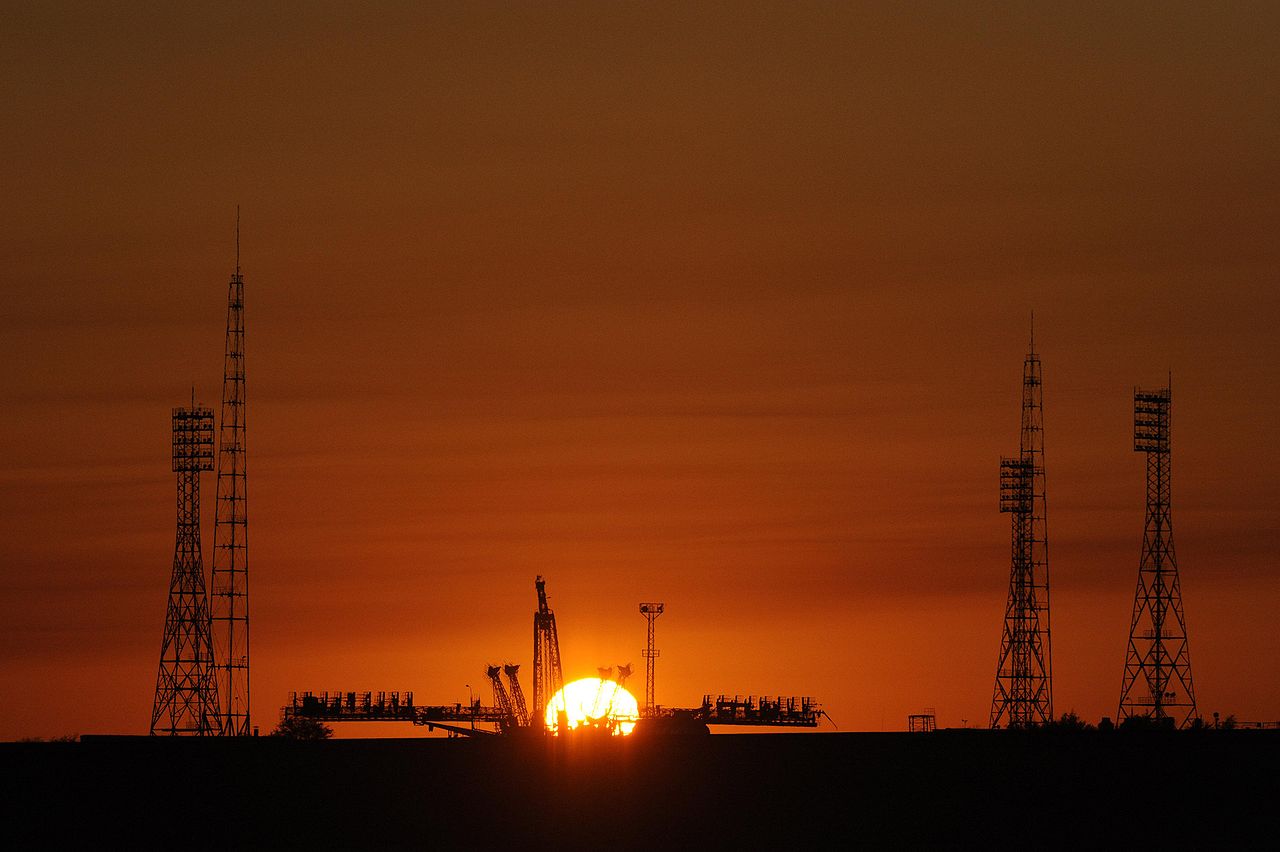




Location and access
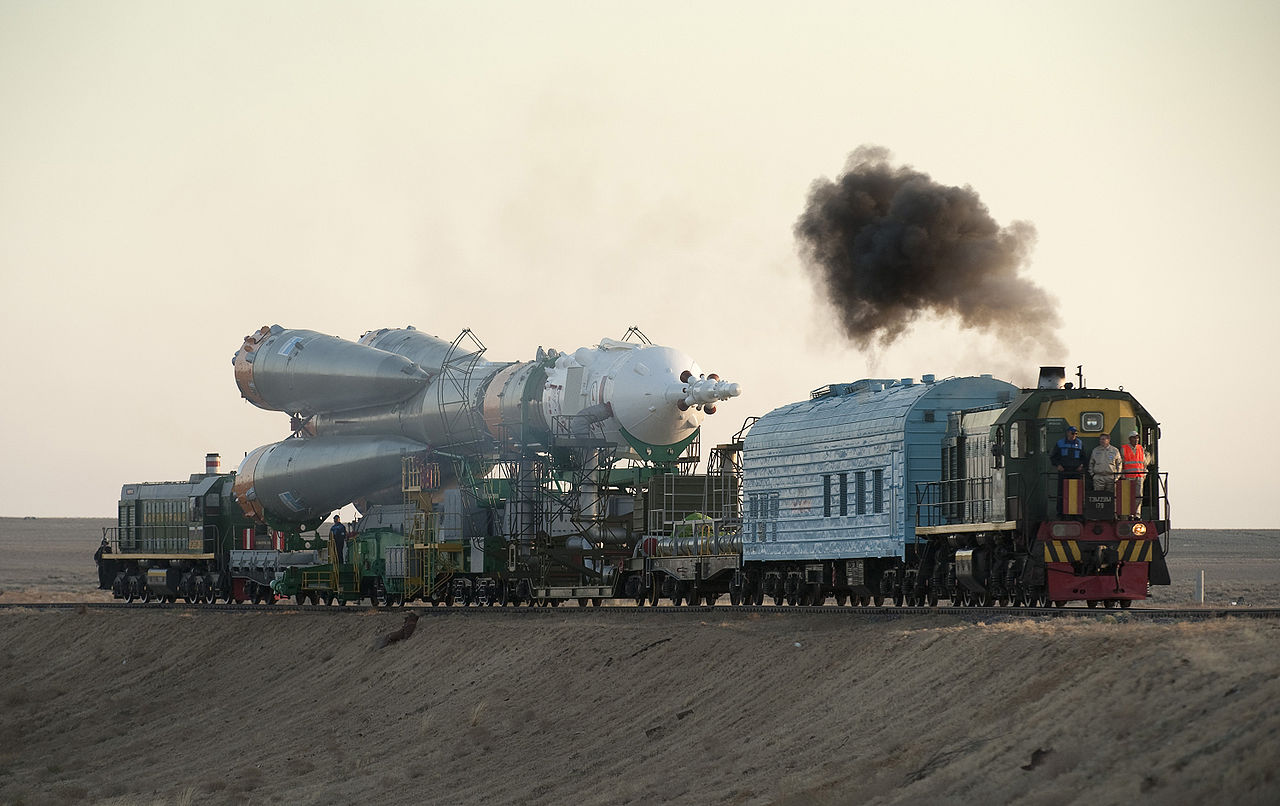
Baikonur is located in a semi-arid steppe region chosen for its broad, flat terrain and relative remoteness, which provided safety margins for early rocket development and testing. The site includes launch pads, vehicle processing and assembly buildings, fueling facilities, tracking stations, administrative areas and living accommodations for crews and technical staff. Rail lines and road links connect the complex to industrial and logistical centers.
Facilities and launch complexes
The cosmodrome comprises multiple launch pads and support installations designed to accommodate a range of launch vehicles. Vehicle integration halls handle final assembly and checks; specialized fueling infrastructure supports propellants used by different rocket families; and control and tracking systems manage countdowns and telemetry. The site includes at least one pad widely known for its role in crewed missions and often referred to in public accounts by a commemorative name.
Historical milestones
Baikonur was the departure point for several key firsts in space history. In 1957 the facility launched Sputnik 1, generally acknowledged as the first artificial satellite placed into Earth orbit. A few years later the complex launched Vostok 1, the mission that carried Yuri Gagarin and achieved the first human orbital flight. The pad used for that mission has been publicly known as Gagarin’s Start in recognition of the event. These and subsequent missions established Baikonur’s central role in the early decades of space exploration.
Operations and management
Following the dissolution of the Soviet Union, Baikonur remained an operational facility located within the independent Republic of Kazakhstan. Under bilateral agreements, Russia leases the cosmodrome and manages launch operations; this arrangement has included a lease term extending into the 21st century to ensure continuity for Russian crewed and many uncrewed programs. Baikonur supports regular launches of crewed spacecraft, cargo missions to orbital stations and a variety of commercial and government satellite deployments, and is staffed by Russian space agency and military personnel in cooperation with Kazakh authorities.
Notable uses and current importance
- Crewed flights: Baikonur has been the traditional launch site for many Russian crewed missions, including routine flights to orbital stations and other human spaceflight activities; see references to crewed Russian spaceflights.
- Launch cadence: The complex routinely supports dozens of launches in active years, encompassing scientific, commercial and government payloads.
- Supporting infrastructure: Integration, fueling and tracking systems at Baikonur remain critical for the operation of several rocket families and mission types.
Environmental, social and political context
Baikonur’s long history has had environmental and social impacts typical of large launch facilities: land use changes, contamination risks associated with propellants in past decades, and communities tied to the cosmodrome through employment and services. The presence of a major foreign-managed launch site on Kazakh territory involves ongoing diplomatic and technical coordination between national authorities. The arrangement has enabled continued access to an established launch infrastructure while stimulating local economies and cooperation in space programs.
Legacy and future
As a working facility with deep historical roots, Baikonur remains both symbolic and practical: it is an emblem of the beginnings of the space age and an active node for contemporary orbital missions. Future developments at Baikonur will be influenced by changes in Russian and international space programs, investments in new infrastructure, and the evolving geopolitical and commercial landscape of space launch services. For detailed technical and operational updates, consult official agency publications and dedicated historical studies.
Questions and answers
Q: What is Baikonur Cosmodrome?
A: Baikonur Cosmodrome is a spaceport in southern Kazakhstan.
Q: Which country manages Baikonur Cosmodrome?
A: Baikonur Cosmodrome is managed by Russia.
Q: What was the original purpose of Baikonur Cosmodrome?
A: Baikonur Cosmodrome was originally built by the Soviet Union in the late 1950s for their space program.
Q: What is the significance of Baikonur Cosmodrome in space exploration?
A: Baikonur Cosmodrome is the first and most active spaceport in the world, with many commercial, military and scientific rocket launches each year. All crewed Russian spaceflights are launched from Baikonur.
Q: What historical events have occurred at Baikonur Cosmodrome?
A: Sputnik 1, the first artificial satellite, was launched from Baikonur in 1957. Vostok 1, the first human spaceflight, was also launched from Baikonur, carrying Yuri Gagarin. The launchpad used for these missions was renamed Gagarin's Start.
Q: How long is Baikonur Cosmodrome leased to Russia?
A: Baikonur Cosmodrome is leased to Russia until 2050.
Q: Who manages Baikonur Cosmodrome?
A: Baikonur Cosmodrome is managed by Roskosmos and the Russian aerospace forces.
Tags
Related articles
Author
AlegsaOnline.com Baikonur Cosmodrome Leandro Alegsa
URL: https://en.alegsaonline.com/art/8347
Sources
- nasa.gov : "NASA-Baikonur Cosmodrome"
- ilslaunch.com : "Baikonur Cosmodrome"