
Bahá'u'lláh: Founder of the Bahá'í Faith
Bahá'u'lláh (1817–1892) was the Persian founder of the Bahá'í Faith. He taught the unity of humanity and religion and left extensive writings that guide Bahá'í belief and practice.
Overview
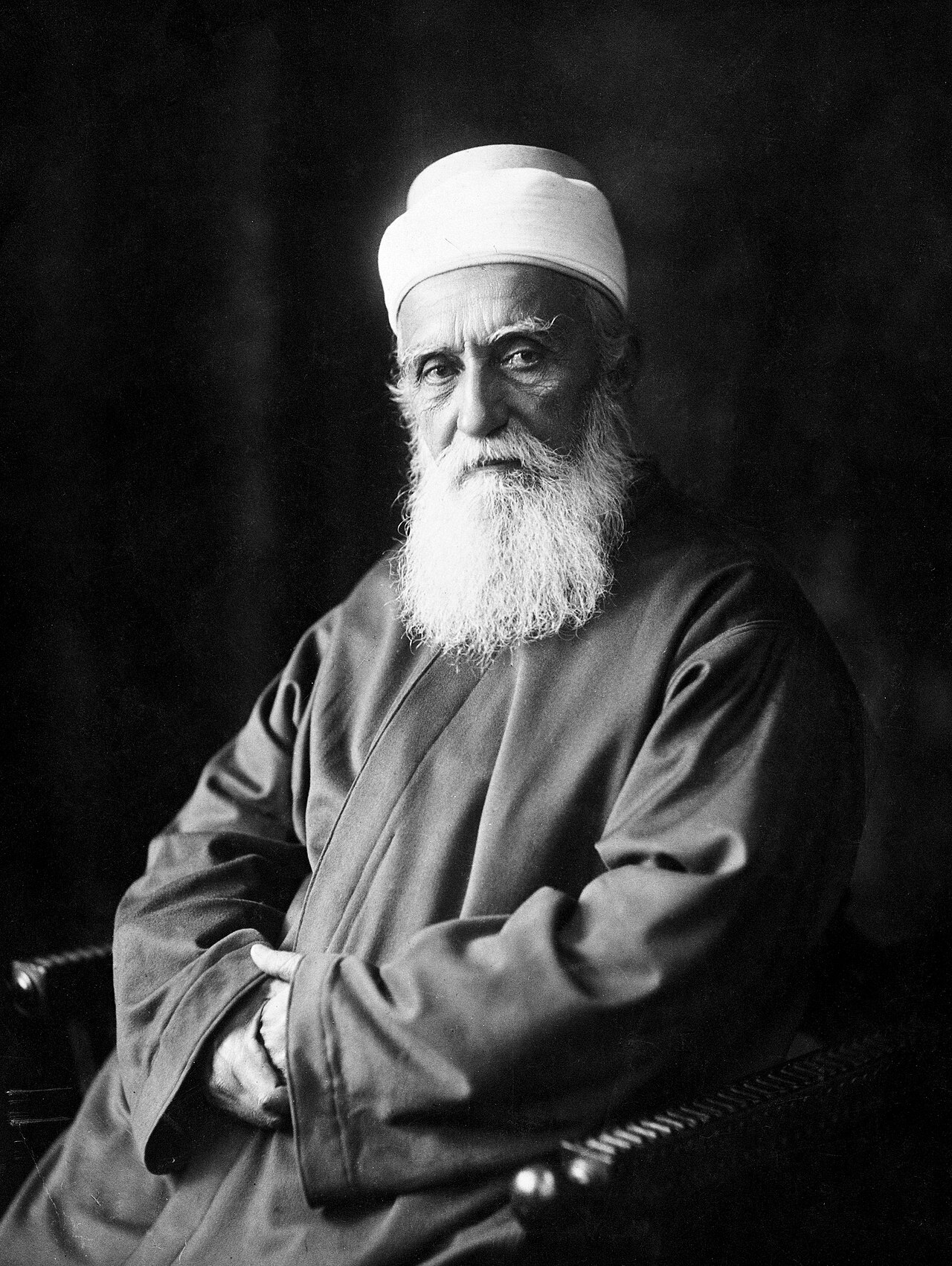
Bahá'u'lláh, a title meaning "Glory of God," is the founder of the Bahá'í Faith and one of the central figures of that religious community. Born Mirza Husayn-'Ali Nuri in 1817 in Tehran, in what was then Persia, he came from a noble family and later claimed a divinely inspired mission. His followers regard him as a Manifestation of God or a messenger of God; this conception emphasizes that religious revelation is progressive and that great world religions are successive chapters of the same divine purpose (see). The Bahá'í community and many scholars identify his life and writings as the foundation of the modern Bahá'í religious system, often summarized under the term Bahá'í Faith.
Image gallery
10 Images





Life and historical context
Bahá'u'lláh was born in 1817 (1817) and died in 1892 (1892). During his adult life he lived at a time of political change and social tension in Persia and the Ottoman Empire. Because of his teachings and the rapid growth of his followers, he experienced arrest and a series of exiles: first to Baghdad, then to Constantinople and Adrianople, and finally to the prison city of Acre in Ottoman Palestine. Even under restriction he composed extensive letters and books that laid out his spiritual and social teachings.
Teachings, writings, and organization
Bahá'u'lláh taught principles intended to address social and spiritual challenges of his era and beyond. Among the best-known teachings are:
- the unity of humanity and the oneness of the human family;
- the fundamental unity of all major world religions and the idea of progressive revelation;
- the equality of women and men and the importance of universal education;
- the harmony of science and religion, the elimination of prejudice, and the pursuit of world peace.
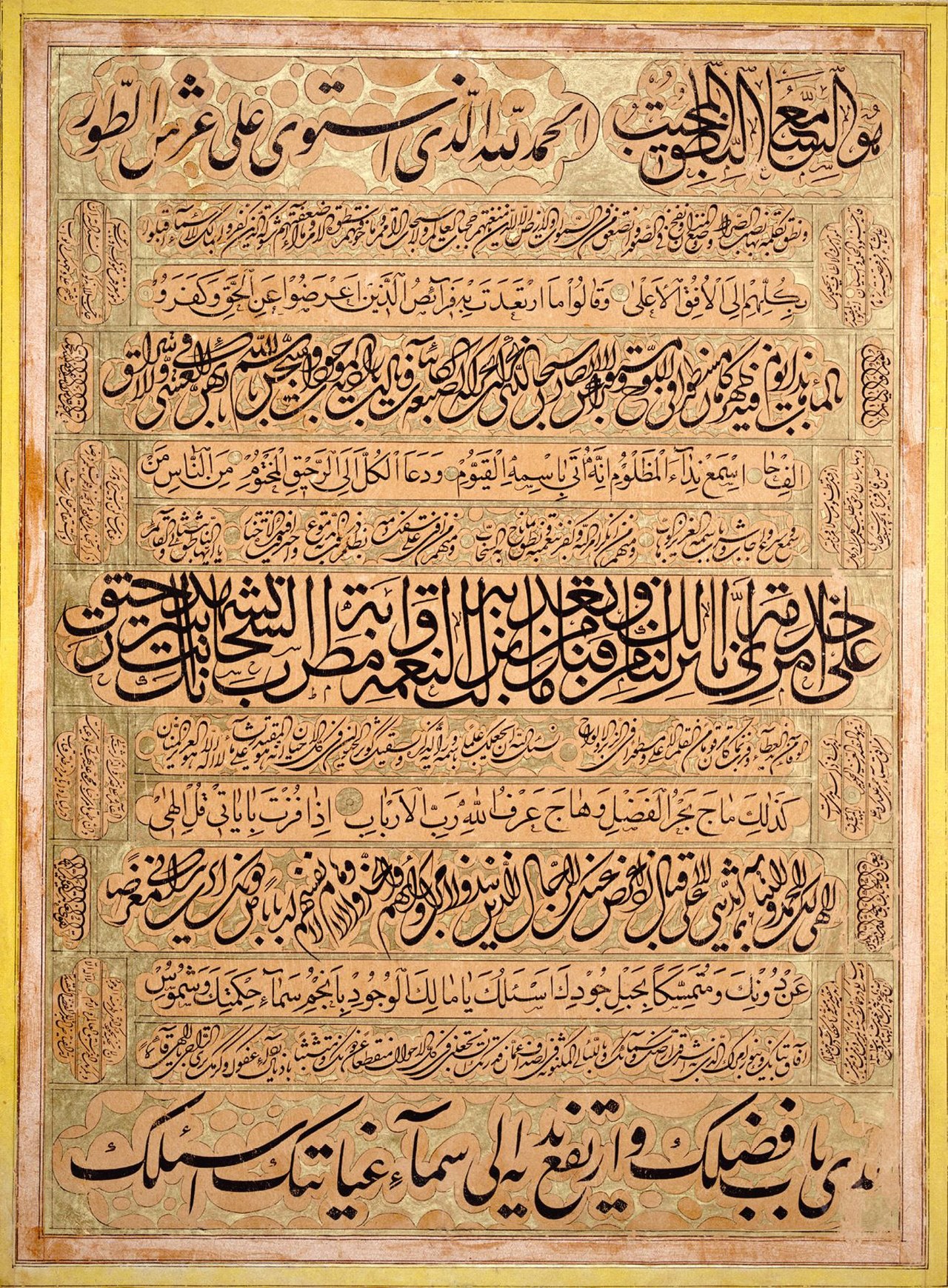
His principal writings include works known to Bahá'ís such as the Kitáb-i-Aqdas (often called the Most Holy Book), the Hidden Words, and the Book of Certitude (Kitáb-i-Íqán). These texts combine spiritual guidance with recommendations for social reform and the moral development of individuals and communities.
Influence and succession
Bahá'u'lláh's teachings produced an international religious movement whose administration rejects a clergy and relies on elected councils and institutions. After his passing in 1892, leadership of the community passed to his eldest son, known as ʻAbdu'l-Bahá, who interpreted and spread Bahá'u'lláh's writings. The movement continued to organize, codify practices, and expand globally. The Bahá'í calendar, holy days, and community structures today trace their origins to Bahá'u'lláh's guidance.
Notable distinctions
Bahá'u'lláh is distinctive among modern religious founders for combining a broad social program with spiritual teachings and an extensive corpus of writings written while in exile. His claim to be a messenger is framed within the doctrine of progressive revelation: rather than abolishing earlier religions, his writings present a continuity with them. Readers seeking more detailed study can consult primary Bahá'í texts and scholarly introductions to the Bahá'í Faith or general histories of 19th-century Persian and Ottoman religious movements (biographical and historical resources).
Tags
Related articles
Author
AlegsaOnline.com Bahá'u'lláh: Founder of the Bahá'í Faith Leandro Alegsa
URL: https://en.alegsaonline.com/art/8317