
1817: a year of political change and cultural milestones
Overview of 1817, a post‑Napoleonic year marked by U.S. political transition, South American independence campaigns, British expansion in India, cultural losses, and social reform beginnings.
1817 was a common year in the Gregorian calendar set in the decade after the Napoleonic Wars. It falls during the European Restoration, a period when governments and borders rearranged after 1815, while the Industrial Revolution and independence movements in the Americas continued to reshape politics and society.
Image gallery
10 Images


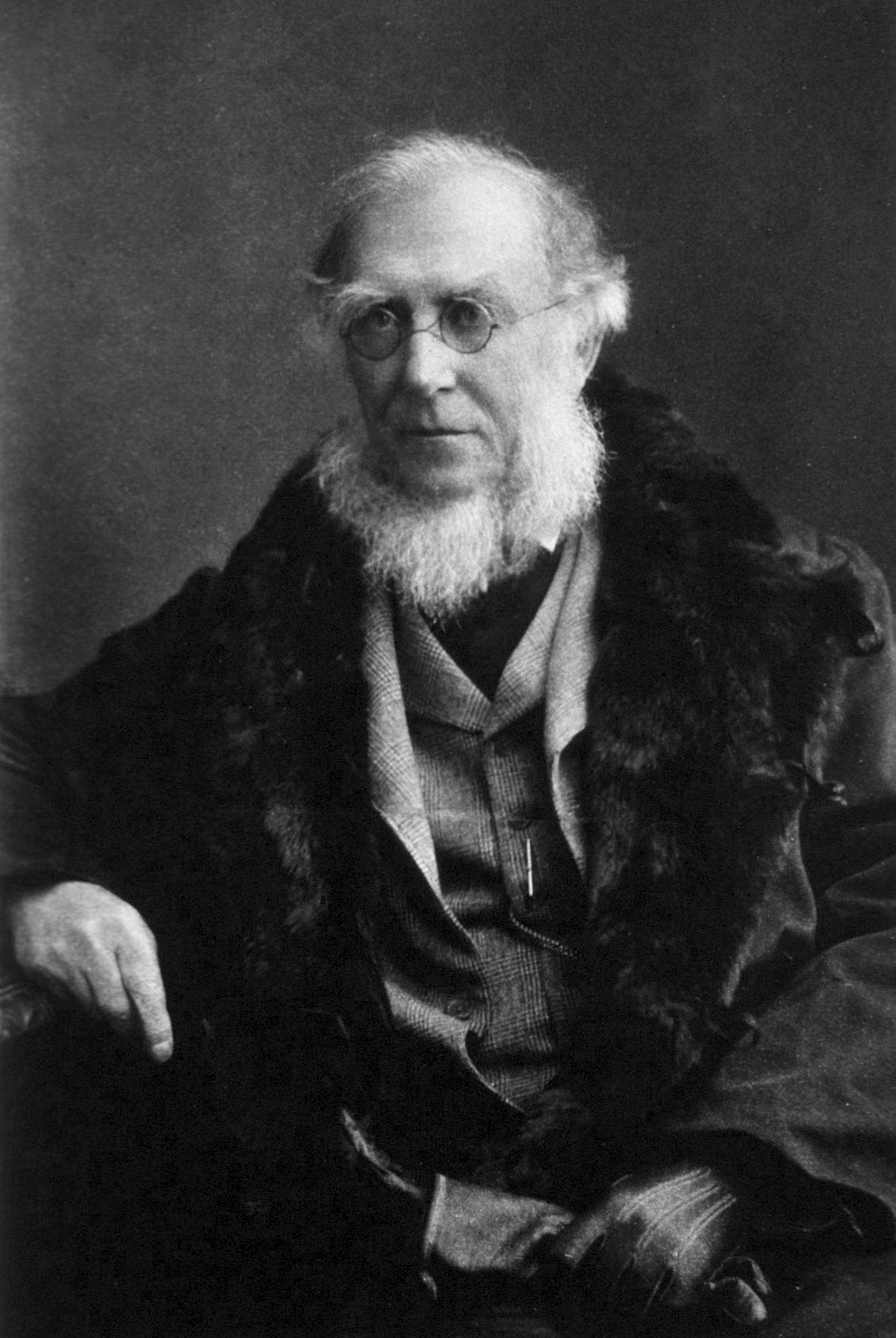
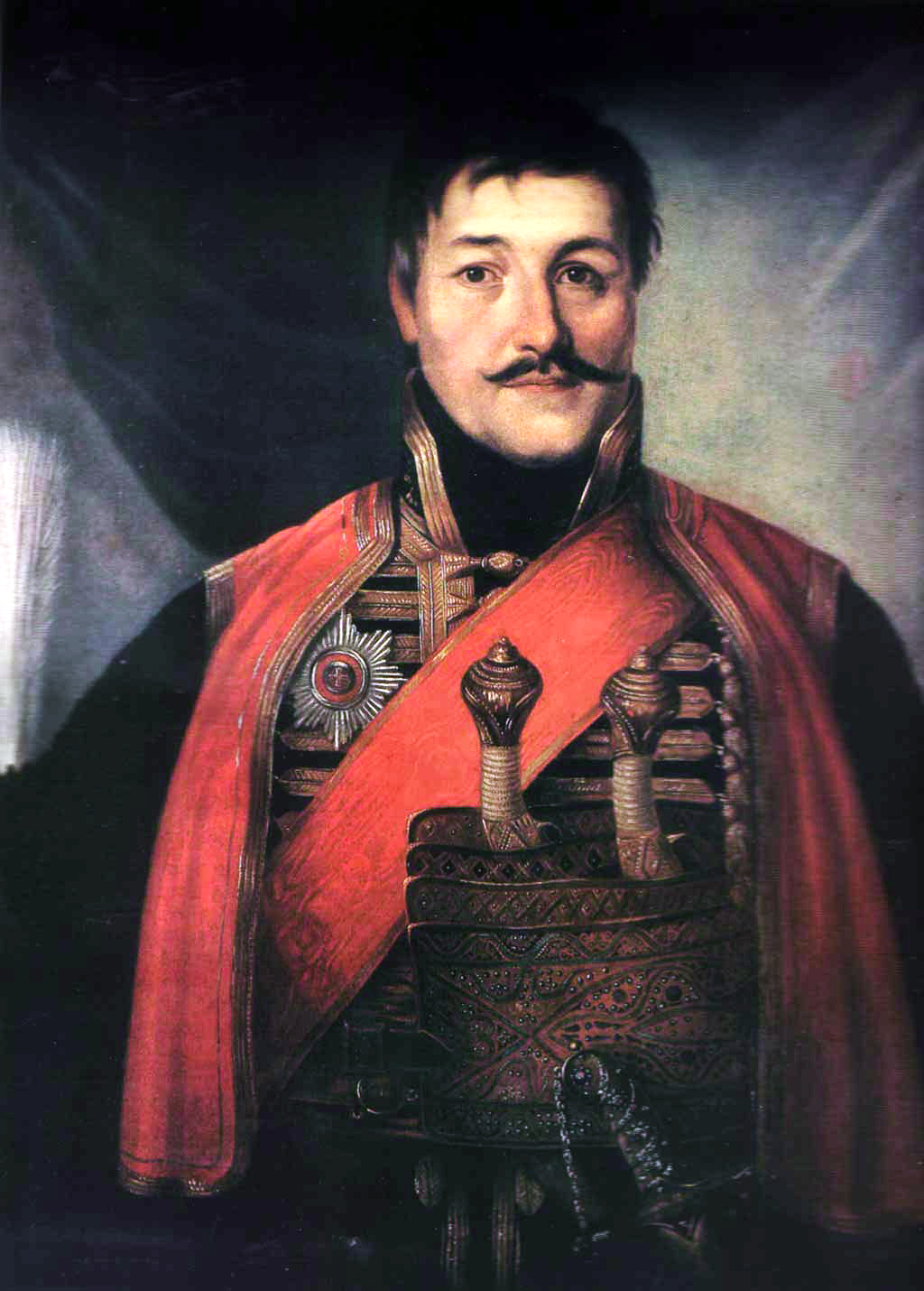
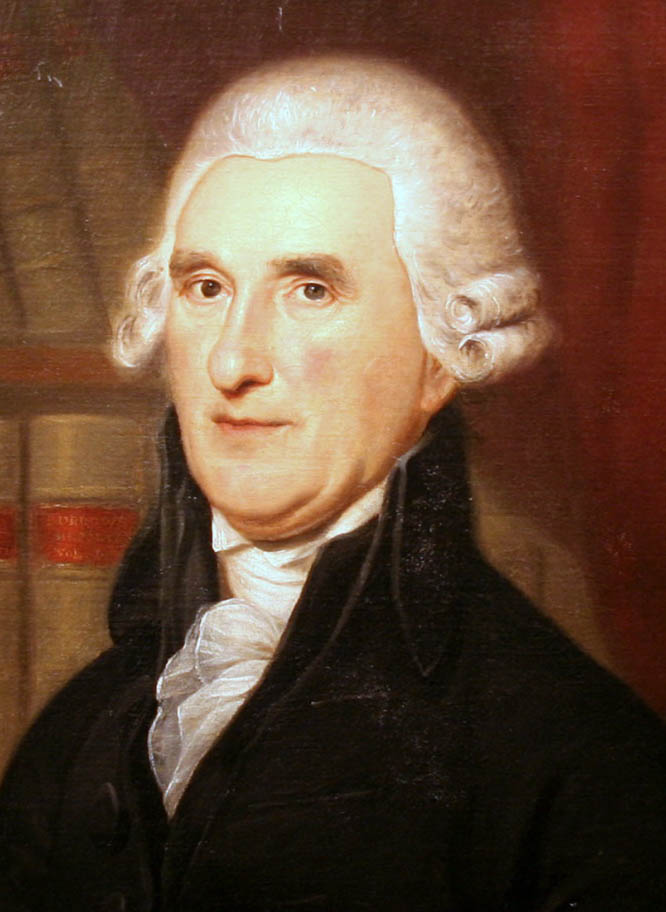


Notable political and military events
- United States: A change of administration followed the presidential election; the new presidency ushered in what later became called the "Era of Good Feelings," a phase of relative political calm and national consolidation.
- South America: Campaigns for independence advanced. In the southern Andes, José de San Martín led forces that won decisive actions which helped liberate Chile from Spanish rule, contributing to the wider Spanish American wars of independence.
- British India: The subcontinent saw renewed conflict as the British East India Company moved to suppress regional powers, beginning operations that culminated in the Third Anglo‑Maratha hostilities and reconfigured control over large territories.
- North America: Military operations against resisting Indigenous peoples and incursions in Spanish Florida set the scene for later American expansion and diplomatic friction with Spain.
Culture, institutions and society
The year witnessed both cultural achievements and notable losses. In Britain, the death of the young Princess Charlotte provoked public mourning and political concern about succession. The novelist Jane Austen died in 1817; her body of work, increasingly appreciated after her death, would become central to later literary study. In the United States, efforts to provide specialized education for people with disabilities gained ground: institutions and schools for the deaf and blind were established or expanded during this period, reflecting a growing interest in organized social welfare and education reform.
Notable deaths
- Jane Austen (d. 1817) – English novelist whose novels of manners and social observation had a lasting influence on English literature.
- Princess Charlotte of Wales (d. 1817) – the only legitimate grandchild of King George III at the time; her death caused nationwide mourning in Britain and altered succession prospects.
Although 1817 may appear quieter than the war years that preceded it, the year is illustrative of broader transitions: the consolidation of state power after continental conflict, the continuing collapse of colonial empires in the Americas, and growing social and cultural institutions spawned by industrializing societies. Events and developments of 1817 helped set political and social trajectories that would shape the following decades.
Questions and answers
Q: What year was 1817?
A: 1817 was a common year.
Q: Is 1817 a leap year?
A: No, 1817 is not a leap year.
Q: How many days are in the year of 1817?
A: The year of 1817 has 365 days.
Q: What type of calendar is used for the year of 1817?
A: The Gregorian calendar is used for the year of 1817.
Q: Was there any significant event that happened in the year of 1817?
A: There were several significant events that occurred in the year of 1817, such as the opening of London's Regent's Canal and the creation of Mississippi State University.
Q: Are there any holidays celebrated during this time period?
A: Yes, some holidays celebrated during this time period include Christmas Day and New Year's Day.
Q: What other years are considered "common" years?
A: Other years considered to be "common" years include 1783, 1799, and 1895.
Related articles
Author
AlegsaOnline.com 1817: a year of political change and cultural milestones Leandro Alegsa
URL: https://en.alegsaonline.com/art/111769