
Abdu'l‑Bahá — Interpreter and Exemplar of the Bahá'í Faith
Abdu'l‑Bahá (1844–1921), son of Bahá'u'lláh, led and interpreted the Bahá'í Faith during long exile. He travelled widely, promoted unity, and left writings and talks influential in the religion's development.
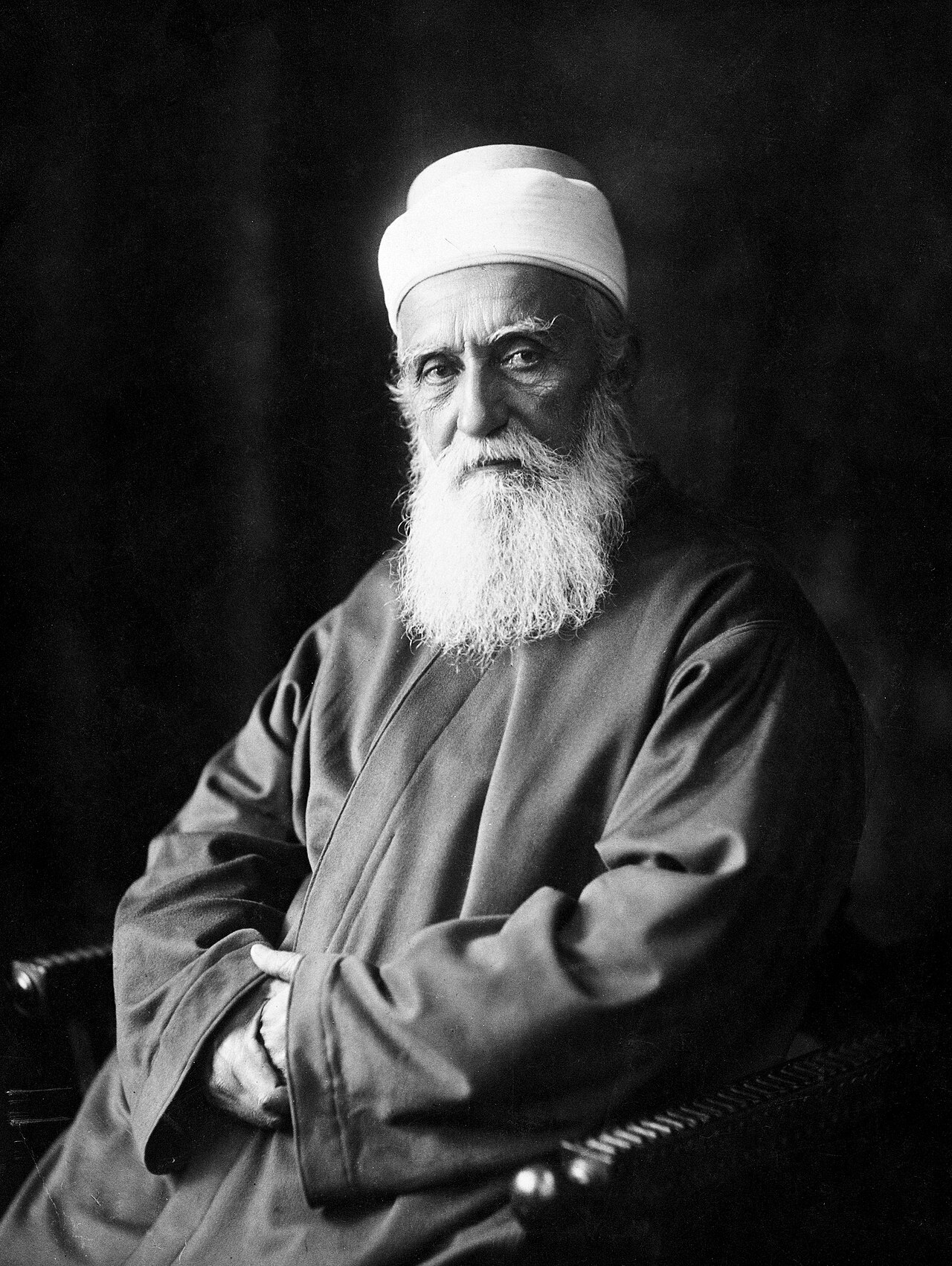
Abdu'l‑Bahá (born 23 May 1844, died 28 November 1921) is a central figure in the Bahá'í Faith, known both as the eldest son of its founder, Bahá'u'lláh, and as the authorized interpreter of his father's writings. He was born in Persia and spent most of his adult life in a series of imprisonments and forced exiles that shaped his role and message. His life combined personal sacrifice with active public engagement: he served as a leader, teacher, and model of the beliefs he promulgated.
Image gallery
10 Images





Life, exile, and travels
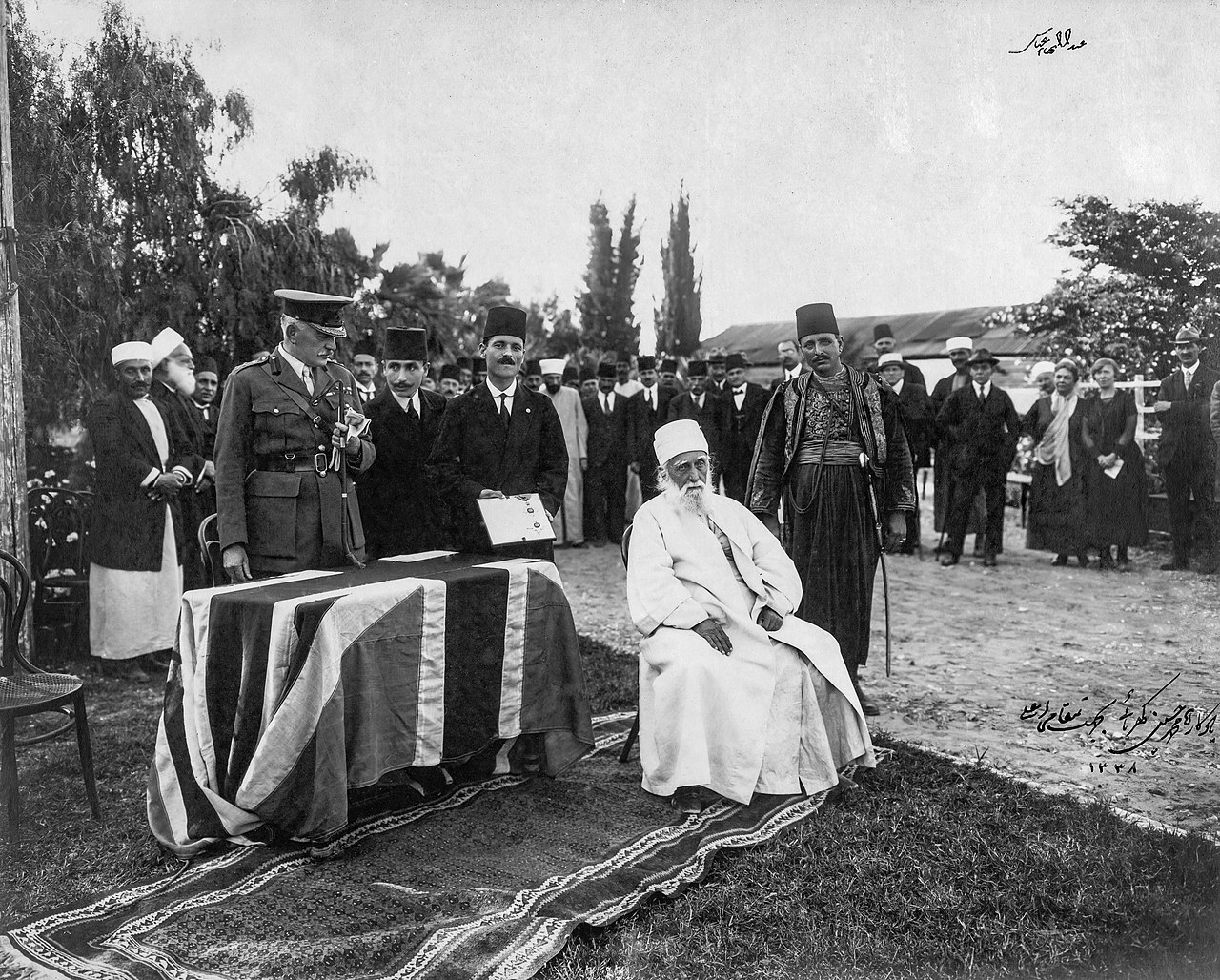
After his father's declaration, Abdu'l‑Bahá accompanied Bahá'u'lláh through successive displacements. He endured long confinement in the prisons and fortresses of the Ottoman Empire and later lived in Acre and Haifa, where he continued to carry responsibilities for the community. In the early 20th century he undertook influential journeys to Europe and North America, meeting scholars, civic leaders and diverse audiences to explain Bahá'í principles; these visits helped establish Western communities and public awareness. Contemporary accounts record his presence in public life until his death in 1921.
Teachings, writings, and themes
Abdu'l‑Bahá emphasized core Bahá'í teachings such as the unity of humanity, the harmony of science and religion, the equality of women and men, and the necessity of universal education. He expounded his father's writings and offered practical counsel on social reform. Some of his talks and answers were collected in works that remain important to Bahá'ís and scholars. Examples of topics he addressed include racial unity, international peace, and moral development.
Works and examples
- Addresses and talks: public speeches given during his Western journeys and in Palestine.
- Explanatory writings: compilations of question-and-answer sessions that clarify doctrinal and ethical matters.
- Practical action: relief efforts and community organization during wartime and famine in the region.
During World War I and its aftermath he coordinated relief that aided many inhabitants of Acre and Haifa, an activity frequently cited when assessing his leadership and humanitarian outlook. His home and burial place in Haifa remain sites of reverence and study for visitors and adherents.
Abdu'l‑Bahá is often described by Bahá'ís as the appointed interpreter of Bahá'u'lláh's teachings and the exemplar of their application; this role helped shape the religion's early structure and prevented competing claims about meaning. For further introductory material and timelines see brief resources on his birth and family, biographical summaries, and accounts of his death. More detailed discussions and primary text collections are available through specialized texts and archives (Bahá'í Faith overview, Bahá'u'lláh references).
Tags
Related articles
Author
AlegsaOnline.com Abdu'l‑Bahá — Interpreter and Exemplar of the Bahá'í Faith Leandro Alegsa
URL: https://en.alegsaonline.com/art/361