
River Tyne — geography, history, bridges and recreation
The River Tyne in North East England: its course and tributaries, historic role in industry and ports, notable bridges, recreation and conservation, and cultural importance.
The River Tyne is a principal river in North East England that flows through a mix of urban centres, industrial heritage sites and rural valleys. Formed by two main tributaries in the Pennines, the Tyne reaches the North Sea after passing through the conurbation of Newcastle and Gateshead. It has long shaped local economy, transport and culture and today supports recreation, wildlife and riverside regeneration.
Image gallery
10 Images


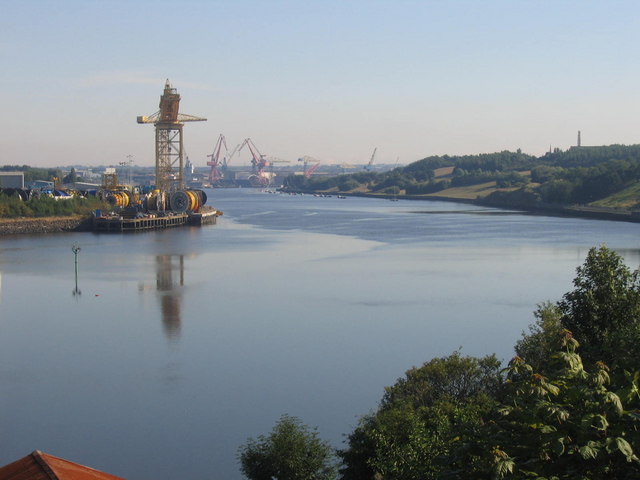


Course and features
The Tyne is created where its two headwaters meet in the uplands of the Pennines. From there the river runs eastwards through a varied landscape and broad floodplain before widening near its mouth. Several smaller rivers and streams feed the Tyne along its length; these tributaries and valleys contribute to local water levels and habitats.
Notable crossings
Bridges are a defining feature of the Tyne and have become local landmarks. Notable crossings include:
- Tyne Bridge — an iconic arched road bridge that links Newcastle and Gateshead and is a familiar symbol of the region.
- Gateshead Millennium Bridge — a visually distinct pedestrian and cycle tilt bridge built around the turn of the 21st century.
- Other historic crossings such as swing and rail bridges that mark the river's long transport role.
The bridges physically and economically connect communities on either bank; see local council and visitor sources for maps and crossing points (overview).
History and economic role
Historically the Tyne was at the centre of industries such as coal shipping, shipbuilding and heavy engineering. Coal and manufactured goods were exported from quays and docks along the river, helping the towns along its banks to grow during the Industrial Revolution and into the 19th and 20th centuries. Many former industrial sites have been redeveloped for housing, culture and leisure, reflecting a shift from heavy industry to a mixed urban economy.
Recreation, environment and conservation
The river is used for a variety of recreational activities. In warmer months people take part in rowing, sailing and other water sports (water sports), and riverside paths attract walkers and cyclists. Visitor figures are sometimes quoted in regional studies and tourism materials; for example, more than 43,500 people are reported to visit sections of the Tyne each year (visitor information).
Environmental work has focused on improving water quality and restoring habitats to support fish, birds and riverside vegetation. Conservation groups, local authorities and national agencies continue to monitor and manage flood risk while enhancing access and biodiversity.
Civic and cultural significance
The Tyne remains a powerful cultural symbol for communities such as Gateshead and Newcastle upon Tyne. Its bridges, riverside festivals and waterfront developments contribute to a sense of place and are central to local identity, tourism and urban life.
Related articles
Author
AlegsaOnline.com River Tyne — geography, history, bridges and recreation Leandro Alegsa
URL: https://en.alegsaonline.com/art/83138
Sources
- environment-agency.gov.uk : "Environmental Agency - River Tyne Salmon Action Plan Review"
- britannica.com : "River Tyne - river, England, United Kingdom"