
Newcastle upon Tyne: history, culture and landmarks
Concise encyclopedia entry on Newcastle upon Tyne: its geography, history, landmarks (Tyne Bridge, castle), culture (Geordie dialect), universities, industry, transport and notable facts.
Overview
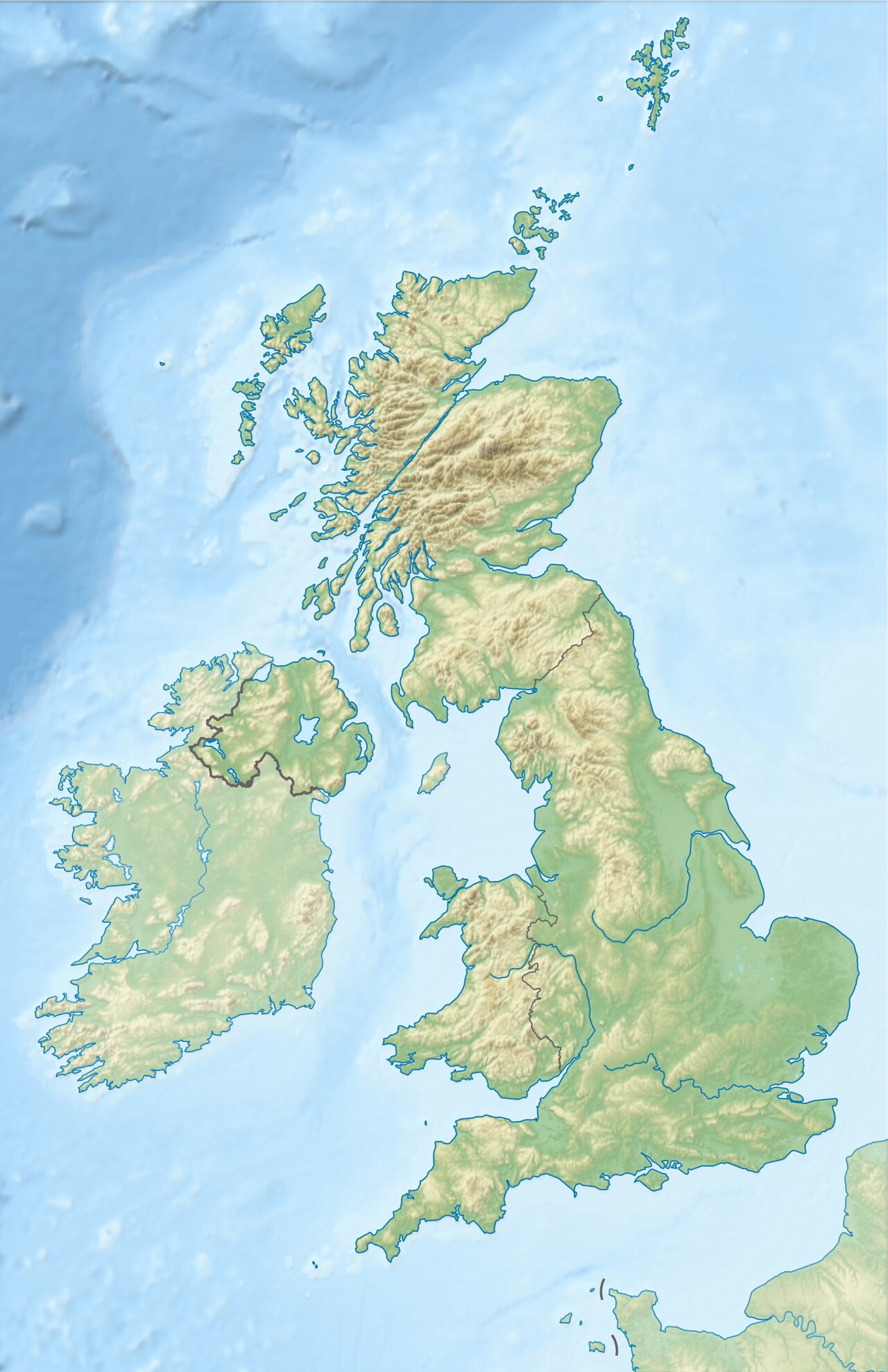
Newcastle upon Tyne is a city in north-east England, built along the northern bank of the River Tyne. It grew from a medieval castle into a major industrial and cultural centre. The municipal area is home to roughly a quarter of a million residents, while a much larger population lives in the surrounding urban and metropolitan area.

Image gallery
10 Images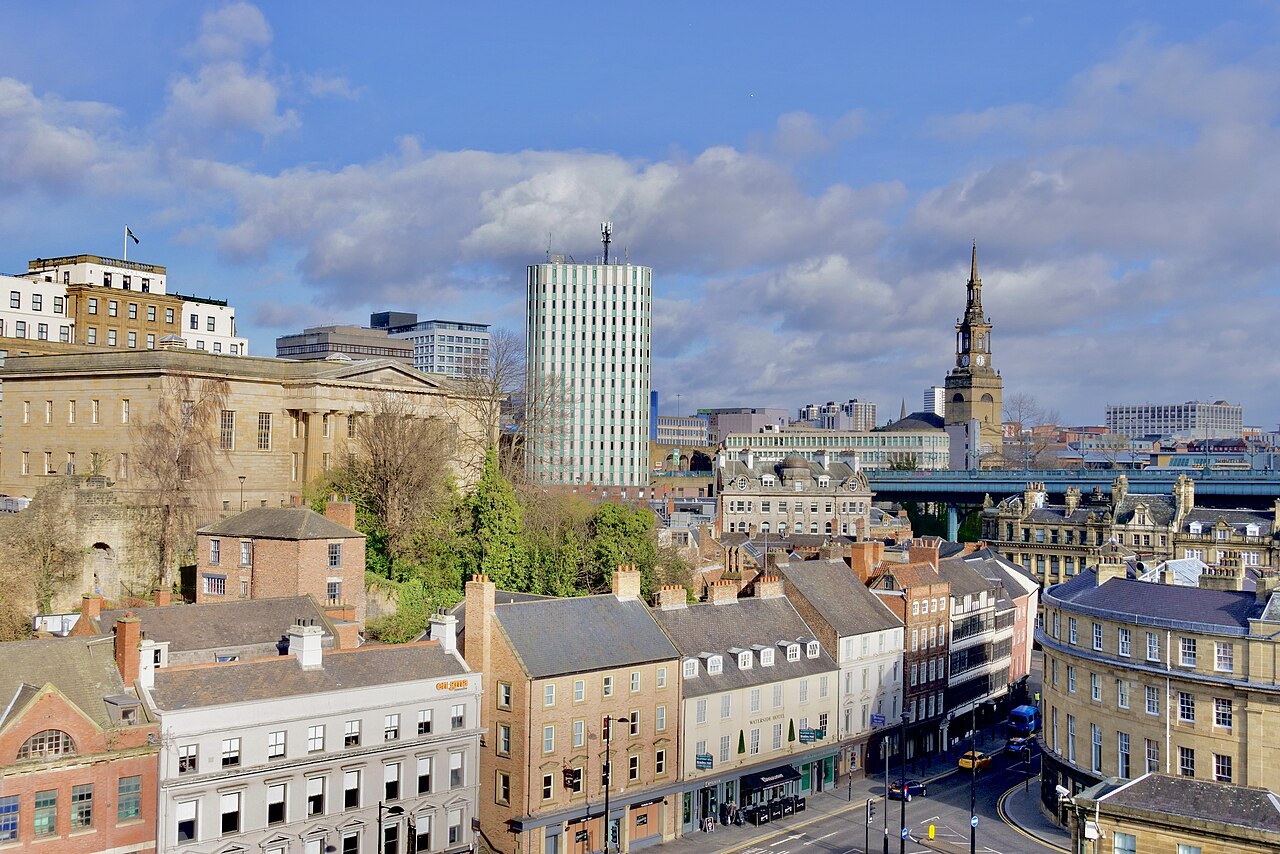




Characteristics and landmarks
The city is known for its striking riverside skyline and several bridges that cross the Tyne, the most iconic being the Tyne Bridge. Other notable sites include the medieval Newcastle Castle, the sweeping Georgian Grey Street, and the contemporary Gateshead Millennium Bridge. Important civic buildings and churches, such as St Nicholas' Cathedral, add architectural variety.
History and development
Newcastle's origins lie in Roman and early medieval settlements, but the name and prominence come from a fortress built beside the Tyne in the Norman period. The town expanded greatly during the Industrial Revolution: coal, shipbuilding, engineering and railway works made it a regional hub. Over the 20th century the heavy industries declined and the city refocused on services, education and culture.
Culture, language and education
Residents of Newcastle are commonly called Geordies and speak with the distinctive Geordie dialect and accent. Local vocabulary and pronunciation—examples include "areet" for "alright" and "toon" for "town"—are widely recognised within Britain. The city is an educational centre, hosting major institutions such as Newcastle University and Northumbria University, which contribute to arts, research and a large student community.
Economy, transport and sport
Today the economy blends public services, education, digital and creative industries, with a growing leisure and tourism sector. Transport links include a regional airport, mainline rail connections, and the Tyne and Wear Metro light-rail system. Sport is central to local identity: football club Newcastle United and its stadium draw strong local support and national attention.
Notable facts and distinctions
Newcastle is often referred to simply as "Newcastle" in everyday speech. It is distinct from the wider ceremonial county and the adjacent boroughs that together make up the Tyneside conurbation. The city combines an industrial past with a lively cultural scene, renowned nightlife and a reputation for friendly local hospitality known across the UK.
Related articles
Author
AlegsaOnline.com Newcastle upon Tyne: history, culture and landmarks Leandro Alegsa
URL: https://en.alegsaonline.com/art/69736