
River Taw
A major river in north Devon rising on Dartmoor and flowing north through Barnstaple to a wide estuary that joins the Torridge before entering the Bristol Channel.
Overview
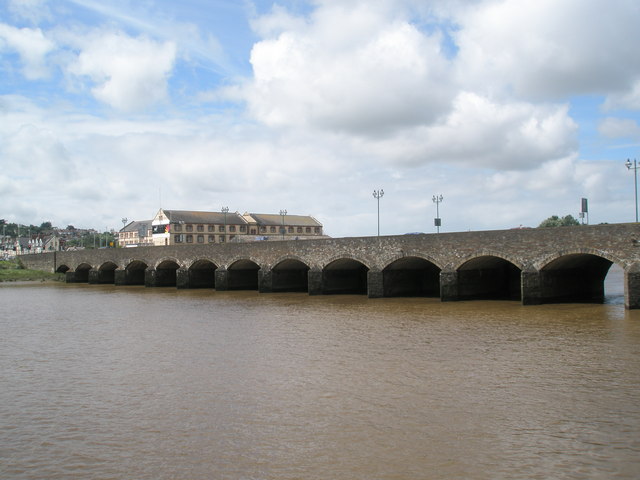
The River Taw is one of the principal rivers of north Devon. It rises on the high moorland of Dartmoor and flows generally northwards to the Bristol Channel. Along its course the river passes through rural and urban landscapes, including the historic town of Barnstaple, and finishes in a broad, tidal estuary that meets the sea at Bideford Bay.
Image gallery
10 Images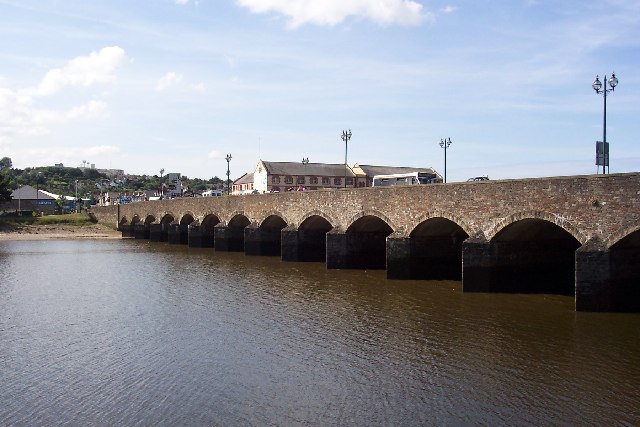


Course and physical features
The river's headwaters originate at Taw Head on the northern slopes of Dartmoor. From there the channel collects runoff from moorland streams and flows across the agricultural lowlands of Devon. In its lower reaches the Taw becomes tidal and widens into a complex estuarine system characterized by winding channels and intertidal flats. This estuary is notable for its wide, looping bends and is joined by the estuarial system of the nearby Torridge.
Settlements, tributaries and land use
Communities along the river range from small villages to market towns. The most significant urban centre on the Taw is Barnstaple, historically an important port and market town. Rural land along much of the valley is used for pasture and arable farming, while estuarine areas support shellfisheries and some recreational boating.
- Major tributaries and feeder streams include numerous moorland burns and lowland rills that sustain the river through wet seasons.
- The river's lower reaches display extensive meanders and tidal creeks that form part of the broader estuary.
History and human use
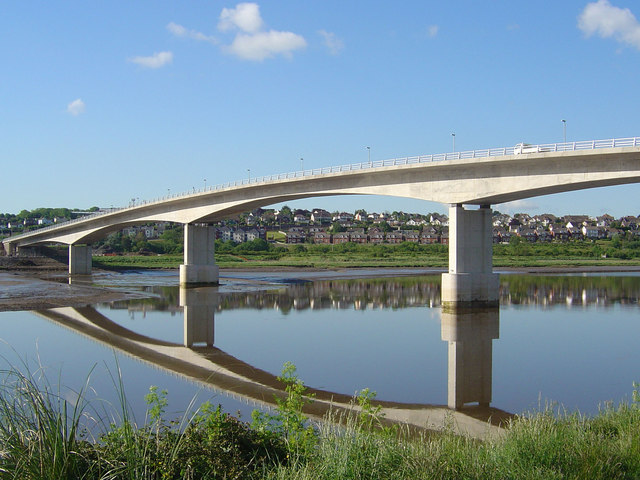
Historically the Taw enabled local trade and fishing, with Barnstaple serving as a regional port. Over centuries the river corridor has supported agriculture, milling and small-scale navigation. More recently the estuary has been used for leisure boating, birdwatching and estuarine fisheries. Floodplain management and river engineering have shaped parts of the lower valley to protect settlements and farmland from tidal and fluvial flooding.
Ecology and conservation
The Taw estuary provides a mosaic of habitats including mudflats, salt marsh and brackish channels that attract wading birds, waterfowl and estuarine fish species. These habitats are important for overwintering and migrating birds and support invertebrate communities that underpin local fisheries. Conservation interest is focused on maintaining water quality, protecting intertidal habitat and balancing human use with wildlife needs.
Notable facts and distinctions
Unlike many straightened lowland rivers, the lower Taw retains pronounced tidal curves and multiple channels that reveal a dynamic estuarine environment. Its outlet opens into Bideford Bay and the wider Bristol Channel, and the combined estuarine area with the Torridge forms one of the key coastal features of northern Devon. For further local information and maps see regional resources and visitor sites linked through local authorities and conservation organizations.
Related articles
Author
AlegsaOnline.com River Taw Leandro Alegsa
URL: https://en.alegsaonline.com/art/83129