
Riding helmet
Protective helmet for people who ride horses: design, types, fit and maintenance, safety standards, history, and practical guidance for reducing head injury risk.
Overview
A riding helmet is a protective headpiece made specifically for people who ride horses. Its primary purpose is to reduce the risk of serious injury when a rider falls, is struck by a moving horse, or sustains an impact to the head. Unlike a casual hat, a certified riding helmet combines a hard outer shell, an energy-absorbing liner, and a harness to keep the shell in position during an accident.
Image gallery
7 Images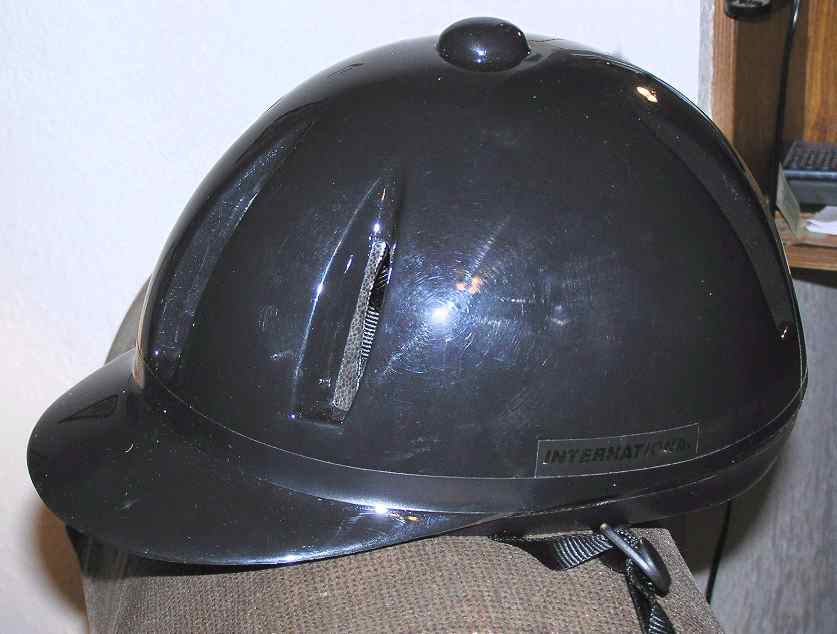




Design and main components
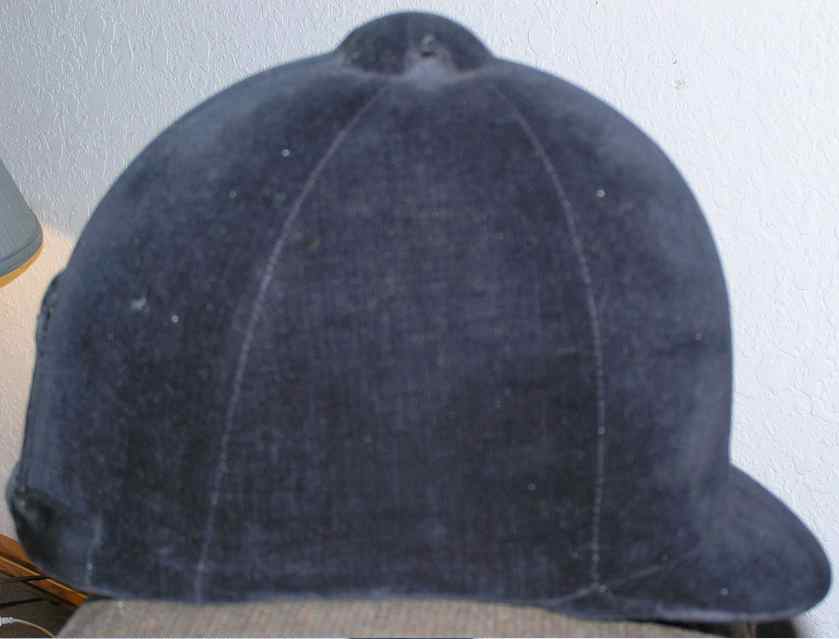
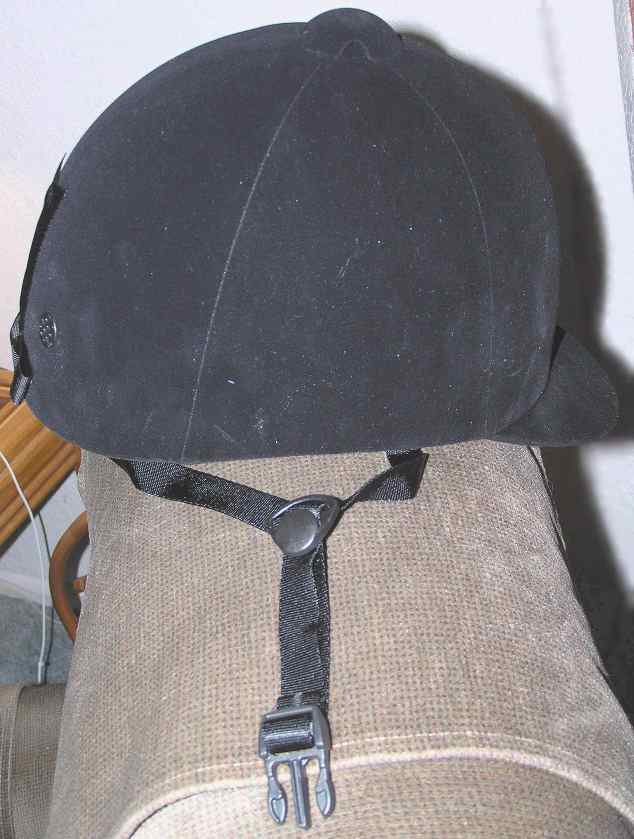
Typical parts of a riding helmet include a rigid shell (often thermoplastic or composite), a compressible inner liner that absorbs impact energy, an adjustable retention system or harness, and ventilation channels for comfort. Some modern helmets incorporate rotational-impact-reduction technologies and replaceable liners. Brim styles vary between English and Western designs, but safety features and certification are the deciding factors.
Standards, certification and use
Helmets intended for equestrian use are tested and certified by national or international bodies; recognized standards exist to ensure that a helmet performs reliably in impact situations. Competitive organizations, riding schools and many jurisdictions require certified helmets for children and for certain classes of competition. While a helmet cannot eliminate all risk, wearing a certified helmet substantially lowers the likelihood and severity of head injury.
Fitting, care and replacement
A correct fit is essential: the helmet should sit level on the head, feel snug without pressure points, and be secured by the chinstrap so it cannot be easily shifted. Riders often use the "two-finger" rule to check chinstrap fit or follow manufacturer fitting guides. Helmets should be inspected regularly for cracks or worn straps, kept away from prolonged heat or chemicals, and replaced according to the manufacturer's recommendations or after any significant impact. Many experts advise replacing helmets every few years depending on wear and technology changes.
Types, disciplines and practical notes
- English-style: common in show jumping, dressage and eventing; typically lower-profile with more ventilation.
- Western-style: often resembles a cowboy hat shape but may include certified safety features.
- Specialized helmets: used for racing, polo or carriage driving and may meet discipline-specific requirements.
Wearing a helmet is widely recommended for all riders, regardless of experience. Schools, competitions and many insurance policies favor or require certified helmets to reduce risk. For further practical guidance on selection and certification, consult manufacturers and recognized safety authorities for your country or discipline.
Related articles
Author
AlegsaOnline.com Riding helmet Leandro Alegsa
URL: https://en.alegsaonline.com/art/82836