
Road Bicycle Racing: Overview, Formats, History and Major Events
Road bicycle racing is competitive cycling on paved roads. This article covers formats, equipment, history, major races, national traditions, tactics, governance and further resources.
Road bicycle racing is a form of competitive cycling conducted on paved roads. Riders or teams follow a set route and the first rider to cross the finish line, or the rider with the lowest aggregate time in stage events, is declared the winner. The discipline combines endurance, tactical awareness, bicycle handling and teamwork. For an introduction to rules and governance see general road cycling resources.
Image gallery
10 Images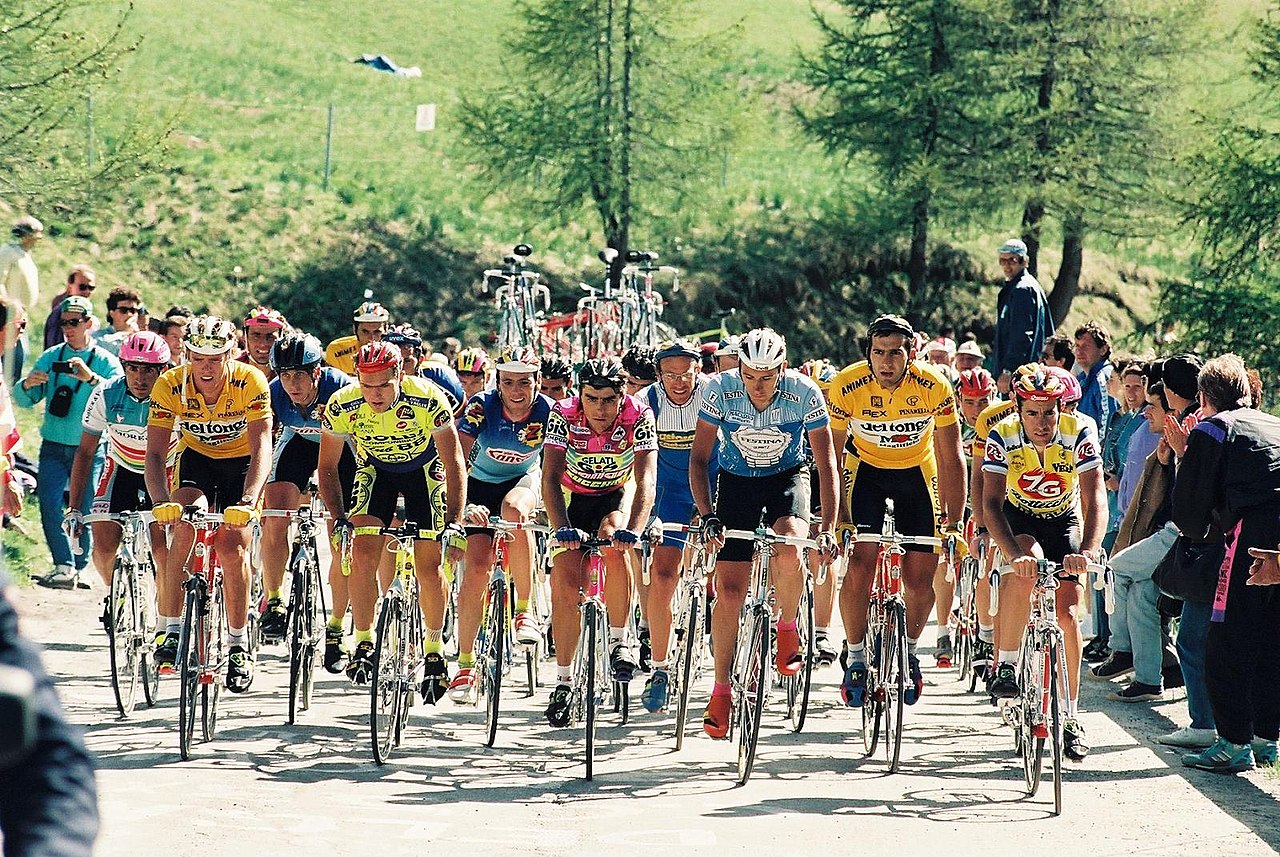



Formats and equipment
Races take several forms. Single-day races (from short circuits to long one-day classics) test tactics and immediate performance. Multi-day stage races reward consistency across varied terrain and include individual stage wins and an overall classification based on cumulative time. Time trials, both individual and team, pit riders against the clock, while criteriums are short, fast races on closed circuits with many corners. Equipment is optimized for low weight, stiffness and aerodynamics: lightweight frames, narrow high-pressure tyres, drop handlebars and clipless pedals are typical. Teams use radios, team cars and soigneurs to support riders during events.
History and development
Organized road racing developed in the late 19th century as bicycle technology and public roads improved. Early competitions date from the 1860s and 1870s; the first UCI Road World Championships were held in the 1890s, and cycling has been part of the modern Olympic Games since 1896 (Olympic cycling). Over the twentieth century professional teams, national federations and commercial sponsorship shaped calendars, while improvements in training, nutrition and equipment steadily raised performance standards.
Major races and traditions
Some events are historic and hold particular prestige. The grand tours—Tour de France, Giro d'Italia and other long stage races—are multi-week spectacles attracting the sport's top riders and extensive media coverage. Monument one-day classics prized by riders include Liège–Bastogne–Liège, Paris–Roubaix, Tour of Flanders, Milan–San Remo and long autumn races such as Il Lombardia. Winning these events is a major career achievement because of their history, demanding courses and tactical complexity.
Countries with strong traditions
Road racing has deep roots in several European countries and has become global. Nations with long traditions include Belgium, France, Italy, the Netherlands, Germany, Spain and Switzerland. Other countries that have produced top riders and professional teams in recent decades include Colombia, Denmark, Luxembourg, Portugal, Kazakhstan, Australia, Venezuela, Russia, Slovakia, South Africa, New Zealand, Norway, the United Kingdom, Ireland, Poland and the United States. Local terrain, grassroots development and national competitions shape rider types and fan cultures.
Tactics, classifications and team roles
Tactically, road racing balances individual ability and coordinated team effort. Common race situations include breakaways, chasing groups, sprint finishes and climbing selections. Teams nominate leaders for general classification or specific stages, supported by domestiques (team support riders), lead-out trains for sprinters, and climbers for mountain stages. Races also award distinct classifications—for example the general classification (overall time), points classification (sprinters), mountains classification (best climber) and young rider awards—each influencing how a team approaches a stage or an entire race.
Governance, safety and modern issues
Governing bodies and national federations set rules on equipment, race conduct and anti-doping controls. The sport has faced and continues to address challenges including doping, rider safety on open roads, and the environmental and logistical impact of large events. Organisers, teams and federations work on measures such as improved marshaling, safer course design and stricter medical protocols. Media coverage, sponsorship and broadcasting have professionalised the sport but also increased scrutiny and commercial pressures.
Women, development and grassroots racing
Women's road racing has grown substantially with more professional teams, dedicated events and greater media coverage. Grassroots and amateur racing programs, junior development squads and community clubs remain essential for talent development. Adaptive and para-cycling disciplines also provide competitive pathways for athletes with disabilities, supported by national federations and international events.
Further reading and resources
- Governing and rules overview: road cycling governance
- Belgian classics and history: Belgium and classics
- South American cycling development: Colombian cycling
- Scandinavian contributions: Denmark in cycling
- French races and organisation: France and racing
- German cycling structure: Germany
- Italian grand tours and classics: Italy
- Small nations with big impact: Luxembourg
- Dutch racing culture: Netherlands
- Iberian races and riders: Portugal and Spain
- Swiss racing and terrain: Switzerland
- Asian and emerging teams: Kazakhstan
- Oceania and Australia: Australia
- Venezuelan and South American presence: Venezuela
- Eastern Europe and Russia: Russia
- Central European nations: Slovakia
- Africa and South Africa: South Africa
- New Zealand pathways: New Zealand
- Nordic nations and Norway: Norway
- United Kingdom and its events: United Kingdom
- Ireland and its racing scene: Ireland
- Poland's development programs: Poland
- United States racing and calendars: United States
- Olympic cycling history: Olympic Games
- Liège–Bastogne–Liège: classic race
- Paris–Roubaix: the cobbled classic
- Tour de France: grand tour
- Giro d'Italia: grand tour
- Tour of Flanders: monument classic
Questions and answers
Q: What is road bicycle racing?
A: Road bicycle racing is a sport where people race on bicycles along paved roads. The winner is the first to the finish line at the end of the route.
Q: Where is road bicycle racing popular?
A: Road bicycle racing is popular in Belgium, Colombia, Denmark, France, Germany, Italy, Luxembourg, the Netherlands, Portugal, Spain and Switzerland. More recently countries such as Kazakhstan, Australia, Venezuela, Russia Slovakia South Africa New Zealand Norway the United Kingdom Ireland Poland and the United States have also become very good at it.
Q: When did road bicycle racing begin as a sport?
A: Road bicycle racing began as a sport in 1868.
Q: When was the first world championship for road bicycle racing held?
A: The first world championship was held in 1893.
Q: How long has cycling been part of Olympic Games?
A: Cycling has been part of Olympic Games since 1896.
Q: In which countries were some of the earliest races held?
A: Some of the earliest races were held in France Spain Belgium and Italy.
Q:Which are some of most famous historic races that remain today?
A:Some of most famous historic races that remain today are Liège–Bastogne–Liège (started in 1892), Paris-Roubaix (1896), Tour de France (1903), Milan – San Remo and Giro di Lombardia (1905), Giro d'Italia (1909) and Tour of Flanders (1913).
Related articles
Author
AlegsaOnline.com Road Bicycle Racing: Overview, Formats, History and Major Events Leandro Alegsa
URL: https://en.alegsaonline.com/art/83207
Sources
- cyclingranking.com : "cycling ranking"
- sbs.com.au : sbs.com.au
- velonews.competitor.com : "Directors: UCI out of tune on race-radio ban"