
Rink: Ice, roller and sport surfaces
A rink is a prepared surface for skating or related sports. This article explains types (ice rinks, roller rinks, curling sheets, bandy fields), construction, maintenance, historical development and common uses.
Overview
A rink is a deliberately prepared surface used for skating, sliding or ball-and-stick winter sports. The term commonly refers to indoor or outdoor facilities where the surface, boundaries and safety features are arranged to support activities such as ice hockey, figure skating, speed skating, curling, roller skating and bandy. A single venue may host several disciplines by changing markings or equipment.
Image gallery
10 Images





Types and characteristics
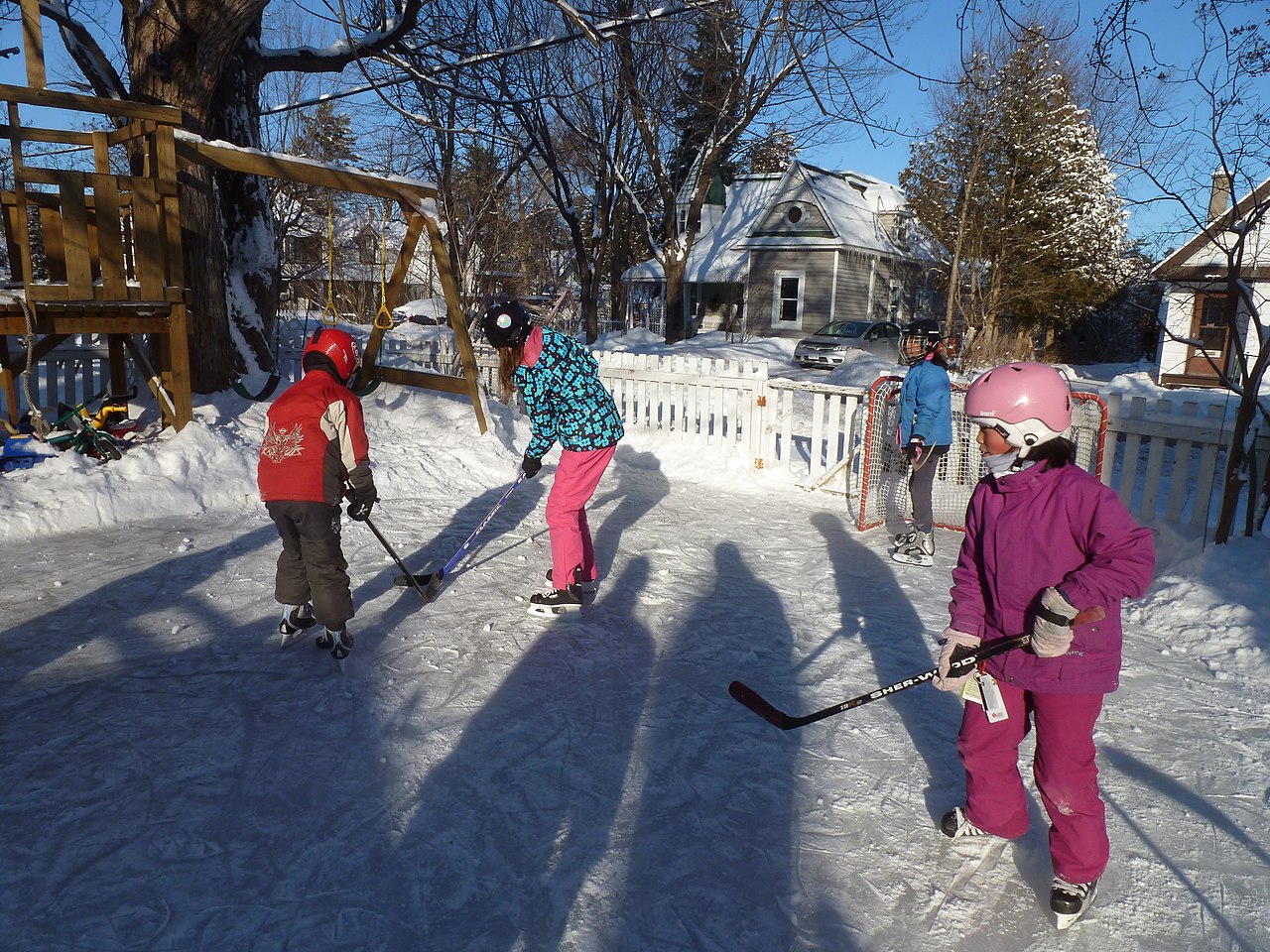
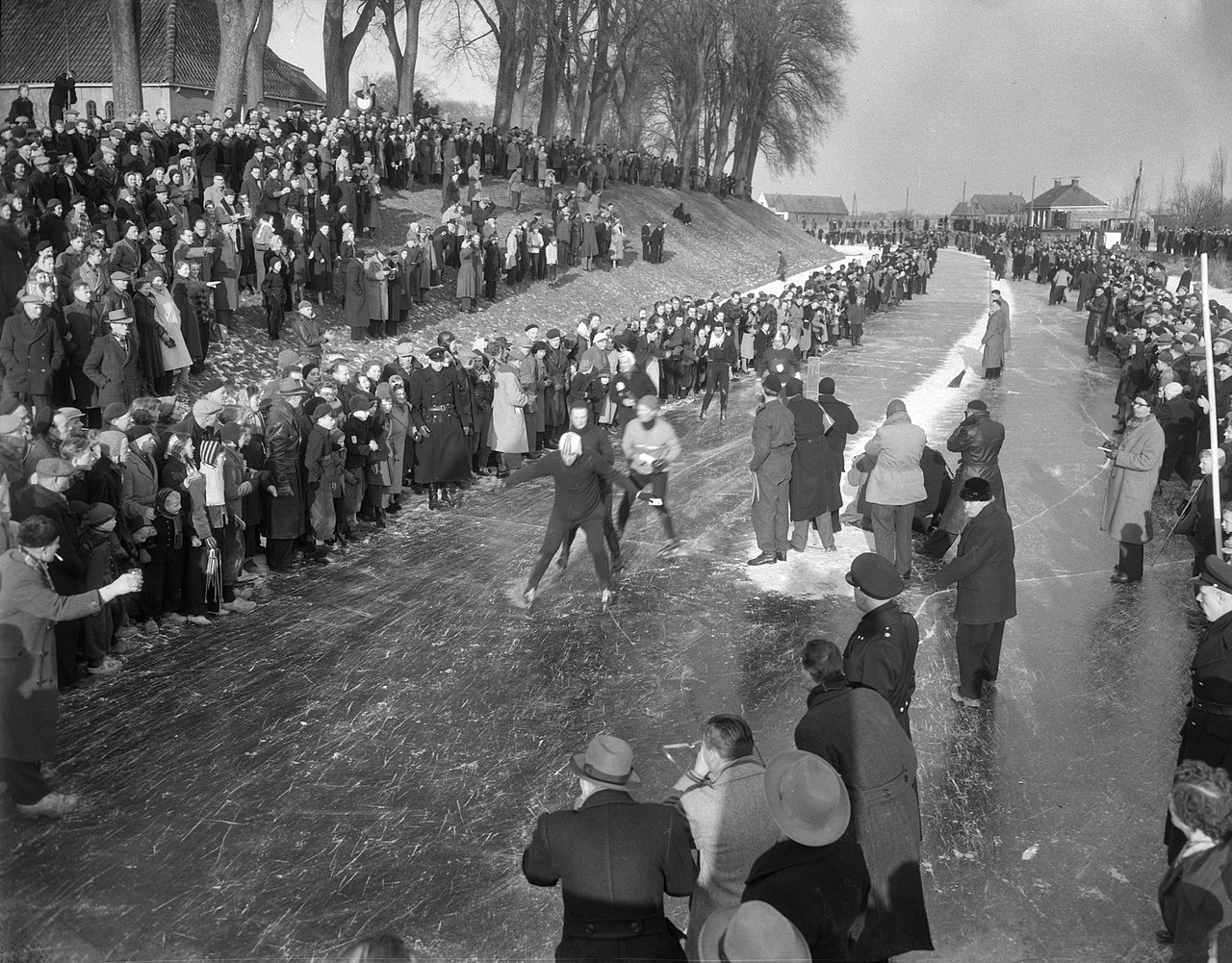
- Ice rinks: created by freezing a sheet of water over a prepared base; they may be natural (ponds) or artificial (refrigerated slabs). Ice rinks vary in shape and marking depending on the sport.
- Roller rinks: smooth indoor floors made of wood, concrete or specialized synthetic material used for recreational skating, artistic roller skating and roller derby.
- Curling sheets: long, narrow rectangles of ice with carefully pebbled surfaces and painted target circles; curling uses different ice preparation and stone-run properties than other ice sports.
- Bandy fields and speed‑skating ovals: larger ice surfaces — bandy resembles a soccer field on ice; long-track speed skating uses large ovals.
History and development
People have skated on frozen lakes and rivers for centuries. Mechanically frozen indoor rinks and refrigeration technology emerged in the late 19th and early 20th centuries, enabling year-round ice. Over time rink design evolved to include dasher boards, spectator seating, lighting and climate control to support organized sport and entertainment.
Uses and importance
Rinks serve recreational, competitive and training purposes. They host team sports (ice hockey, bandy), individual sports (figure skating, speed skating), precision sports (curling) and community recreation. Many cities use multipurpose rinks to offer public skating, lessons and special events.
Design, maintenance and safety
Modern rinks rely on a flat base, pipes for refrigeration beneath the surface (for artificial ice), painted markings and barriers such as dasher boards and glass. Ice maintenance includes resurfacing machines, temperature control and ice leveling; roller rinks require regular floor cleaning and refinishing. Safety features and proper supervision are essential to reduce injuries.
Notable distinctions
The word "rink" can denote the skating surface, the surrounding arena, or the competitive area for a specific sport (for example, curling calls its playing surface a "sheet"). Sizes, markings and preparation methods differ widely by sport and by regional standards.
Related articles
Author
AlegsaOnline.com Rink: Ice, roller and sport surfaces Leandro Alegsa
URL: https://en.alegsaonline.com/art/82985