
Richard Sui On Chang (1941–2017), Bishop of the Episcopal Diocese of Hawaii
Richard Sui On Chang served as bishop of the Episcopal Diocese of Hawaii from 1997 to 2006. Ordained in 1966, he led the diocese and died in Honolulu in 2017 at age 75.
Overview
Richard Sui On Chang (November 30, 1941 – August 30, 2017) was an American Episcopal bishop who led the Episcopal Diocese of Hawaii between 1997 and 2006. His ministry spanned more than four decades and included parish work, clerical leadership, and episcopal oversight within the Episcopal Church in the United States.
Image gallery
1 Image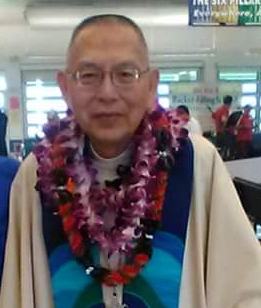
Early ministry and ordination
Chang was ordained to the diaconate on March 5, 1966, and to the priesthood on September 4, 1966. These ordinations marked the beginning of his formal ministry in the Episcopal Church, after which he served in parish and diocesan roles that prepared him for eventual election to the episcopate.
Consecration and tenure as bishop
He was consecrated Bishop of Hawaii on March 30, 1997. As diocesan bishop from 1997 until his retirement in 2006, Chang carried responsibility for spiritual leadership, administrative oversight, and representing the diocese within the wider church. His tenure followed the distinctive pastoral and cultural setting of the Hawaiian islands, where the diocese adapts Episcopal traditions to a diverse, multiethnic community.
Roles and responsibilities
- Providing pastoral care and guidance to clergy and lay leaders.
- Ordaining deacons and priests and confirming lay members.
- Overseeing diocesan governance, budgets, and programs.
- Representing the diocese at provincial and national church gatherings.
Death and legacy
Richard S. O. Chang died in Honolulu on August 30, 2017, at the age of 75. Reports cited pneumonia as the cause of his death; his passing was noted by diocesan communities and former colleagues. For further contemporary accounts and diocesan notices see the official diocesan statements and news releases (diocesan notice, news report).
Significance
Chang's episcopate is part of the broader history of the Episcopal Church's presence in the Pacific. Bishops of the Diocese of Hawaii are charged with balancing liturgical tradition and local cultural expressions, and Chang's leadership contributed to that ongoing work during the late 20th and early 21st centuries. His career illustrates the typical path from parish ministry through diocesan leadership that many Episcopal bishops follow.
Related articles
Author
AlegsaOnline.com Richard Sui On Chang (1941–2017), Bishop of the Episcopal Diocese of Hawaii Leandro Alegsa
URL: https://en.alegsaonline.com/art/82727
Sources
- episcopaldigitalnetwork.com : RIP: Richard Sui On Chang, fourth bishop of Hawaii