
Richard Winters (1918–2011) — Leader of Easy Company, 506th PIR
Richard Winters was a U.S. Army officer who led men of Easy Company, 506th Parachute Infantry, in major WWII actions. His wartime record inspired the book and HBO series Band of Brothers.
Overview
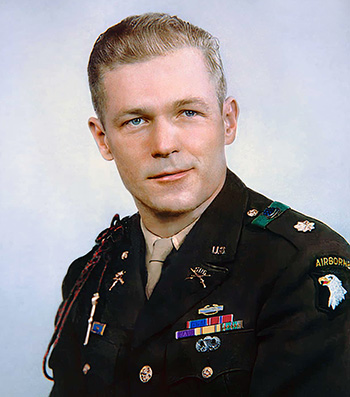
Richard Winters (21 January 1918 – 2 January 2011) was an American Army officer best known for his leadership of Easy Company, 2nd Battalion, 506th Parachute Infantry Regiment, 101st Airborne Division during World War II. His experiences were documented in Stephen Ambrose's book and later reached a wide audience through the HBO miniseries Band of Brothers.
Image gallery
4 Images

Military career and combat service
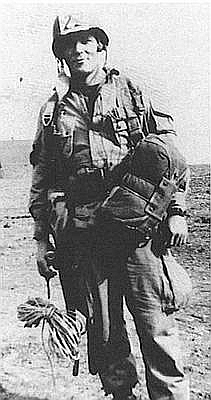
Winters enlisted in the paratroops and was commissioned as an officer, serving as a platoon and company leader in the 101st Airborne. He landed in Normandy on D-Day and assumed command of his company after the loss of the commanding officer. Over the next months Easy Company fought in several major campaigns across Northwest Europe, including the fighting around the Netherlands and the siege of Bastogne during the Battle of the Bulge. In the closing weeks of the war Winters and his men advanced into southern Germany and were involved in operations around the alpine areas associated with Bavaria, including the town and mountain retreat near Berchtesgaden, which had been associated with Adolf Hitler and other Nazi leaders.
Leadership and recognition
Winters was widely respected by those who served under him for his calm judgment, tactical skill and concern for his troops. For actions in combat he received several decorations, among them the Distinguished Service Cross, the Bronze Star and the Purple Heart. He kept detailed after-action notes and unit histories that later helped historians and veterans record Easy Company's wartime experience.
After the war
After leaving active service, Winters returned to civilian life and worked in industry before buying farmland. He spent some time employed in a plaster mill in New Jersey and later purchased and operated a farm and feed business in Pennsylvania, where he raised livestock and managed agricultural interests. Throughout his postwar life he preferred privacy but remained in touch with fellow veterans and participated in occasional reunions and commemorations. New Jersey and Pennsylvania figure in his postwar biography.
Band of Brothers and legacy
In 1990 Winters provided interviews and records that contributed to Stephen Ambrose's account of Easy Company; Ambrose's book adopted its title from a phrase in Shakespeare's play Henry V. The title Band of Brothers echoes that literary source and has been used to describe the unit's close bonds and shared experiences. The television adaptation brought Winters's story to a new generation and solidified his public reputation as a model of small-unit leadership. Ambrose's research and later media portrayals helped ensure that the unit's record would be preserved and studied by historians, veterans and the public.
Notable facts
- Served with Easy Company, 506th Parachute Infantry Regiment, 101st Airborne Division (unit reference).
- Assumed company command on D‑Day and led through multiple campaigns including the Ardennes and final push into Germany.
- Decorations include the Distinguished Service Cross, Bronze Star and Purple Heart.
- Interviewed by Stephen Ambrose; the unit's story popularized as Band of Brothers, a title derived from Shakespeare.
For additional summaries and archival materials, readers may consult unit histories and collections that assemble firsthand accounts and official records of Easy Company's wartime service. The story of Richard Winters remains a frequently cited example of leadership under fire and the experiences of American airborne troops in the European Theater of World War II.
Related articles
Author
AlegsaOnline.com Richard Winters (1918–2011) — Leader of Easy Company, 506th PIR Leandro Alegsa
URL: https://en.alegsaonline.com/art/82735
Sources
- nytimes.com : "Richard Winters, 92, Leader of ' Band of Brothers' in War"
- worldcat.org : 0362-4331