
Richard Trevithick: Pioneer of High‑Pressure Steam and Early Locomotives
Cornish engineer Richard Trevithick (1771–1833) developed high‑pressure steam engines and built early steam road and rail locomotives, influencing later railway technology and mining machinery.
Overview
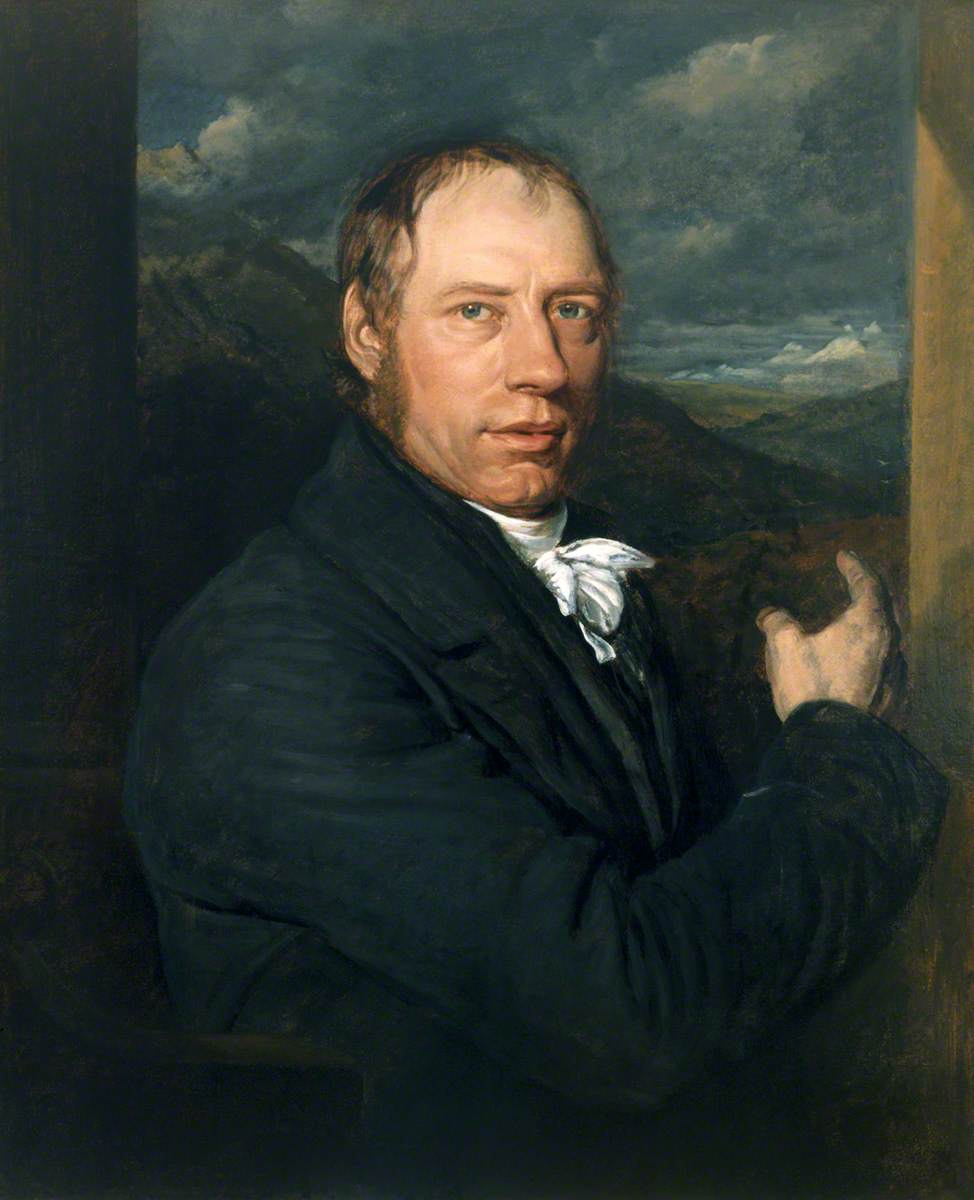
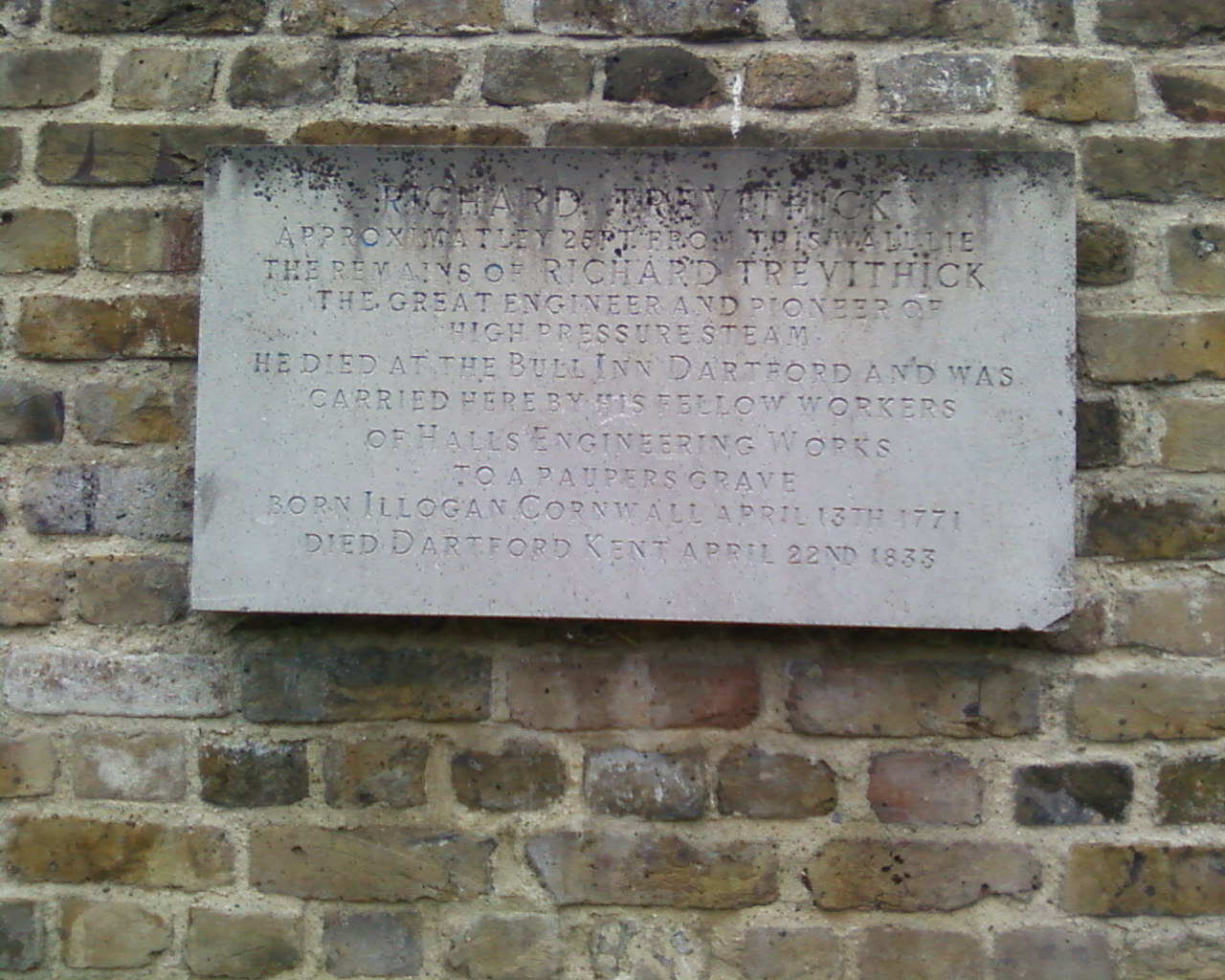
13 April 1771–22 April 1833: Richard Trevithick was a Cornish inventor and engineer whose experiments with high‑pressure steam helped move steam power from large stationary engines toward compact, mobile machines. He is widely credited with building one of the first full‑scale working steam locomotives, and his work influenced later developments in rail transport and mining equipment. Trevithick died of pneumonia after a life of repeated technical successes and financial difficulty.
Image gallery
10 Images





Technical innovations
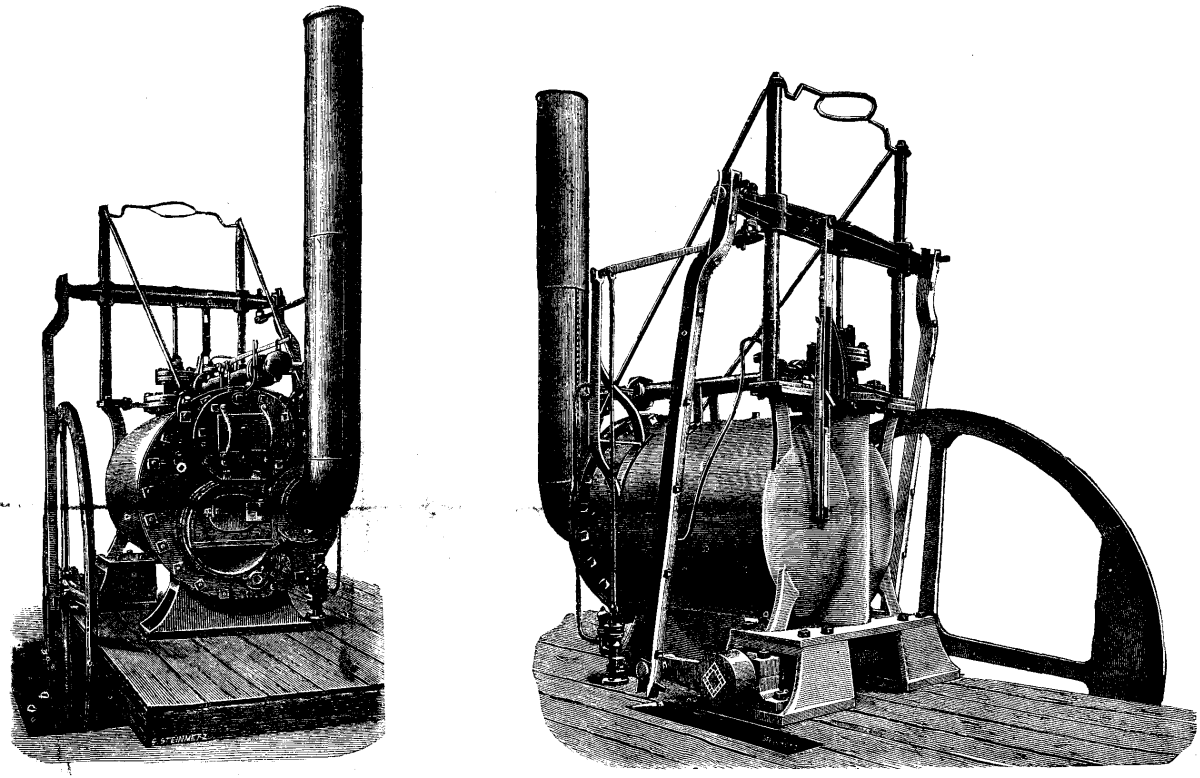
Trevithick championed the use of high‑pressure steam in place of the low‑pressure condensing engines then common in mines. High‑pressure designs allowed smaller cylinders and lighter engines that could deliver greater power for their size. He developed direct‑acting cylinders mounted on a single frame, improved pistons and valves, and applied compact boilers that made mobility practical. These changes were crucial to producing steam vehicles that could move under their own power rather than only operate fixed pumps or factory machinery.
Major projects and examples
During the early 1800s Trevithick built several pioneering machines that demonstrated the potential of mobile steam power. Notable examples include:
- Puffing road engines: small steam carriages built to run on public roads and private works, showing that steam vehicles could be used beyond mines.
- Penydarren locomotive (1804): a roadway locomotive that hauled loads on a tramroad in South Wales and is often cited as the first locomotive to pull a substantial load on rails at speed.
- Stationary high‑pressure engines: compact pumps and machinery adopted in mines and foundries where space and weight mattered.
Career, challenges and later life
Born into a mining district, Trevithick learned practical metalworking and engineering from an early age. He repeatedly moved between experimental work and commercial projects, but his inventions did not always bring steady income. He undertook engineering work in England and abroad, including mining projects, and faced legal and financial setbacks common to early industrial inventors. In later years he traveled and worked overseas; despite technical acclaim, he struggled economically and died away from the public recognition later bestowed upon him.
Legacy and distinctions
Trevithick is remembered as a practical innovator who helped bridge experimental steam engines and the machines that powered the Industrial Revolution. While others refined rail systems and turned locomotive production into a large industry, Trevithick's high‑pressure approach and early locomotives demonstrated what was possible. Museums, plaques and preserved artifacts commemorate his life and inventions, and historians regard him as a foundational figure in the history of steam locomotion.
Further notes
For concise lists of his machines, surviving examples and sites associated with his work, consult specialized histories of early steam power and industrial archaeology. Trevithick's story illustrates the combination of technical creativity and the uncertain business climate faced by inventors during the first decades of the Industrial Revolution.
Related articles
Author
AlegsaOnline.com Richard Trevithick: Pioneer of High‑Pressure Steam and Early Locomotives Leandro Alegsa
URL: https://en.alegsaonline.com/art/82731