
Richard Hakluyt: compiler and promoter of English voyages and colonization
English geographer and writer (c.1552–1616) who compiled travel accounts, promoted English colonization of North America, and preserved many early voyage narratives in his major compilations.
Overview
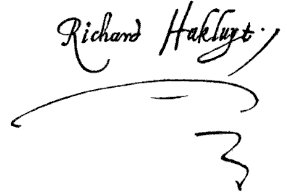
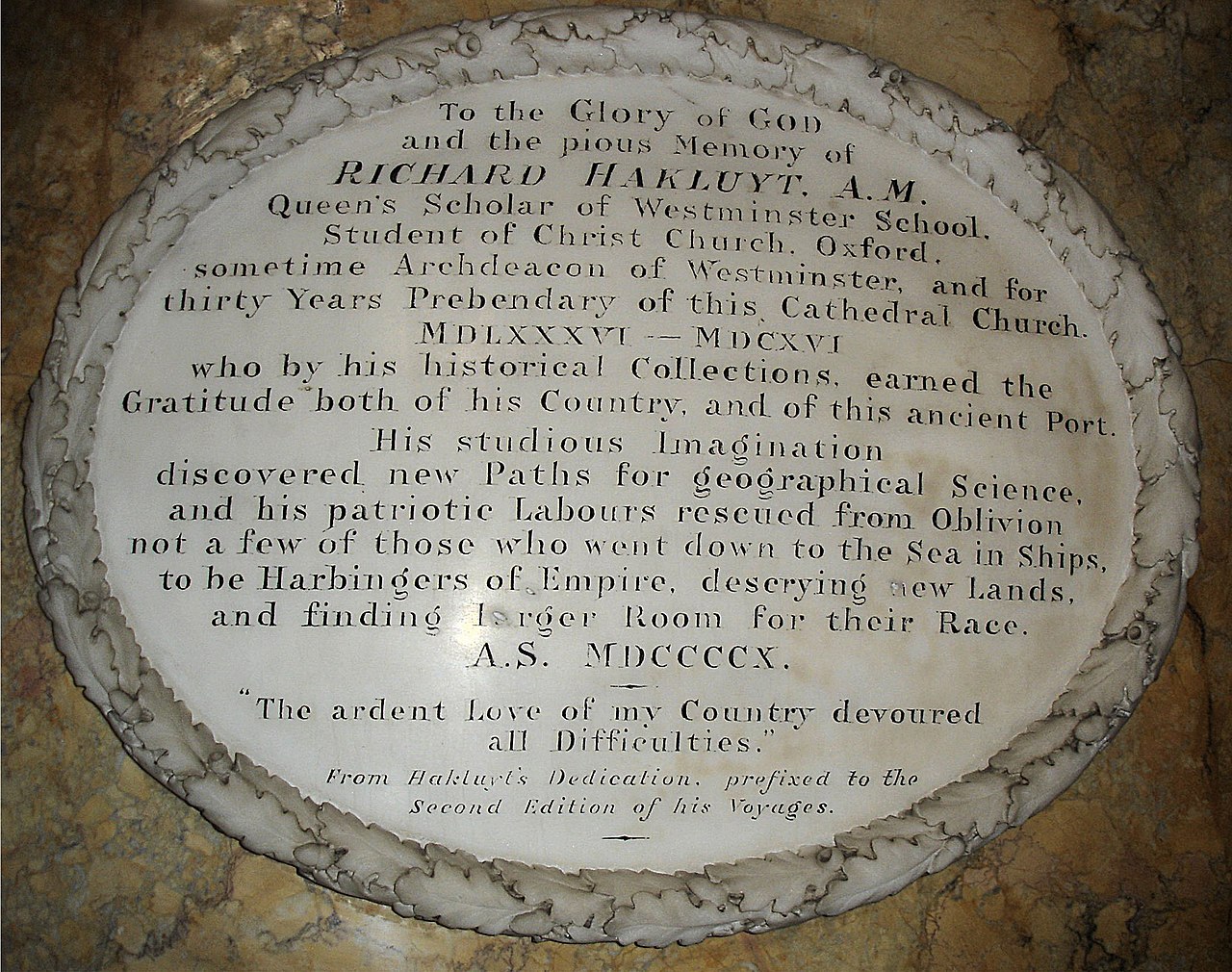
Richard Hakluyt (c.1552/1553–23 November 1616) was an English writer, compiler and advocate for overseas expansion. He is best known for assembling and publishing collections of travel narratives and official reports that documented voyages of discovery, trade and settlement. Although not an explorer himself, Hakluyt shaped public understanding of maritime enterprise and argued for English involvement in colonizing regions such as North America and extending the influence of the English overseas.
Image gallery
10 Images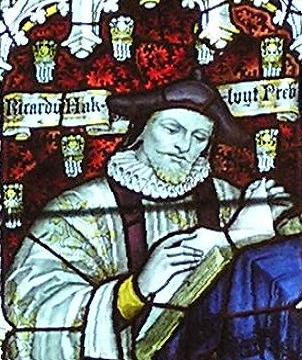




Major works
Hakluyt produced and edited several important volumes that became standard references for contemporaries and later historians. The most cited include:
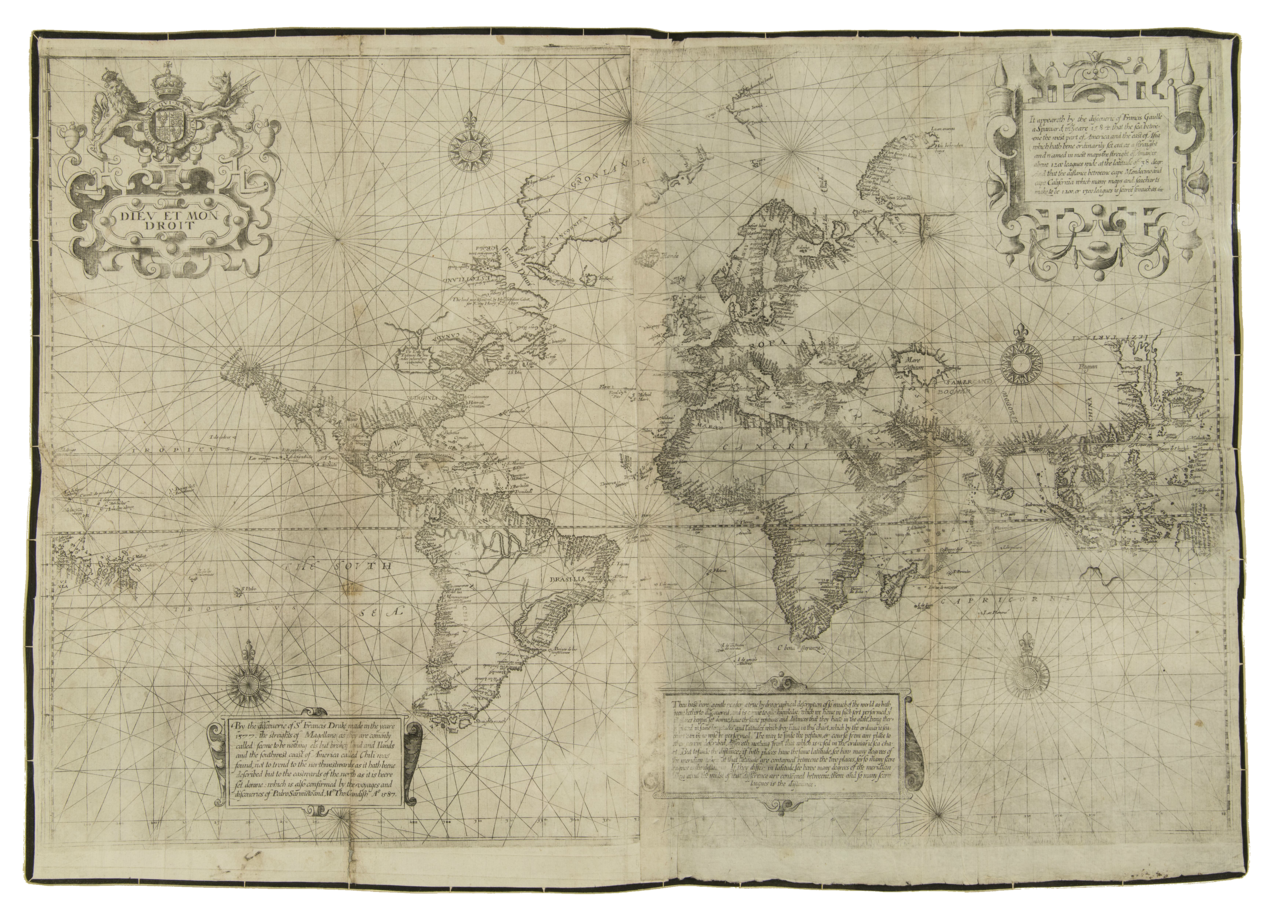
- Divers Voyages Touching the Discoverie of America (1582) — an early collection of accounts and source material relating to voyages to the New World.
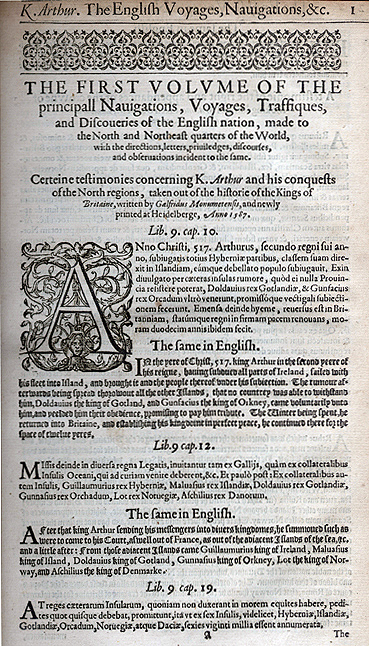
- The Principal Navigations, Voiages, Traffiques and Discoueries of the English Nation (expanded edition, 1598–1600) — a multi-volume compilation drawing together earlier and contemporary narratives of English maritime activity.
Methods, sources and editorial approach
Hakluyt worked as an editor, translator and collector. He gathered letters, ship logs, eyewitness reports, official papers and printed accounts, often adding introductions, summaries and contextual notes. His editorial aim was practical as well as documentary: to make the evidence of exploration available to merchants, politicians and investors and to build an intellectual case for colonization, trade and naval policy. Many of the primary materials he published have not survived elsewhere, so his volumes preserve otherwise lost texts.
Role, influence and historical importance
Hakluyt promoted colonization on economic, strategic and religious grounds. He presented voyages as opportunities for commerce, sources of naval strength, and venues for Protestant settlement in competition with other European powers. His compilations influenced public opinion, helped inform policy debates in Elizabethan and early Stuart England, and provided practical information used by traders and companies involved in overseas ventures. Historians regard him as a central figure in the dissemination of geographic knowledge and the growth of English maritime ambitions.
Notable facts and distinctions
While often called the historian of English exploration, Hakluyt was primarily an editor rather than a first‑hand traveler. His strength lay in selection, translation and arrangement of material, not in exploring itself. Later scholars prize his collections for preserving accounts of voyages by figures such as Cabot, Frobisher and Drake, and for documenting the early intellectual case for colonization. Hakluyt's work remains a key resource for researchers studying the Age of Discovery, the rise of English seaborne commerce, and the origins of English colonies.
Related articles
Author
AlegsaOnline.com Richard Hakluyt: compiler and promoter of English voyages and colonization Leandro Alegsa
URL: https://en.alegsaonline.com/art/82673
Sources
- books.guardian.co.uk : "Virgin territories (review of Peter C. Mancall's Hakluyt's Promise)"
- guardian.co.uk : "America's debt to a forgotten hero: As the 400th anniversary of Jamestown nears, its spiritual father is being unjustly ignored"
- observer.guardian.co.uk : "Your letters: Hakluyt has not been forgotten"