
Ribeirão Preto (São Paulo)
Ribeirão Preto is an inland Brazilian city in São Paulo state, noted for its role in agribusiness, medical education and cultural life; its name means “Black Creek.”
Ribeirão Preto is an important inland Brazilian city located in the interior of the state of São Paulo. Founded in the 19th century and growing rapidly through coffee cultivation, it developed into a regional hub for commerce, industry and services. The toponym literally means "Black Creek", a reference to a stream that crossed the original settlement.
Image gallery
10 Images

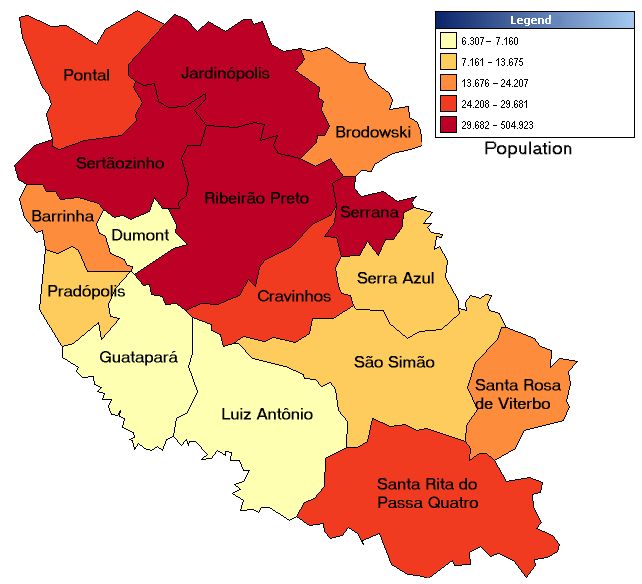


Overview and population
The municipality covers a substantial area and serves a large metropolitan catchment. Historical figures record the mid-2000s population at about 551,312 inhabitants, although more recent counts reflect continued growth. Ribeirão Preto functions as a service and logistics center for surrounding agricultural municipalities.
History and development
The city's rise is tied to the coffee boom of the late 19th and early 20th centuries, when plantations and rail connections attracted investment and migrants. Later diversification brought industry, food processing and, in the late 20th century, a shift toward modern agribusiness and the production of sugarcane ethanol.
Economy and institutions
Today the local economy blends agribusiness (notably sugarcane and related industries), manufacturing, commerce and health services. Ribeirão Preto hosts important educational and research institutions, with a well-known medical school and university campuses that contribute to clinical research and regional healthcare provision.
Culture, sport and climate
Cultural life includes theaters, music festivals and sports clubs that attract regional audiences. The city has several professional football teams and regular cultural events that reflect both its urban character and rural surroundings. Climate is typical of São Paulo's interior, with warm to hot summers and a drier season in winter, influencing agricultural cycles.
Notable facts and distinctions
- Historical base in coffee production led to early prosperity and urban growth.
- Contemporary importance in agribusiness chains, including biofuel supply and agro-industry.
- Significant medical and higher-education centers that serve the wider region.
- Acts as a transportation and commercial hub for the surrounding municipalities.
Ribeirão Preto combines historical legacy and modern economic roles, making it a key city in São Paulo's interior with influence in agriculture, health, education and culture.
Related articles
Author
AlegsaOnline.com Ribeirão Preto (São Paulo) Leandro Alegsa
URL: https://en.alegsaonline.com/art/82586