
Clwyd: preserved county in north‑east Wales
Clwyd is a preserved county in north-east Wales, created in 1974 and reorganised in 1996 into unitary authorities. It retains ceremonial functions and a distinct regional identity.
Overview
Clwyd is one of the preserved counties of Wales, located in the north‑eastern part of the country. The name comes from the River Clwyd, which flows through the area and historically gave the county its identity. Created as an administrative county in 1974, Clwyd was reorganised in 1996 and reclassified as a preserved county for certain ceremonial and geographic purposes. The region includes a mix of urban centres, agricultural lowlands and upland landscapes on its western fringe.
Image gallery
10 Images


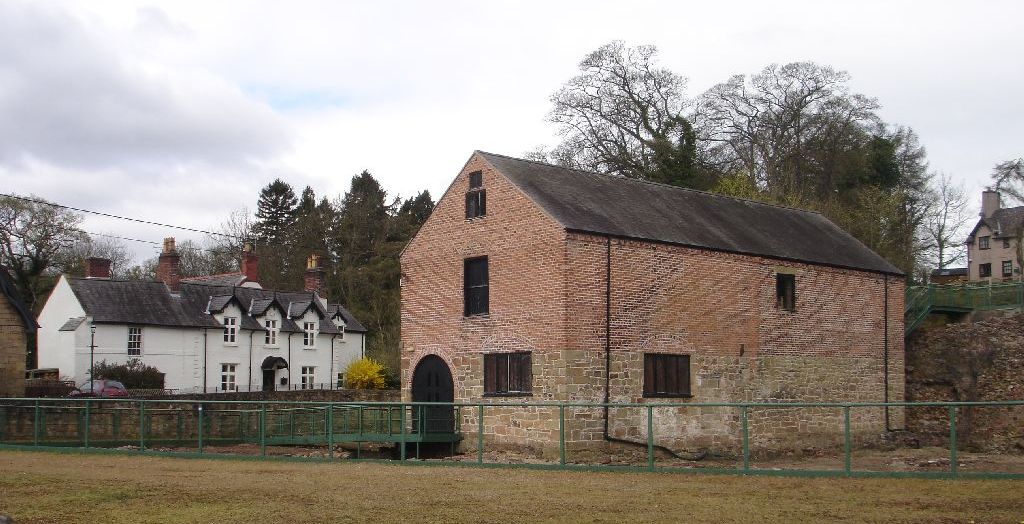

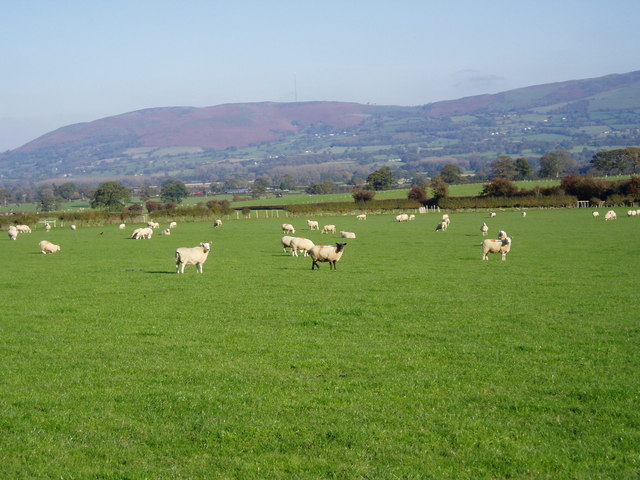


Geography and boundaries
Clwyd occupied a strategic position on the north coast of Wales. To the north it met the Irish Sea, while a maritime border across the River Dee lay adjacent to parts of England and the county of Merseyside. Its eastern and south‑eastern borders lay against English counties such as Cheshire and Shropshire. Inland boundaries met Welsh counties including Powys to the south and Gwynedd to the west. This location shaped Clwyd’s role as a corridor between the English border and the Welsh interior.
Administrative history
The county of Clwyd was formed in 1974 under a nationwide reorganisation of local government. It combined several historic districts and boroughs into a single administrative county. The 1990s brought further reform: in 1996 the two‑tier structure was replaced by unitary principal areas. The territory formerly governed as Clwyd was divided into new authorities; these changes are often discussed under the subject of unitary authorities in Wales.
Principal areas and towns
After the 1996 reorganisation, the area of Clwyd was split into principal areas that now administer local services. The principal successor authorities are commonly listed as:
- Wrexham County Borough
- Denbighshire
- Flintshire
- Conwy County Borough (commonly associated with the area)
Historically the county town was Mold, while the largest urban centre has been Wrexham, now a county borough in its own right.
Economy, culture and landscape
Clwyd encompasses coastal plains, river valleys and upland areas that influence its economy and culture. Agriculture remains important in the fertile lowlands, while towns such as Wrexham and Mold support manufacturing, retail and services. The coastline and historic towns attract tourism, and local identity is expressed through Welsh language, traditions and community institutions across the preserved county area.
Contemporary role and notable facts
Since 1996 Clwyd has continued to exist as a preserved county, used for ceremonial functions such as lieutenancy and for some statistical and planning purposes. Its borders and name remain in common use for regional description, local history and cultural reference. The area’s position bordering England has shaped cross‑border links with neighbouring English counties such as Cheshire and Shropshire, and maritime proximity to Merseyside and the Irish Sea influence transport and commerce.
For people researching administrative geography or local history, Clwyd illustrates how 20th‑century reforms reorganised traditional counties and how some names persist as preserved entities. Further reading on the region, its successor authorities and principal towns can be found through local government sources and regional overviews of Wales and the unitary authorities.
Related localities and references: Flintshire, Denbighshire, Wrexham, Mold, Powys, Gwynedd, and cross‑border neighbours in England.
Questions and answers
Q: What is Clwyd?
A: Clwyd is one of the eight preserved counties of Wales.
Q: When was Clwyd created?
A: Clwyd was created in 1974.
Q: What was Clwyd named after?
A: Clwyd was named after the River Clwyd which flowed through it.
Q: What happened to Clwyd in 1996?
A: Clwyd was abolished and four new unitary authorities were created.
Q: What were the four new unitary authorities created in 1996?
A: The four new unitary authorities created in 1996 were Wrexham County Borough, Conwy County Borough, Denbighshire, and Flintshire.
Q: What was Clwyd's county town?
A: Clwyd's county town was Mold.
Q: What was Clwyd's largest town?
A: Clwyd's largest town was Wrexham.
Author
AlegsaOnline.com Clwyd: preserved county in north‑east Wales Leandro Alegsa
URL: https://en.alegsaonline.com/art/136740