
Rhinoceros (genus)
Genus Rhinoceros comprises the two living one-horned Asian rhinoceroses: the Indian and the Javan rhino. This article covers their appearance, habitats, behavior, conservation and taxonomic context.
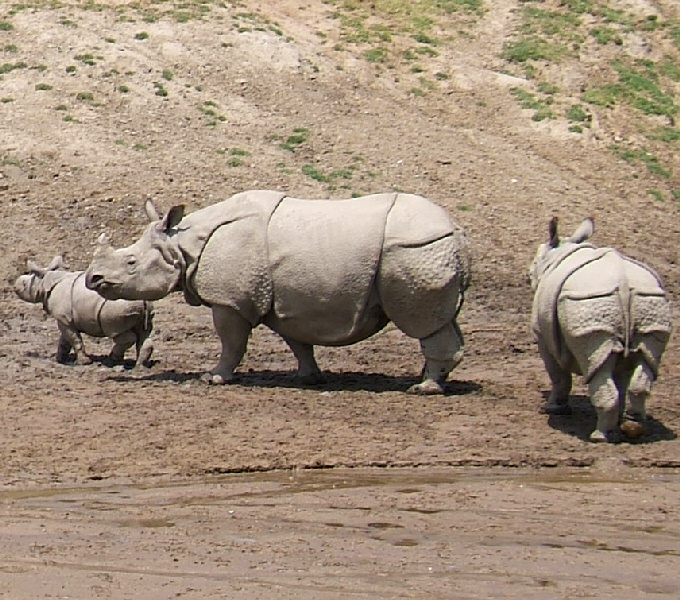
The genus Rhinoceros contains the two living one-horned Asian rhinoceroses, the Indian rhinoceros (Rhinoceros unicornis) and the Javan rhinoceros (Rhinoceros sondaicus). These mammals are commonly referred to as the one-horned rhinoceroses; the single horn is a compacted mass of keratin rather than bone. Both species are large, ground-dwelling herbivores with notable skin folds and a bulky build, and both are the focus of intensive conservation efforts. See also one-horned rhinoceroses.
Image gallery
10 Images




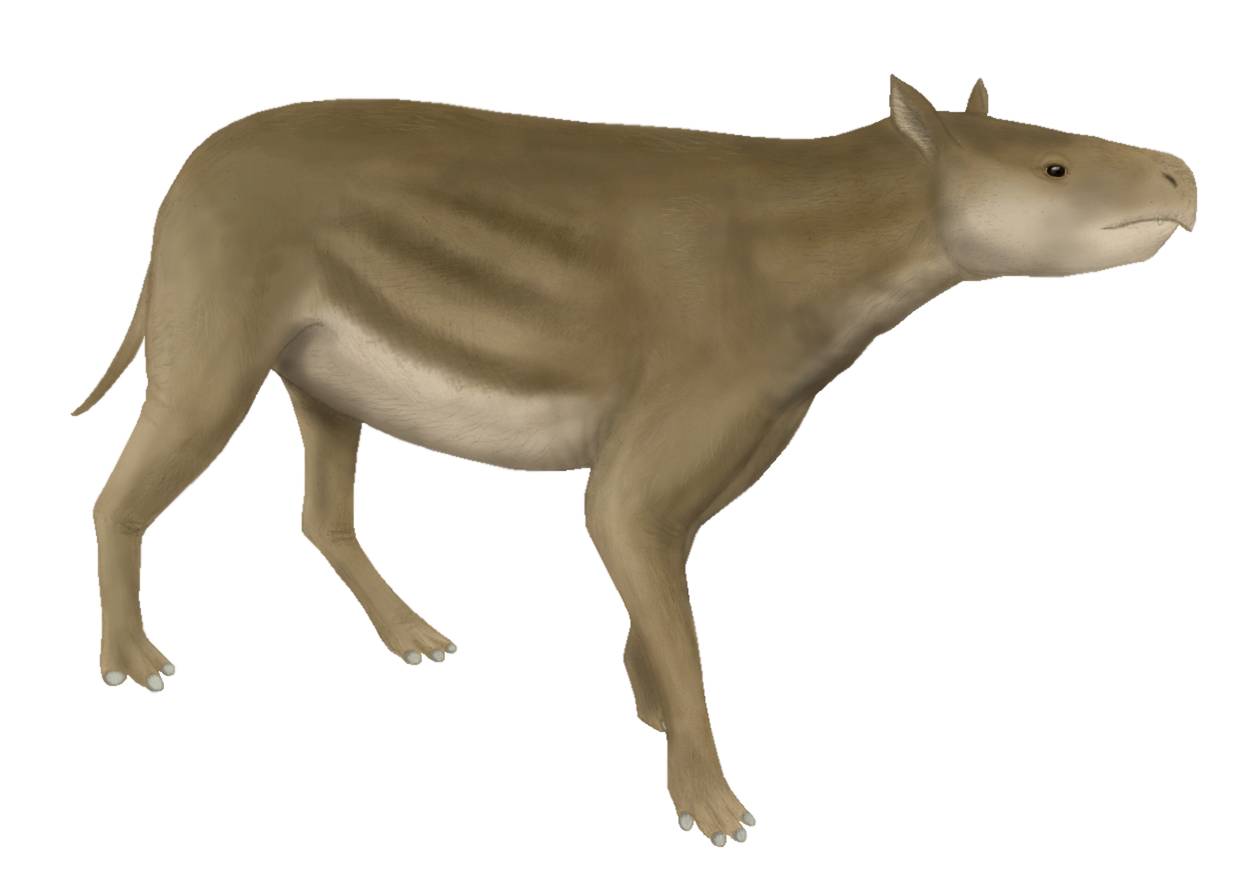
Physical characteristics
Members of Rhinoceros are distinguished by a solitary nasal horn, a large head, short neck and robust body supported on stout legs. Their hide appears plated or armoured because of deep skin folds and tough, thick skin. They have relatively poor eyesight but a strong sense of smell and hearing. Adult size and horn shape vary between the Indian and Javan species: the Indian rhino tends to be larger with more pronounced skin folds, while the Javan rhino is generally smaller and more reclusive.
Distribution and habitat
The Indian rhinoceros historically ranged across the floodplains and tall grasslands of the northern Indian subcontinent; surviving populations today are concentrated in protected reserves and national parks. The Javan rhinoceros once occupied much of Southeast Asia but now persists only in a single, very small wild population in dense lowland forest. Both species use a mix of grassland, swamp, and forest edge habitats and often rely on water sources for wallowing and thermoregulation.
Behavior and reproduction
These rhinos are primarily grazers and browsers, feeding on grasses, leaves, branches and aquatic plants. They are generally solitary animals, with males maintaining territories or home ranges that may overlap those of several females. Females give birth to a single calf after a long gestation period (about 15–16 months); parental care is provided primarily by the mother and young remain dependent for several years.
Conservation and threats
Both species face serious conservation challenges. The Javan rhinoceros is classified as Critically Endangered and survives in only one small, vulnerable population; the Indian rhinoceros is classified as Vulnerable but remains threatened by habitat loss and poaching. Major threats include illegal hunting for horn, conversion and fragmentation of habitat, and small population risks such as inbreeding and disease. Conservation actions include protected areas, anti-poaching patrols, habitat restoration, translocation projects and international cooperation.
Taxonomy and historical context
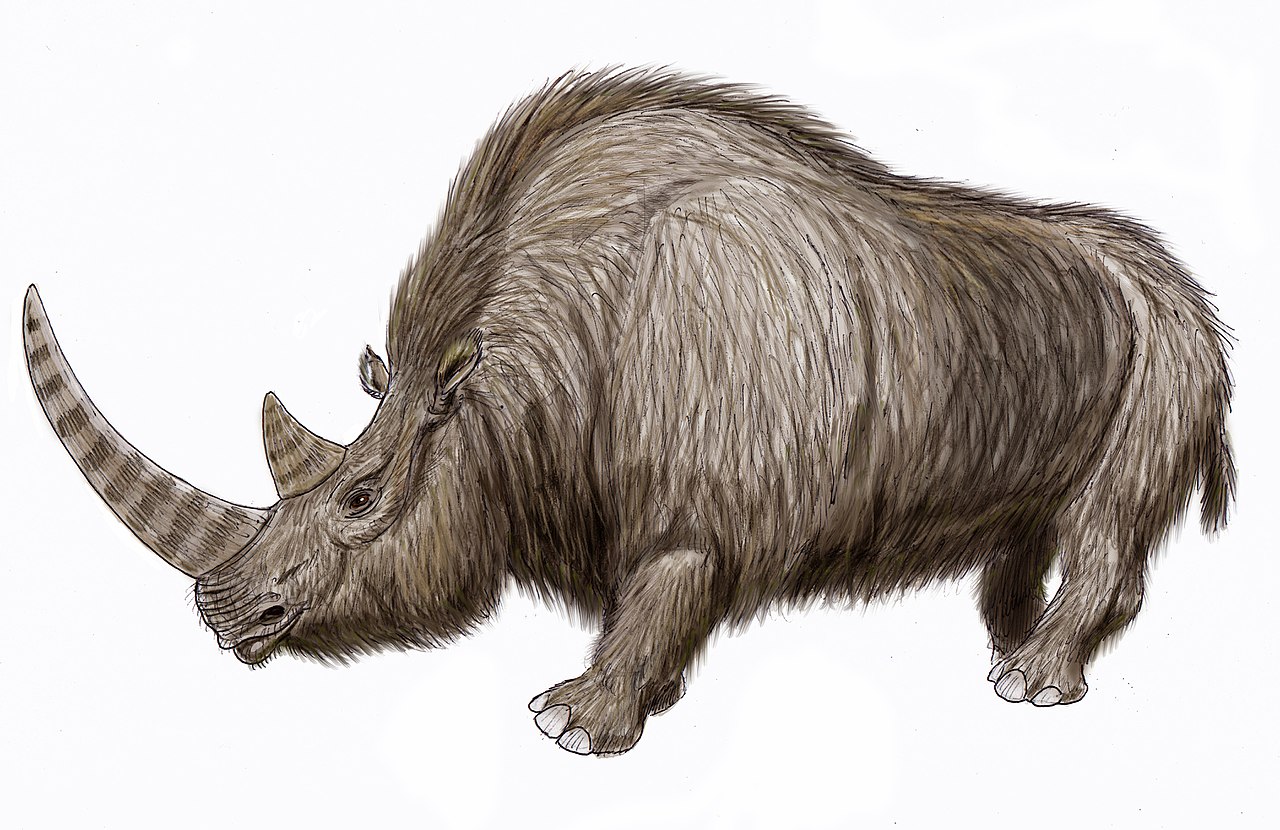
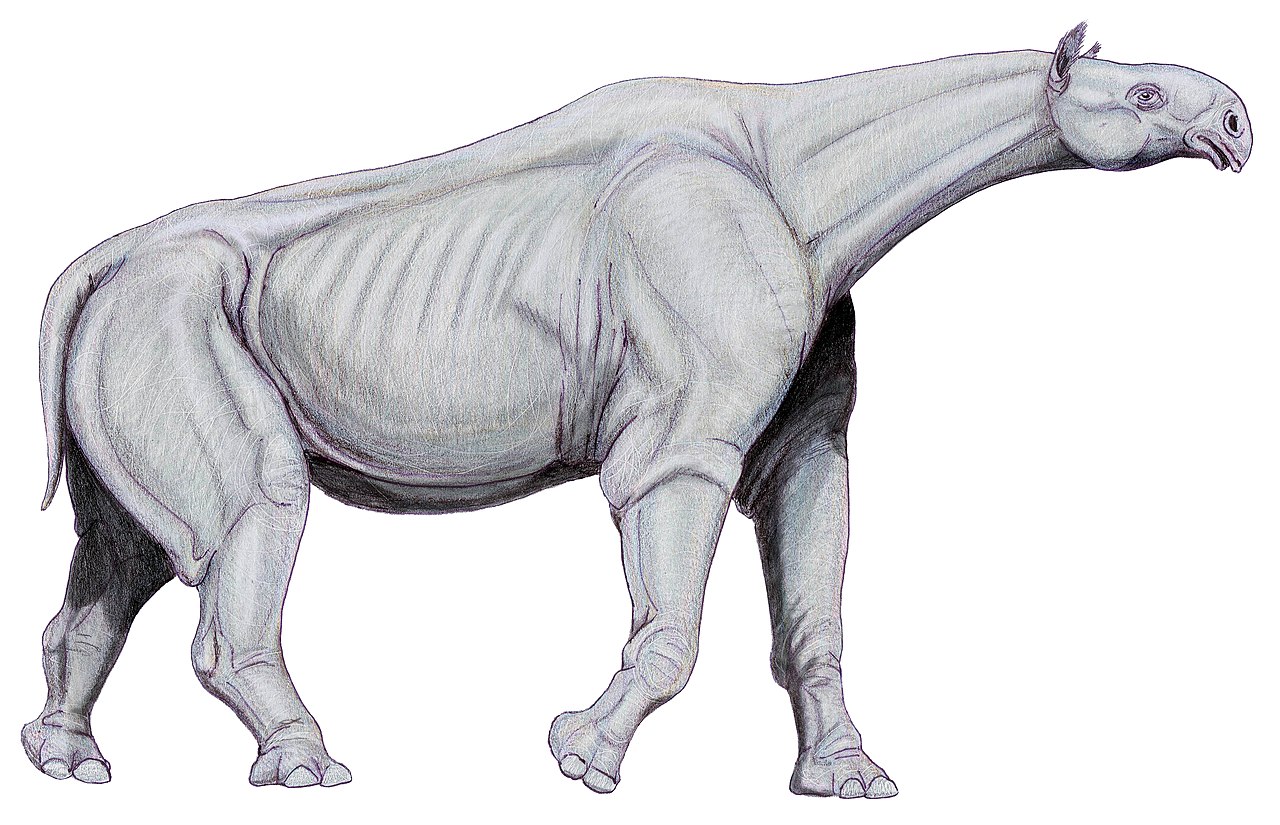
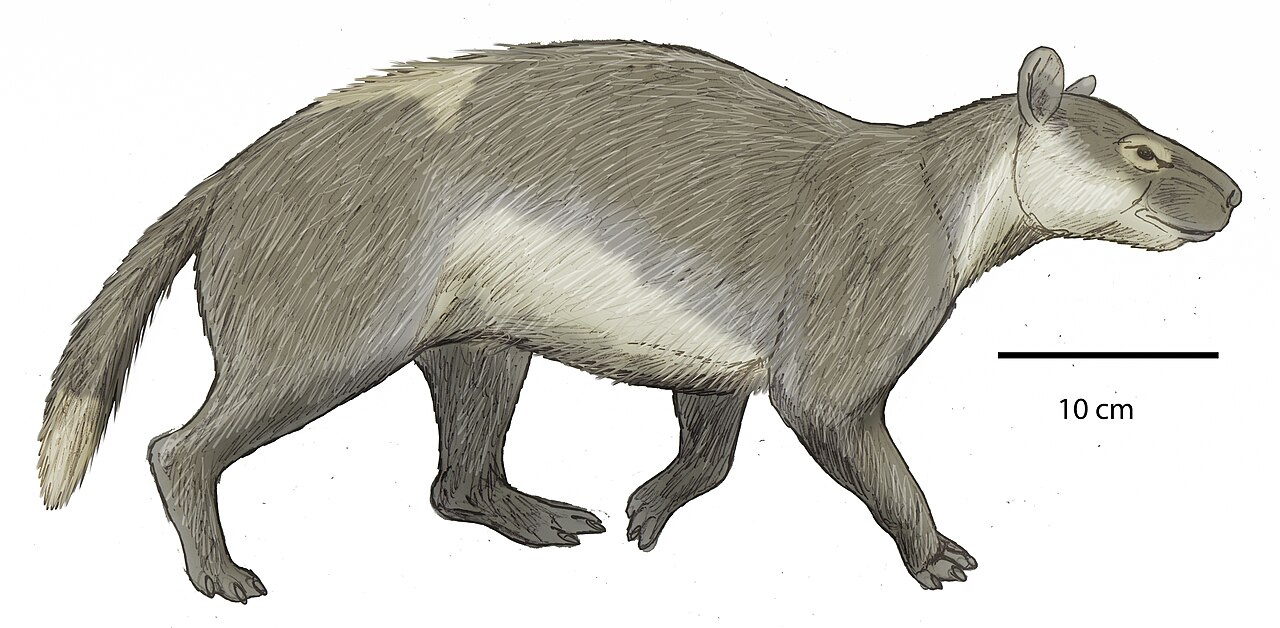
Rhinoceros belongs to the family Rhinocerotidae, a diverse group with a long fossil history in Eurasia and Africa. While only two species of the genus survive today, the family once included many more species and genera. Understanding the evolutionary history and past distributions of rhinoceroses helps inform current conservation strategies and highlights the importance of preserving their remaining habitats.
- Key distinctions: single horn (genus Rhinoceros) versus two-horned Asian and African rhinos in other genera.
- Notable facts: horns are keratinous and growth is continuous; cultural and ecological roles make these species regionally important.
Related articles
Author
AlegsaOnline.com Rhinoceros (genus) Leandro Alegsa
URL: https://en.alegsaonline.com/art/82511