
Reza Shah Pahlavi (1878–1944) — Founder of the Pahlavi Dynasty
Reza Shah Pahlavi, born Reza Khan, ruled Iran from 1925 to 1941. He centralized state power, launched wide modernization programs, and abdicated under Allied pressure during World War II.
Overview
Reza Shah Pahlavi (born Reza Khan; March 16, 1878 – July 26, 1944) was the founder of the Pahlavi dynasty and ruled as Shah of Iran from 1925 until his forced abdication in 1941. Rising from modest origins in the Persian Cossack Brigade, he used military authority and political skill to replace the Qajar monarchy and to create a strong, centralized state. His rule combined ambitious programs of economic and institutional modernization with authoritarian political methods that sought to limit rival sources of power.
Image gallery
10 Images


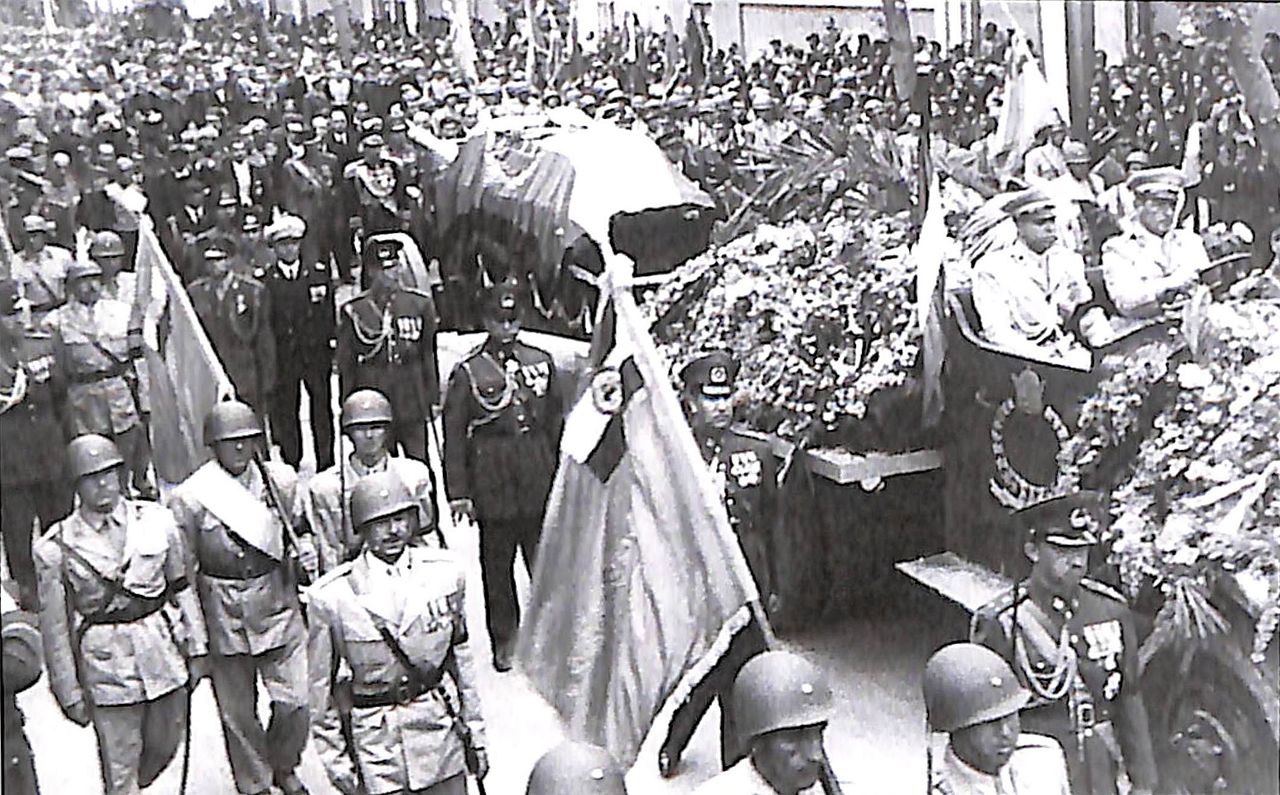


Early life and military career
Born into a provincial family, Reza Khan entered military service as a young man. He served in the Persian Cossack Brigade, a unit modeled on Cossack formations in the Russian Imperial army, and earned a reputation for discipline and organizational ability. Largely self-educated, he advanced through the ranks at a time when Iran's central authority was weak and regional and foreign interests exerted strong influence over the country.
Rise to power
In 1921 Reza Khan was a leading figure in a coup that removed much of the power of the Qajar court and the rival political factions of the capital. He became minister of war and then prime minister, consolidating control over the armed forces and the bureaucracy. In 1925 the national assemblies and political elites transferred the crown to him, ending Qajar rule and inaugurating the Pahlavi dynasty.
Reforms and policies
Reza Shah pursued a top‑down program of state building. He invested in infrastructure, notably major road projects and a national railway, reformed the civil service and legal institutions, and sought to modernize the armed forces. Educational reforms expanded secular schooling and vocational training. He promoted industrial development and fiscal centralization to strengthen the economy and the capacities of the central state.
- Administrative centralization: efforts to bring provinces, tribal areas and local authorities under stronger national control.
- Economic measures: state-led infrastructure, encouragement of modern industries, and reform of taxation and customs.
- Social and cultural policies: promotion of Western-style legal and educational norms, measures that reduced the public authority of some religious and tribal elites, and laws affecting public dress and symbols of national identity.
- Military modernization: expansion and professionalization of the army to secure the regime and project state authority.
Foreign relations and abdication
Reza Shah sought greater independence from long-standing foreign influence, especially that of Britain and Russia (later the Soviet Union). During the 1930s his government developed contacts with several European states, including Germany, which raised concern among the British and Soviets as tensions in Europe increased. In 1941, worried about strategic routes and perceived Axis influence, British and Soviet forces occupied parts of Iran. Under pressure from the occupying powers, Reza Shah abdicated in favor of his son, Mohammad Reza Pahlavi, and left the country. Allied authorities cited fears that elements within Iran might be conspiring with outside powers, a perception that was influenced by some level of cooperation between Tehran and Nazi Germany in the years before the invasion.
Exile, death and succession
After abdicating, Reza Shah went into exile. He lived in several countries before his death in 1944. His son succeeded him and faced many of the same challenges of modernization, centralization and foreign pressure that marked the earlier reign.
Legacy and historical assessment
Historians view Reza Shah's legacy as mixed. Supporters emphasize his role in creating a unified modern state, building infrastructure, reforming institutions and reducing overt foreign control. Critics point to his authoritarian methods: suppression of political parties and dissent, curbs on press freedom, and heavy-handed policies toward clerical leaders and tribal communities. His rule reshaped Iran's political and social structures and set the terms for debates over modernization, national identity and state power that persisted throughout the twentieth century.
Further reading and links
For introductions to his life and rule consult general histories of modern Iran and biographies that weigh both achievements and abuses of power. Basic reference entries and specialized studies offer differing interpretations of his motivations, methods and long-term impact. See related subjects: coup d'état, the Qajar dynasty, and the geopolitical context of the 1930s. Additional reference points: Shah | Iran | Mohammad Reza Pahlavi | Nazi Germany | conspiring
Related articles
Author
AlegsaOnline.com Reza Shah Pahlavi (1878–1944) — Founder of the Pahlavi Dynasty Leandro Alegsa
URL: https://en.alegsaonline.com/art/82454
Sources
- britannica.com : "Reza Shah Pahlavi"
- soc.world-journal.net : soc.world-journal.net