
Rhonda Fleming: American film and television actress
Rhonda Fleming (1923–2020) was an American film and television actress celebrated for her Technicolor presence and a prolific career in studio-era Hollywood during the 1940s and 1950s.

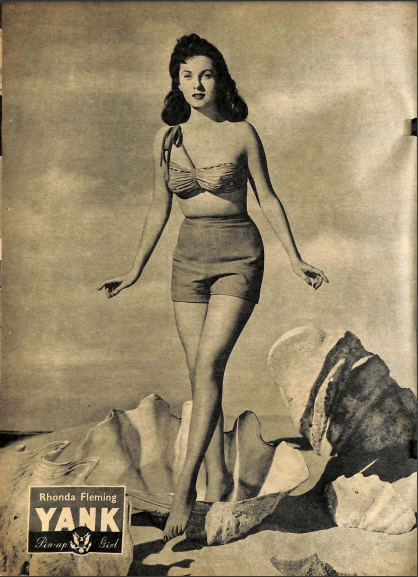
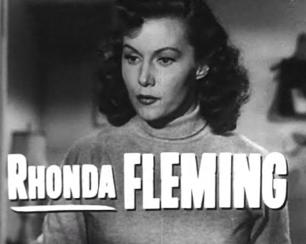
Rhonda Fleming was an American actress whose career spanned motion pictures and broadcast television during the mid-20th century. Often referred to in publicity as a leading example of Technicolor glamor, she became known for a luminous screen presence and for steady work across studio films and later television productions. Her public image combined classic Hollywood styling with a professional reputation that kept her in demand through the 1940s and 1950s.
Image gallery
6 Images



Early life
Fleming was born in Hollywood, California, and grew up in the Southern California region. Like many performers of her era she entered the entertainment industry at a young age, working first in small roles and building a career as studio contracts and the expanding film industry created regular opportunities for actors who could carry both dramatic and lighter parts.
Career and screen persona
During her most active decades she appeared in numerous studio pictures and later made frequent appearances on television. She worked in a range of genres, and publicity often highlighted the way color cinematography emphasized her appearance. Her film work and television guest roles showed versatility, and she earned the popular sobriquet "Queen of Technicolor" for the way she photographed in color features.
Genres and notable traits
- Performed in dramas, westerns, crime films and lighter musical or romantic fare.
- Praised for screen elegance, clear diction and professional reliability.
- Balanced studio picture work with guest turns on emerging television series.
Her busiest years were the 1940s and the 1950s, when the studio system created regular film releases and television began to broaden an actor's opportunities. She moved smoothly between supporting and leading roles and adapted to the changing production landscape as television grew in prominence. She is associated both with classic Hollywood studio productions and with the early years of televised drama and variety programs.
Personal life and later years
Born and raised in Hollywood, Fleming remained connected to Southern California throughout her life, living and working in the region and participating in public events and charitable activities common among entertainers of her generation. In later decades she made selected appearances, maintained friendships within the industry, and took part in interviews reflecting on the studio era.
Fleming died in October 2020 in Santa Monica. Contemporary reports listed pneumonia as a complication at the time of her death. Public remembrances emphasized her long career across two media and her signature screen image. Her career continues to be cited as representative of a particular strand of mid-century American film and television stardom.
Apart from film and screen work, Fleming's name is often mentioned in discussions of classic Hollywood publicity and the role of color cinematography in shaping star images. For additional context on the period and her place within it, readers can consult general histories of studio-era Hollywood, film technology and television's early decades.
Her contributions remain part of mid-20th century American entertainment history, and she is remembered both for the breadth of her screen work and for the visual qualities that made her a distinctive figure in Technicolor productions. For summaries of her screen credits and later interviews see dedicated filmography resources and historical overviews.
She appeared on stages, screens and television broadcasts during a time of significant change in entertainment, helping bridge the studio picture era and the rise of television as a dominant mass medium. Her career illustrates opportunities and constraints experienced by many actors of her generation.
She is also referenced in cultural histories that examine how publicity and visual technologies shaped popular perceptions of film stars. For more detailed listings and archival materials, consult film reference collections and broadcast archives.
Additional references and archival links can be found through dedicated film and television research resources and databases that document studio-era performers and their later careers in broadcast media. See entries on film history, Technicolor processes and television's development for broader context.
Related topics include the history of color film, the studio system, and television's expansion in the postwar decades. These areas provide context for understanding how performers like Fleming became widely known and celebrated for particular screen qualities.
Key associations and terms: film, movie, television, studio-era Hollywood, Technicolor, mid-century popular culture.
Related articles
Author
AlegsaOnline.com Rhonda Fleming: American film and television actress Leandro Alegsa
URL: https://en.alegsaonline.com/art/82540
Sources
- lifesupernatural.com : "Rhonda Fleming"