
Righteous Among the Nations
Honorific awarded by Yad Vashem (Israel) to non-Jews who risked their lives to rescue Jews during the Holocaust; criteria, history, examples, and memorials are explained.
Overview
Righteous Among the Nations is an honorific accorded to non-Jews who took extraordinary risks to save Jews during the Holocaust. Administered by Yad Vashem in Jerusalem, the title recognizes individual courage and moral choice under genocidal conditions. The award is both a formal recognition and a historical record: names, testimonies and documentation become part of the public memory of rescue during World War II.
Image gallery
9 Images



Criteria and designation
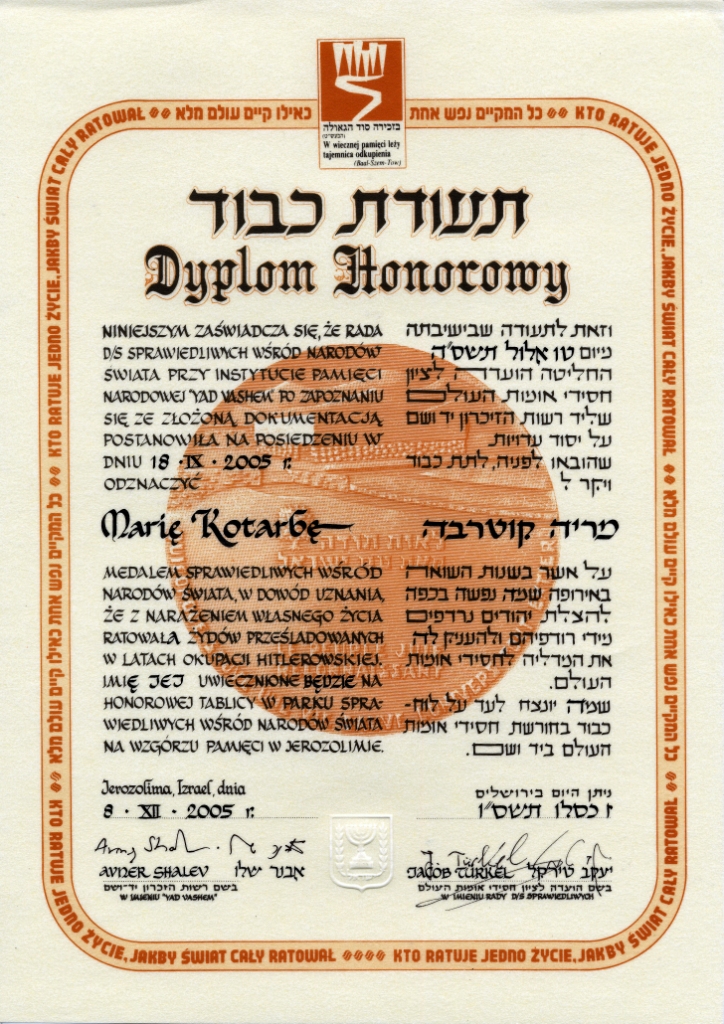
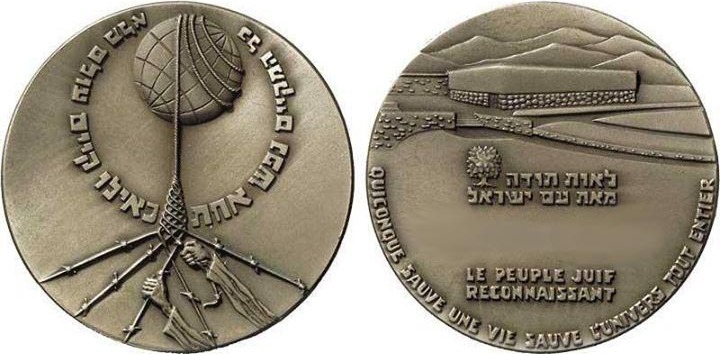
To be designated Righteous Among the Nations, a candidate must meet stringent standards: evidence that assistance was given to Jews during the Nazi era; proof that the rescuer acted at risk to their life, freedom or safety; the aid was offered without material reward; and there is corroborating testimony or archival documentation. Decisions are made by a commission that reviews applications and evidence and may be awarded posthumously. The formal recognition typically includes a medal, a certificate of honor, and the recording of the recipient’s name on the rolls maintained by the institution.
History and administration
The program was created by Yad Vashem, Israel’s official Holocaust remembrance authority, to identify and honor rescuers. The institution maintains files, conducts research and invites testimonies from survivors, families and researchers. The process emphasizes careful verification to preserve historical accuracy and moral clarity. The award has been conferred on people from many countries and backgrounds, illustrating that rescue efforts took diverse forms and occurred across Nazi-occupied Europe.
Recognition, memorials and ceremonies
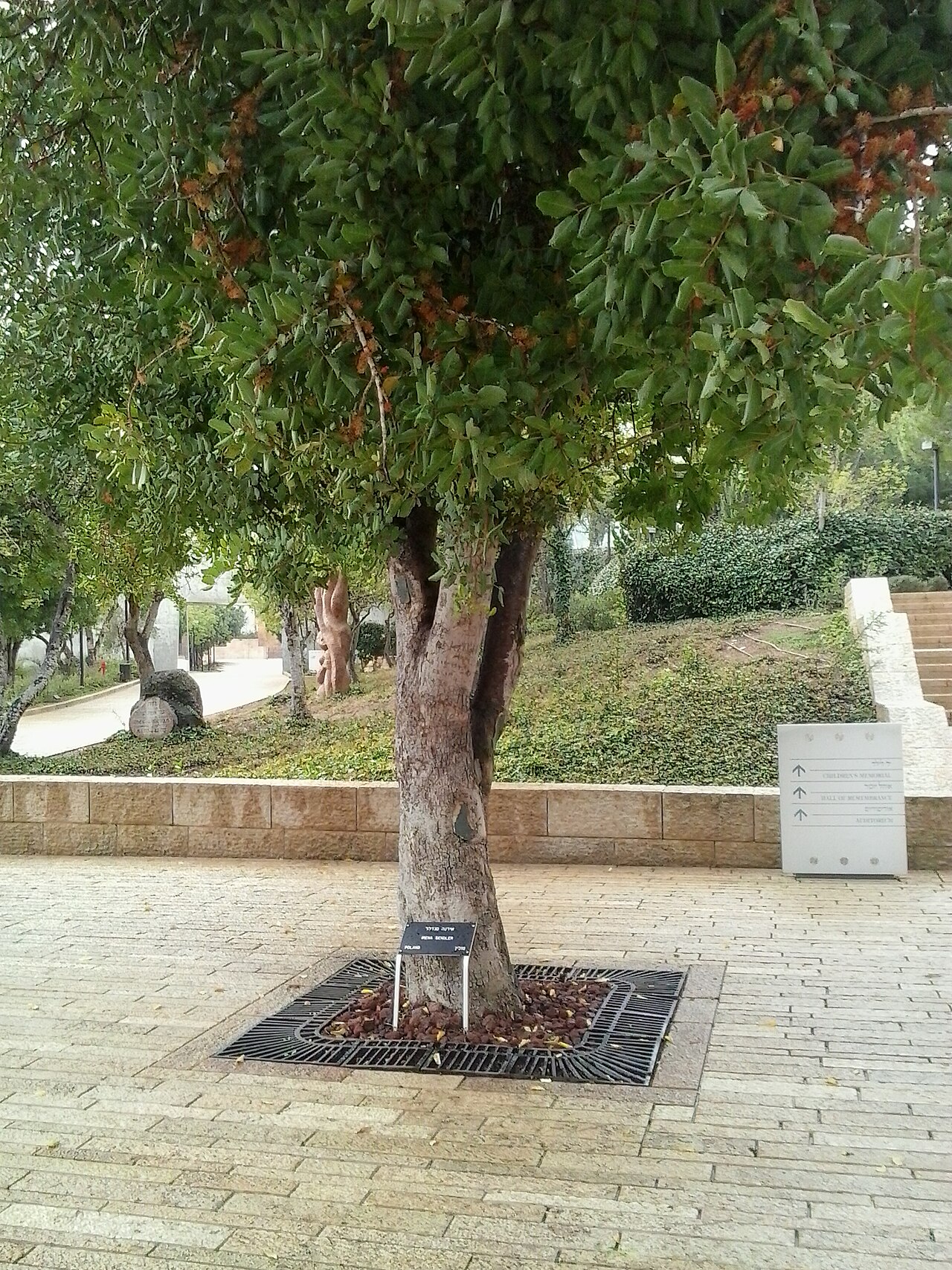
Recipients are commemorated in multiple ways. Names are inscribed in registers and displayed at Yad Vashem, and some are honored on plaques or in gardens dedicated to rescuers. The Righteous Among the Nations Memorial Path is a prominent site at Yad Vashem that leads visitors through commemorative spaces. Award presentations are sometimes accompanied by ceremonies attended by survivors, family members and public officials. For more detail, consult the official award page and materials provided by the Yad Vashem institution and the State of Israel.
Notable examples and impact
- Oskar Schindler, an industrialist who sheltered and employed Jews, is one widely known recipient.
- Corrie ten Boom and many other individuals and families provided hiding places, false papers or escape routes.
- Other recognized figures include diplomats, clergy, neighbors and entire households whose acts saved lives.
Significance and legacy
The Righteous designation serves several purposes: it honors those who resisted by saving lives, it preserves testimony for historians and educators, and it offers moral examples for future generations. While the award cannot alter the enormity of loss, it highlights human agency and the capacity for altruism amid atrocity. For researchers and relatives seeking more information, archival files and survivor accounts held by Yad Vashem and associated institutions provide primary sources and guidance for applications.
Related articles
Author
AlegsaOnline.com Righteous Among the Nations Leandro Alegsa
URL: https://en.alegsaonline.com/art/82908