
Rheumatoid arthritis: causes, symptoms, diagnosis and management
Rheumatoid arthritis (RA) is a chronic autoimmune disease that primarily affects joints. This article explains its features, causes, diagnosis, treatment, history and important considerations.
Overview
Rheumatoid arthritis (RA) is a chronic inflammatory condition in which the immune system mistakenly targets the lining of the joints. The process produces persistent synovial inflammation, pain, stiffness and, over time, joint damage. RA most often affects small joints of the hands and feet first but can involve larger joints and other organs. The course varies: some people have intermittent flares while others develop steadily progressive disability. Although there is no cure, modern treatments can control inflammation and reduce long‑term harm.
Image gallery
8 Images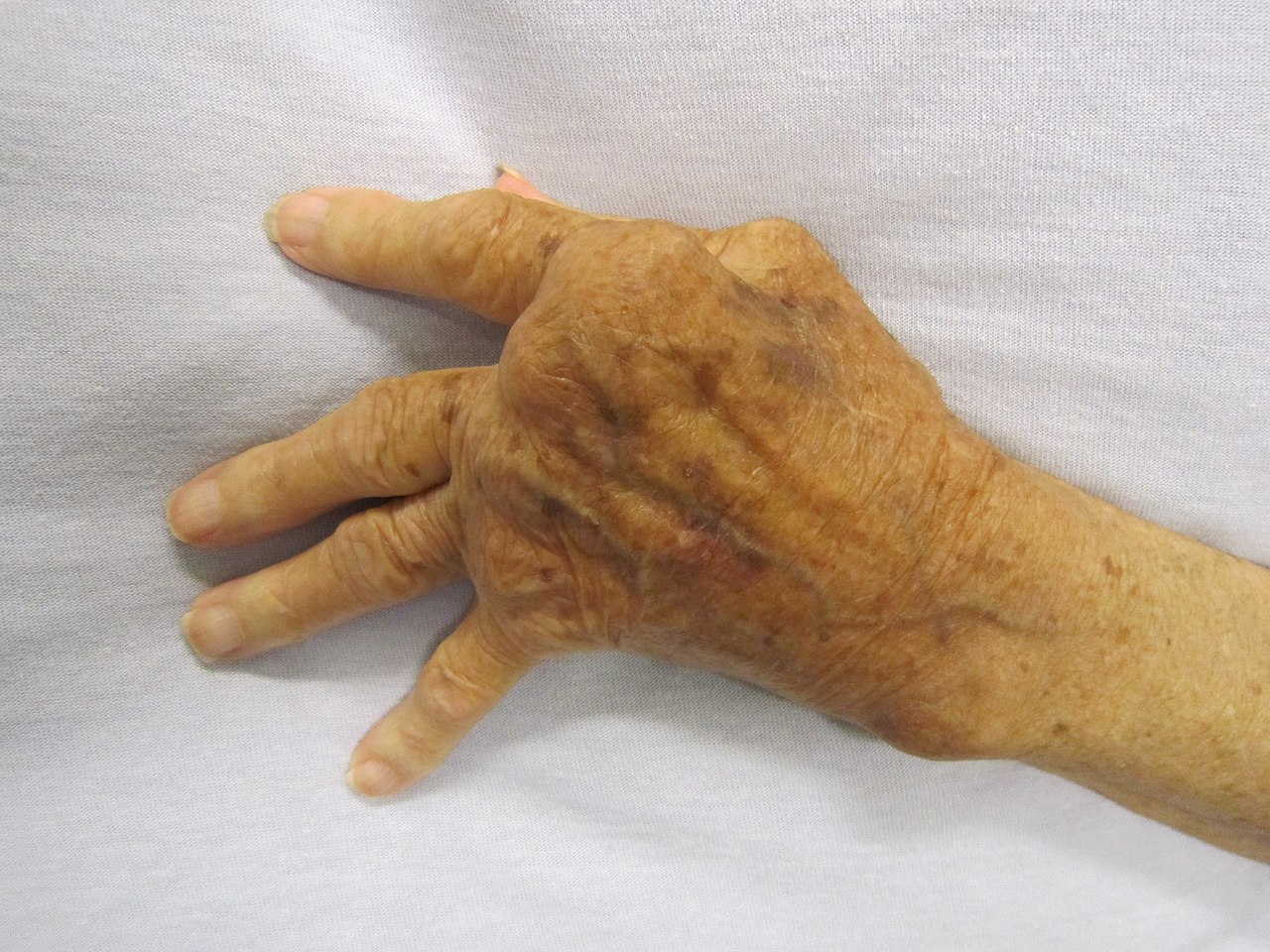



What happens in the body
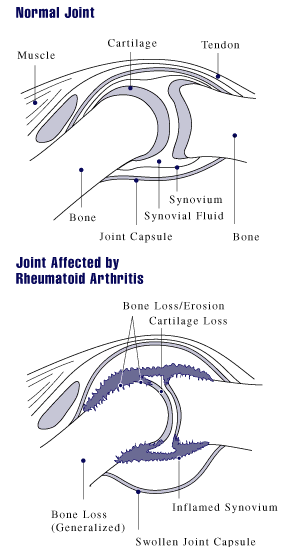
RA is classified as an autoimmune disease. In affected joints the synovium (the membrane that lines joint capsules) becomes thickened and inflamed, producing excess synovial fluid and enzymes that erode cartilage and bone. A characteristic tissue called pannus—granulation tissue made of inflammatory cells and fibrous tissue—can invade and destroy the articular surface. The resulting loss of cartilage allows bone-on-bone contact, increasing pain and deformity. RA is systemic in many patients and can cause fatigue, low‑grade fever and inflammation in structures beyond the joints, such as the lungs, heart lining, eyes and blood vessels.
Causes and risk factors
The exact trigger for RA is unknown. Current understanding points to an interaction of genetic susceptibility and environmental exposures. Certain gene variants (for example in HLA regions) are linked to higher risk, and smoking is a well established environmental risk factor. Hormonal influences are suspected because RA is more common in women, and some infections may act as initiating events in predisposed people. Autoantibodies, including rheumatoid factor (RF) and anti‑citrullinated peptide antibodies (anti‑CCP), are common and help indicate an autoimmune process, but their presence and levels vary.
Signs, diagnosis and course
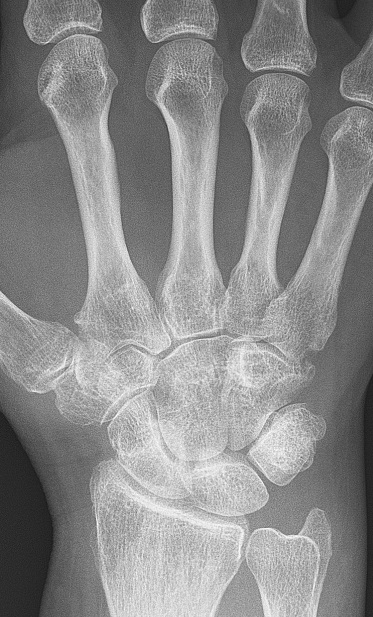
Typical symptoms include symmetrical joint pain, morning stiffness lasting more than 30 minutes, swelling and reduced range of motion. Diagnosis is clinical and supported by blood tests, imaging and symptom patterns. Laboratory tests may show elevated inflammatory markers, RF and anti‑CCP antibodies. X‑rays, ultrasound or MRI can reveal joint space narrowing, erosions and synovitis. Early diagnosis and treatment are important because irreversible damage can occur within months to years if inflammation remains uncontrolled.
Treatment and management
Management aims to suppress inflammation, relieve symptoms and preserve function. Core treatments include disease‑modifying antirheumatic drugs (DMARDs) such as methotrexate, and biologic agents that target specific immune pathways. Short‑term corticosteroids and nonsteroidal anti‑inflammatory drugs (NSAIDs) are used for symptom control. Nonpharmacologic care—physical therapy, occupational therapy, patient education, exercise and lifestyle changes like smoking cessation—helps maintain mobility and quality of life. In advanced cases, joint surgery or replacement may be necessary to restore function.
History and notable facts
Descriptions of inflammatory polyarthritis go back centuries, but rheumatoid arthritis was first distinguished as a specific disease in the early 19th century. Since then, classification criteria and treatments have evolved significantly. RA affects women more often than men and most commonly begins in middle adulthood, though it can start at any age. Prognosis varies: many people achieve long periods of low disease activity with modern therapies, while others have more aggressive disease that requires intensive management.
Practical considerations
- Early referral to a specialist improves outcomes.
- Monitoring for medication side effects and comorbidities (cardiovascular risk, infections) is important.
- Self‑management, support groups and rehabilitation services are valuable adjuncts to drug therapy.
Further information and references
For additional reading and authoritative overviews, see these resources:
- Clinical overview
- Autoimmune mechanisms
- Synovial pathology
- Immune system basics
- Inflammation and tissue damage
- Joint involvement in RA
- Extra‑articular manifestations
- Joint capsule anatomy
- Synovitis and swelling
- Synovial fluid role
- Articular cartilage
- Hormonal influences
- Environmental triggers
- Infection hypotheses
- Genetic risk factors
Questions and answers
Q: What is Rheumatoid Arthritis?
A: Rheumatoid Arthritis (RA) is a serious, painful, and chronic (long-lasting) autoimmune disease where the body's immune system attacks healthy cells. This causes swelling of the capsules around the joints, an excess of synovial fluid, and tough fibrous tissue to build up in the synovium area. In some cases it can even destroy articular cartilage which normally cushions bones when they come together to form joints.
Q: What are some possible causes of RA?
A: The exact cause of RA is unknown but theories suggest that it may be related to hormones, environment, infection and genes.
Q: Who is most likely to get RA?
A: Women are two to three times as likely as men to get rheumatoid arthritis and most cases occur in people between the ages of 25 and 55.
Q: Is there a cure for RA?
A: Unfortunately there is no cure for RA at this time but doctors have determined ways to help slow down and reduce its impact on those affected by it.
Q: When was RA first recognized?
A: RA was first recognized around 1800 by Dr. Augustin Jacob Landré-Beauvais.
Q: How does RA affect the body?
A: When a person has RA their immune system attacks the joints and tissues around them causing swelling of capsules around joints, an excess production of synovial fluid which should cushion the joint, as well as tough fibrous tissue building up in the synovium area which also helps cushioning bones when they come together at a joint. Eventually this can lead to destruction of articular cartilage which normally covers these ends of bones preventing them from rubbing against each other painfully if destroyed by RA.
Related articles
Author
AlegsaOnline.com Rheumatoid arthritis: causes, symptoms, diagnosis and management Leandro Alegsa
URL: https://en.alegsaonline.com/art/82499
Sources
- ncbi.nlm.nih.gov : George Hajishengallis. Periodontitis: from microbial immune subversion to systemic inflammation
- ncbi.nlm.nih.gov : PMID 11324929