
Respiratory care (respiratory therapy)
Clinical specialty diagnosing, treating and managing breathing disorders. Practitioners include respiratory therapists who work with pulmonologists across acute, chronic and home settings worldwide, with regional variation.
Overview
Respiratory care is the clinical specialty concerned with assessing, treating and supporting people who have problems with breathing and lung function. It is closely allied with pulmonology and with other disciplines such as critical care medicine and emergency medicine. Respiratory care applies knowledge of respiratory physiology, gas exchange and airway management to improve ventilation, oxygenation and patient comfort in both acute and long‑term situations.
Image gallery
9 Images




Roles, practitioners and practice settings
Professionals who specialize in this field are commonly called respiratory therapists. They deliver direct patient care, operate and troubleshoot ventilators and monitoring equipment, administer aerosolized medications, assist with airway procedures, and provide education on inhaler technique and chronic disease self‑management. Respiratory therapists work alongside physicians, nurses, physiotherapists and other rehabilitation staff across many settings, including:
- Hospital wards and intensive care units, where invasive ventilation and complex airway support are managed.
- Emergency departments and procedural suites for acute respiratory stabilization.
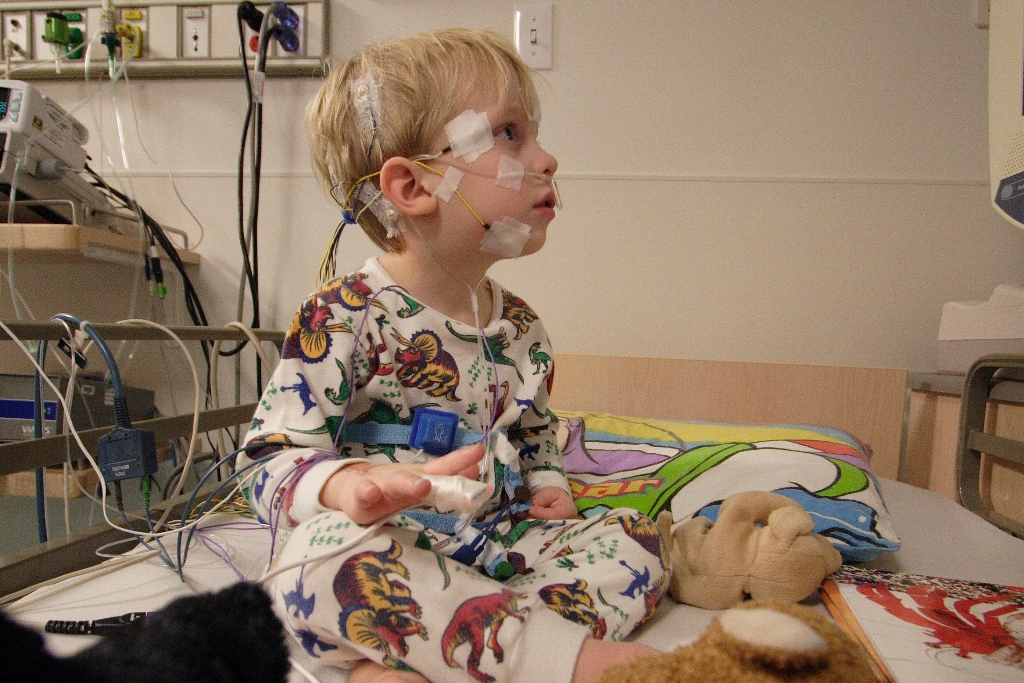
- Neonatal and pediatric units that require specialized respiratory support for infants and children.
- Outpatient clinics, pulmonary rehabilitation programs and patients' homes for chronic disease management, oxygen therapy and education.
Scope, techniques and equipment
Common interventions include oxygen therapy, noninvasive ventilation (for example CPAP and BiPAP), mechanical ventilation management, aerosol drug delivery, airway suctioning, chest physiotherapy and bronchopulmonary hygiene. Respiratory care professionals also perform or assist with diagnostic testing such as spirometry, pulmonary function tests and arterial blood gas sampling to quantify respiratory status and guide treatment.
Training, credentials and geographic variation
Training pathways vary by country and region. In many parts of North America—including Canada, the United States and Mexico—respiratory therapy is an established allied health profession with formal education programs and national credentialing examinations. In other countries, similar clinical tasks may be performed by registered nurses, physiotherapists or medical technicians depending on local regulation and workforce structure. For professional guidance, clinicians often consult national societies and regulatory authorities through published guidelines and position statements available from recognized organizations (professional resources).
History, clinical importance and public health role
The specialty expanded during the 20th century with the advent of modern mechanical ventilation and intensive care. Respiratory care is central to managing chronic respiratory diseases such as chronic obstructive pulmonary disease (COPD) and asthma, and to treating acute conditions like pneumonia, respiratory distress and respiratory failure. Respiratory care teams also contribute to prevention and public health efforts, including smoking cessation support, vaccination advocacy and training patients in correct inhaler technique.
Collaboration and future directions
Respiratory therapists collaborate with pulmonologists and multidisciplinary teams to design individualized care plans, wean patients from ventilators, and support rehabilitation after critical illness. Emerging trends that affect practice include greater use of noninvasive respiratory support, portable oxygen technology, telemedicine for remote monitoring and follow‑up, and evidence‑based pulmonary rehabilitation programs. Clinicians and patients can find introductory materials, clinical practice guidelines and professional standards via official organizations and educational portals (guidelines and resources, specialty societies).
Related articles
Author
AlegsaOnline.com Respiratory care (respiratory therapy) Leandro Alegsa
URL: https://en.alegsaonline.com/art/82306