
Reserve Bank of India
India’s central bank, established in 1935, responsible for issuing currency, setting monetary policy, regulating banks and maintaining financial stability across the Indian economy.
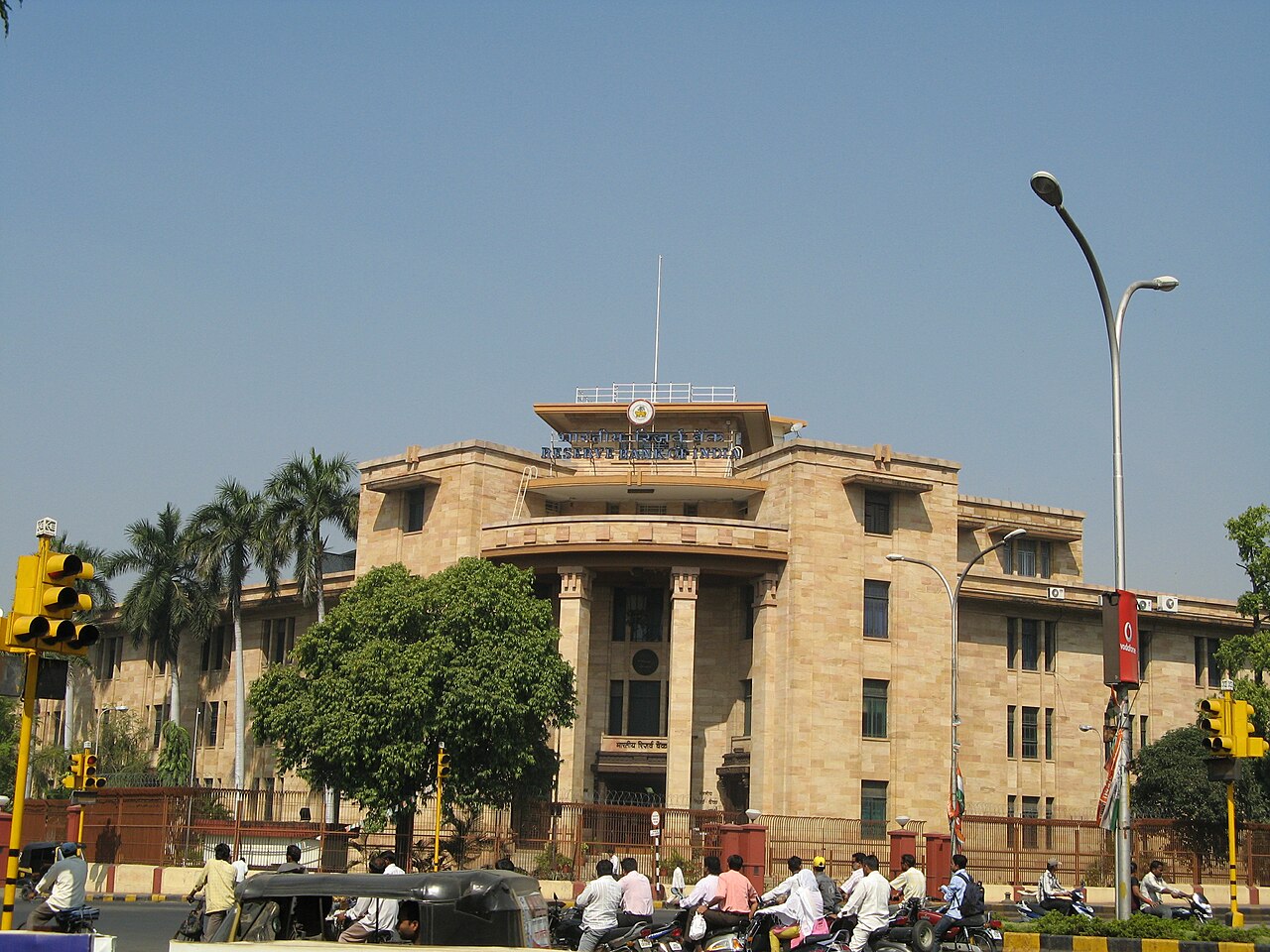
The Reserve Bank of India (RBI) is the central banking institution of the Republic of India. Formally established under the Reserve Bank of India Act, 1934 and beginning operations on 1 April 1935, it is headquartered in Mumbai and serves as the country’s principal monetary authority. The RBI issues the national currency (the Indian rupee), formulates and implements monetary policy, and supervises the banking and payments systems.
Image gallery
10 Images




Historical development
Created during the late colonial period, the RBI was nationalized in 1949 and subsequently evolved to match India’s changing economic needs. Over decades it has introduced major institutional changes — for example, formal frameworks for inflation targeting and a Monetary Policy Committee to set interest rates — and it has adapted regulation and infrastructure to support modern digital payments and a growing financial sector.
Core functions
- Monetary policy: managing liquidity and inflation through instruments such as the repo and reverse repo rate, cash reserve ratio (CRR), statutory liquidity ratio (SLR) and open market operations.
- Currency management: issuing and withdrawing banknotes and coins and arranging their printing and distribution.
- Banker and adviser to government: maintaining government accounts, managing public debt and advising on economic policy.
- Regulation and supervision: licensing, supervising and regulating commercial banks, non-banking financial companies and payment system operators for safety and soundness.
- Foreign exchange and reserves: overseeing the country’s foreign exchange market and managing foreign exchange reserves and interventions.
- Financial stability and development: acting as lender of last resort, promoting financial inclusion and supporting payment and settlement infrastructure.
Monetary policy is implemented using a mix of conventional tools (policy rates and reserve requirements) and market operations, guided by an explicit inflation target agreed between the government and the RBI. The Monetary Policy Committee meets regularly to review macroeconomic conditions and set the policy stance.
Administratively, the RBI is governed by a central board headed by the Governor, supported by deputy governors and a network of regional offices. It operates currency presses and coordinates with mints, maintains financial market infrastructure, and oversees payment networks and clearinghouses.
Beyond core banking supervision, the RBI plays a broader economic role: promoting financial stability, improving access to banking services, and fostering innovation in payments and fintech. For further official information and publications see the RBI official site, its periodic reports and circulars available via policy portals such as statutory publications and research summaries at research and data.
Related articles
Author
AlegsaOnline.com Reserve Bank of India Leandro Alegsa
URL: https://en.alegsaonline.com/art/82270
Sources
- rbidocs.rbi.org.in : "Reserve Bank of India Act, 1934
- rbidocs.rbi.org.in : "Reserve Bank of India: Platinum Jubilee", p. 6 [PDF 8 of 40]