
Roman province (provincia) — administrative unit of ancient Rome
A Roman province (Latin provincia) was the principal territorial division of Rome’s possessions outside Italy, governed by magistrates or imperial appointees and responsible for tax, justice and defence.
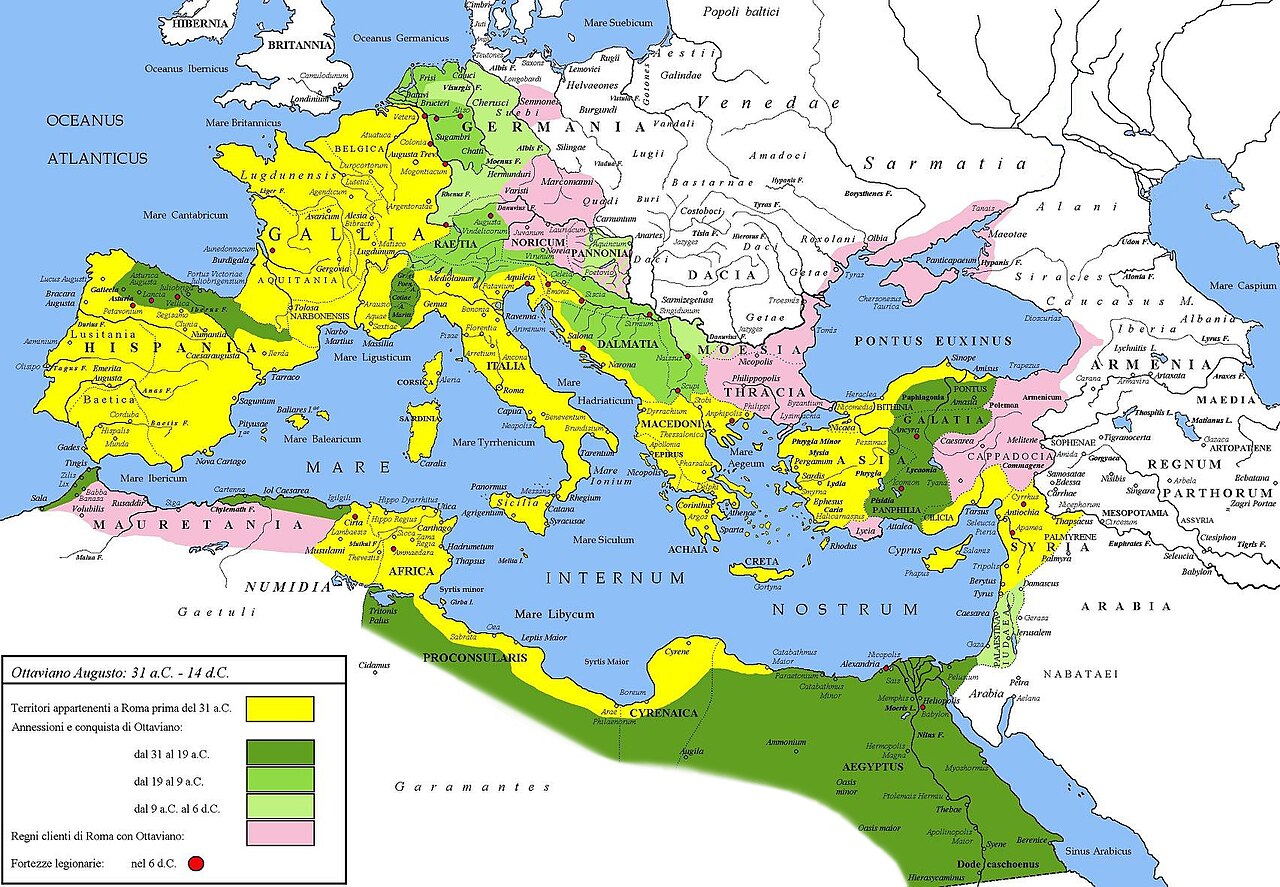
The term provincia (plural provinciae) designated the principal territorial and administrative unit through which Ancient Rome managed lands beyond the Italian peninsula. Provinces grouped conquered territories, client kingdoms and newly organized regions into entities with defined boundaries, capitals and reporting channels to Rome. The Latin name later became the modern word province, and the concept influenced the administrative vocabulary of many later states.
Image gallery
5 Images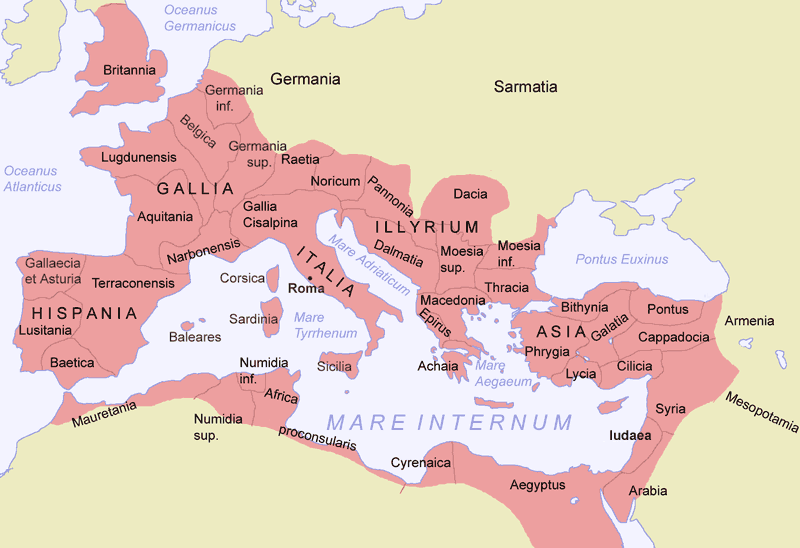


Characteristics and administration
A Roman province combined civil, military and fiscal responsibilities. Each province had an official governor who oversaw taxation, legal matters and defence. Governors were drawn from Rome’s political classes and held titles that reflected their authority and rank. Typical components of provincial administration included:
- Governor (proconsul, propraetor, or imperial legate) responsible for law, order and troops.
- Local municipal councils and magistrates that managed daily urban affairs and collected local taxes.
- Roman tax agents and officials who administered imperial revenues and public finances.
History and development
During the Roman Republic, provinces emerged as territories assigned to magistrates after military campaigns and were often temporary arrangements for command. As Rome’s empire expanded through conquest and diplomacy, provinces became more permanent. Augustus reorganized provincial governance at the start of the Empire, distinguishing provinces under senatorial control from those retained by the emperor. Administrative reforms continued over centuries and by the late third century provincial boundaries and governance were revised into smaller units for more efficient control and defence.
Provinces served multiple functions: they provided soldiers, collected taxes and resources, dispensed Roman law, and acted as conduits for cultural and economic exchange. Romanization — the spread of Roman law, language and infrastructure — is most visible in provincial cities, roads and public buildings.
Notable distinctions include the division between senatorial and imperial provinces, depending on whether the Senate or the emperor appointed governors, and the evolution of provincial rights and citizenship. Over time Roman citizenship was extended to many provincials, a process with significant political and social consequences for both Rome and the provinces. For further reading on Rome’s territorial organization and development see resources on the Republic and Empire, the Italian peninsula’s relationship to provincial status via Italy, and the linguistic legacy preserved in modern English.
Related articles
Author
AlegsaOnline.com Roman province (provincia) — administrative unit of ancient Rome Leandro Alegsa
URL: https://en.alegsaonline.com/art/83864
Sources
- livius.org : Early Imperial Roman provinces, at livius.org