
Reich Chancellor (Reichskanzler): office, history and significance
The Reich Chancellor was the head of government of the German Reich from 1871 to 1945. This article explains its role, institutional evolution across the German Empire, Weimar Republic and Nazi era, and its legacy.
The term Reich Chancellor (German: Reichskanzler) designated the head of government of the German state known as the German Reich. Over three distinct constitutional periods — the German Empire, the Weimar Republic, and the era of Nazi Germany — the office changed in how it was filled, the scope of its powers, and its relationship with other state organs. The position is separate from the modern office of Bundeskanzler (Federal Chancellor) created after World War II.
Image gallery
10 Images
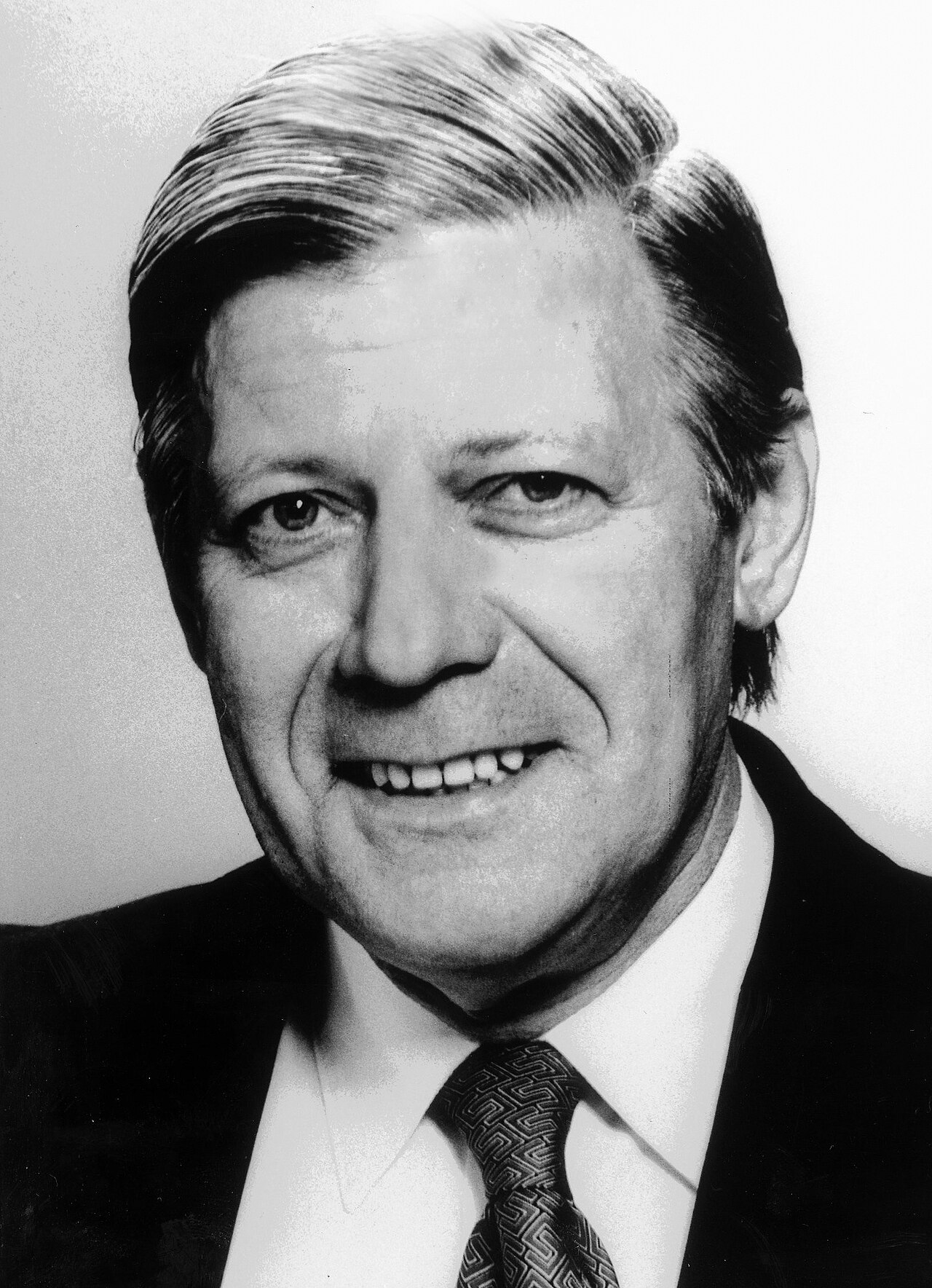

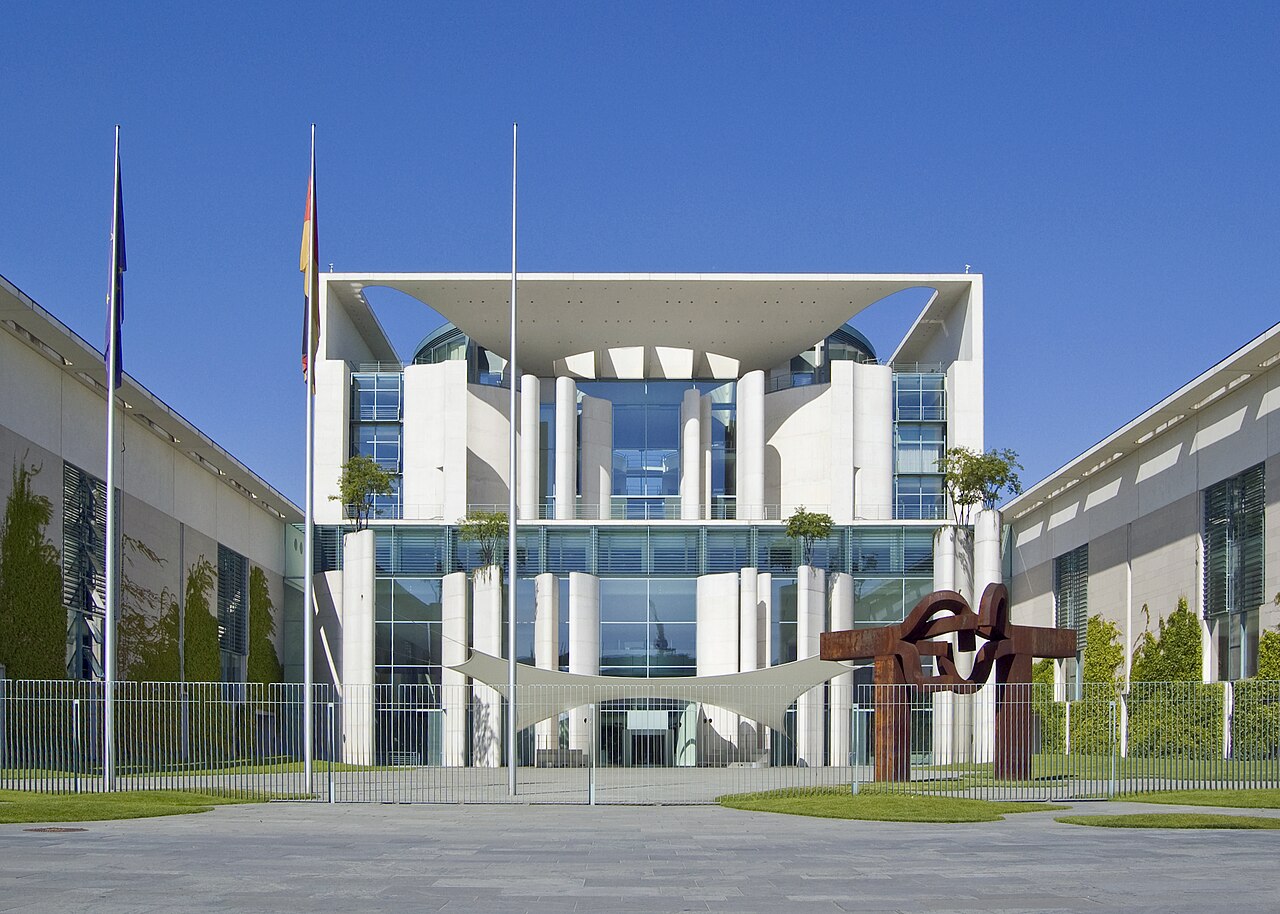


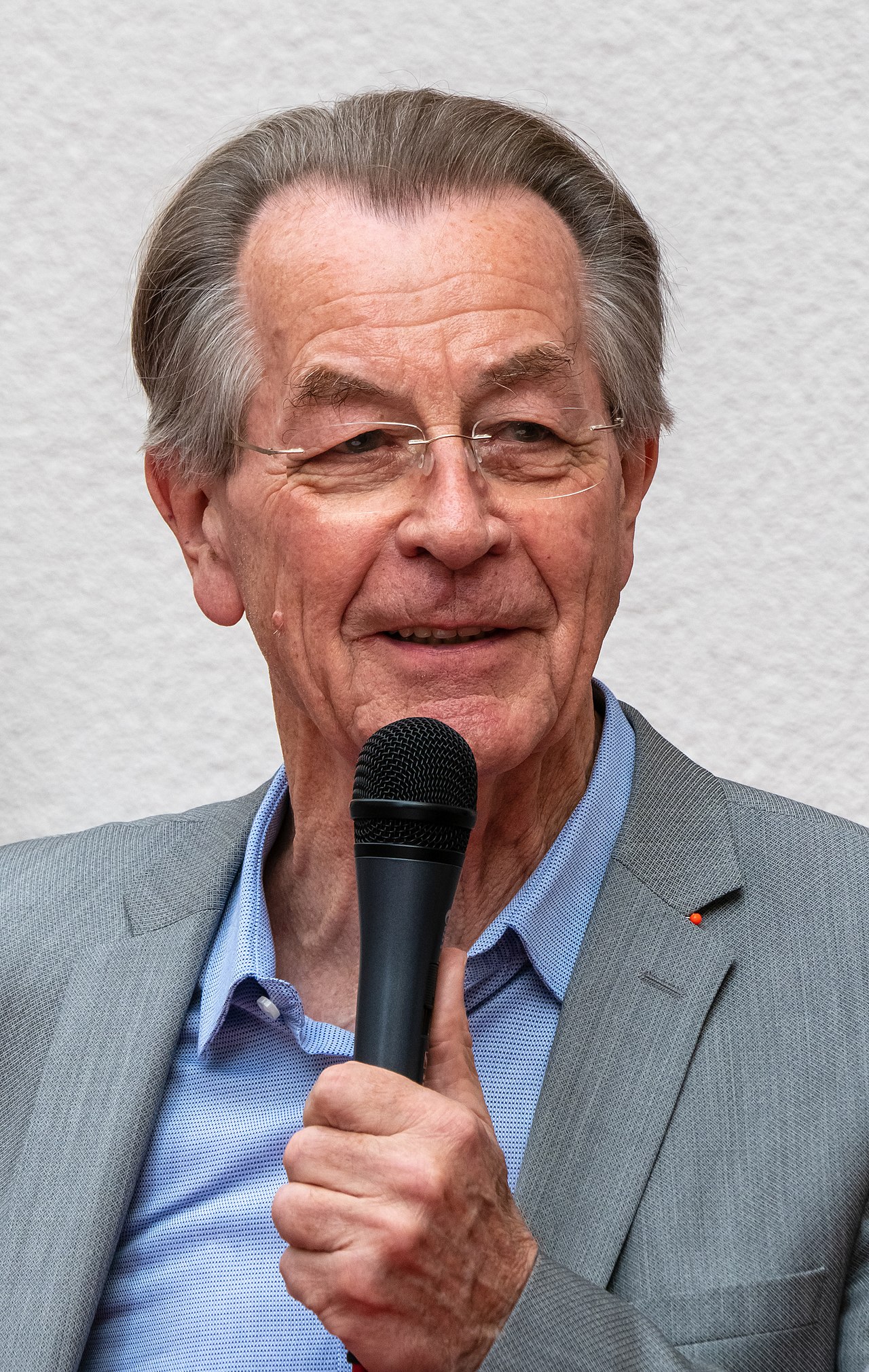


Role and constitutional basis
Under the imperial constitution of 1871 the Reich Chancellor served as the Emperor's chief minister and presided over the imperial government. He was formally appointed by the monarch, accountable to the Emperor rather than to the Reichstag, and often acted as an intermediary between the imperial and the state (Land) governments. In the republican Weimar constitution the chancellor became a parliamentary figure: appointed by the President but reliant on Reichstag support, subject to confidence votes, and empowered to lead the cabinet. During the 1930s the office was transformed into an instrument of authoritarian rule, ending the institutional checks that had existed under the Weimar framework.
Development and historical phases
In the German Empire the first and most influential Reich Chancellor was Otto von Bismarck, who established the office's initial practice and exercised strong executive leadership. Other imperial chancellors included Leo von Caprivi, Chlodwig zu Hohenlohe-Schillingsfürst, Bernhard von Bülow, Theobald von Bethmann Hollweg, Georg Michaelis, Georg von Hertling, and Max von Baden. Their authority depended on imperial confidence and the balance of power among conservative elites, the army and regional princes.
After 1918 the transition to the Weimar Republic made the chancellor a central figure in parliamentary government. Prominent republican chancellors were Friedrich Ebert (who also led revolutionary councils briefly), Philipp Scheidemann, Gustav Bauer, and figures such as Gustav Stresemann and Hermann Müller. The period also saw chancellors from centrist and conservative parties, including Hans Luther, Heinrich Brüning, Franz von Papen and Kurt von Schleicher; political instability, coalition politics and emergency measures under Article 48 weakened parliamentary norms.
Nazi era and abolition
In January 1933 Adolf Hitler was appointed Reich Chancellor and used that office, together with the presidency and emergency legislation, to establish one-party rule and dismantle democratic institutions. The post of Reich Chancellor remained the formal head of government until the collapse of the Nazi state in 1945. After World War II the Basic Law for the Federal Republic created the modern office of Federal Chancellor (Bundeskanzler), replacing the older Reich institutions.
Notable distinctions and legacy
Key distinctions concern appointment and accountability: imperial chancellors served at the Emperor's pleasure; Weimar chancellors depended on parliamentary confidence and presidential appointment; under Nazism the office became the vehicle for dictatorial power. The history of the Reich Chancellor illustrates how constitutional design, party politics and extraconstitutional practice shape executive authority. Scholarly and public interest in the office focuses on figures such as Bismarck and the pivotal years around 1918–1933, when democratic structures were created, stressed, and ultimately destroyed.
Representative list (selected)
- Otto von Bismarck — first imperial chancellor and architect of unification
- Leo von Caprivi — late 19th-century imperial minister
- Theobald von Bethmann Hollweg — imperial chancellor during the early years of World War I
- Friedrich Ebert — leader in the 1918–19 revolutionary period and early republic
- Gustav Stresemann — short-term chancellor and later foreign minister in the Weimar era
- Heinrich Brüning, Franz von Papen, Kurt von Schleicher — chancellors of the unstable late Weimar years
- Adolf Hitler — appointed Reich Chancellor in 1933 and transformed the office into a tool of dictatorship (see Nazi Germany)
For further reading on constitutional changes, individual officeholders, and the transition to the Federal Republic, consult dedicated historical and legal studies. Short biographical or institutional entries are often linked from national archives and academic resources about the history of Germany.
Questions and answers
Q: Who was the first Reich Chancellor of Germany?
A: Otto von Bismarck was the first Reich Chancellor of Germany, serving from 1871-1890.
Q: What party did Friedrich Ebert belong to?
A: Friedrich Ebert belonged to the Social Democratic Party (SPD).
Q: How long did Wilhelm Cuno serve as Reich Chancellor?
A: Wilhelm Cuno served as Reich Chancellor for one year, from 1922-1923.
Q: Who succeeded Wilhelm Marx as Reich Chancellor in 1926?
A: Gustav Geßler succeeded Wilhelm Marx as Reich Chancellor in 1926.
Q: Who was the last non-Nazi German chancellor before Adolf Hitler came to power?
A: Kurt von Schleicher was the last non-Nazi German chancellor before Adolf Hitler came to power, serving from 1932-1933.
Q: What party did Gustav Bauer belong to?
A: Gustav Bauer belonged to the Social Democratic Party (SPD).
Q: How many different people served as Reich Chancellors during Nazi Germany?
A: Only one person served as a Reich Chancellor during Nazi Germany - Adolf Hitler.
Related articles
Author
AlegsaOnline.com Reich Chancellor (Reichskanzler): office, history and significance Leandro Alegsa
URL: https://en.alegsaonline.com/art/81935