
Reed College — private liberal arts college in Portland, Oregon
Reed College, founded 1908 in Portland, Oregon, is a private liberal arts college noted for its rigorous academics, senior thesis requirement, high Ph.D. placement, independent student culture, and unique research facilities.
Reed College is a private liberal arts institution founded in 1908 and opened to students in 1911. Located in Portland, Oregon, Reed focuses on undergraduate education and general liberal arts training, emphasizing close faculty-student interaction and independent scholarship. The college is often associated with intensive coursework, a small campus community and a distinctive student identity: undergraduates are commonly called "Reedies," and the institution is known for an intellectual, nonconformist culture.
Academically, Reed centers its undergraduate experience on sustained inquiry. A defining element of the curriculum is an independent senior thesis or equivalent capstone project, which requires students to conduct original research and produce a substantial written work. Small seminars, laboratory work, and an advising system complement formal instruction. Reed graduates pursue advanced study at high rates compared with many peers; a notable share go on to earn Ph.D. degrees, reflecting the college's emphasis on research skills and preparation for graduate programs.
Campus life at Reed is shaped by academic intensity and a commitment to self-governance. The college maintains an Honor Principle that guides conduct and academic integrity, and it is formally secular. Reed does not host traditional fraternity or sorority systems and fields relatively few varsity athletics teams compared with larger universities; instead many students engage in independent clubs, arts initiatives, and interdisciplinary projects. Student humor and critique are part of campus culture, and lighthearted or ironic slogans sometimes circulate among students.
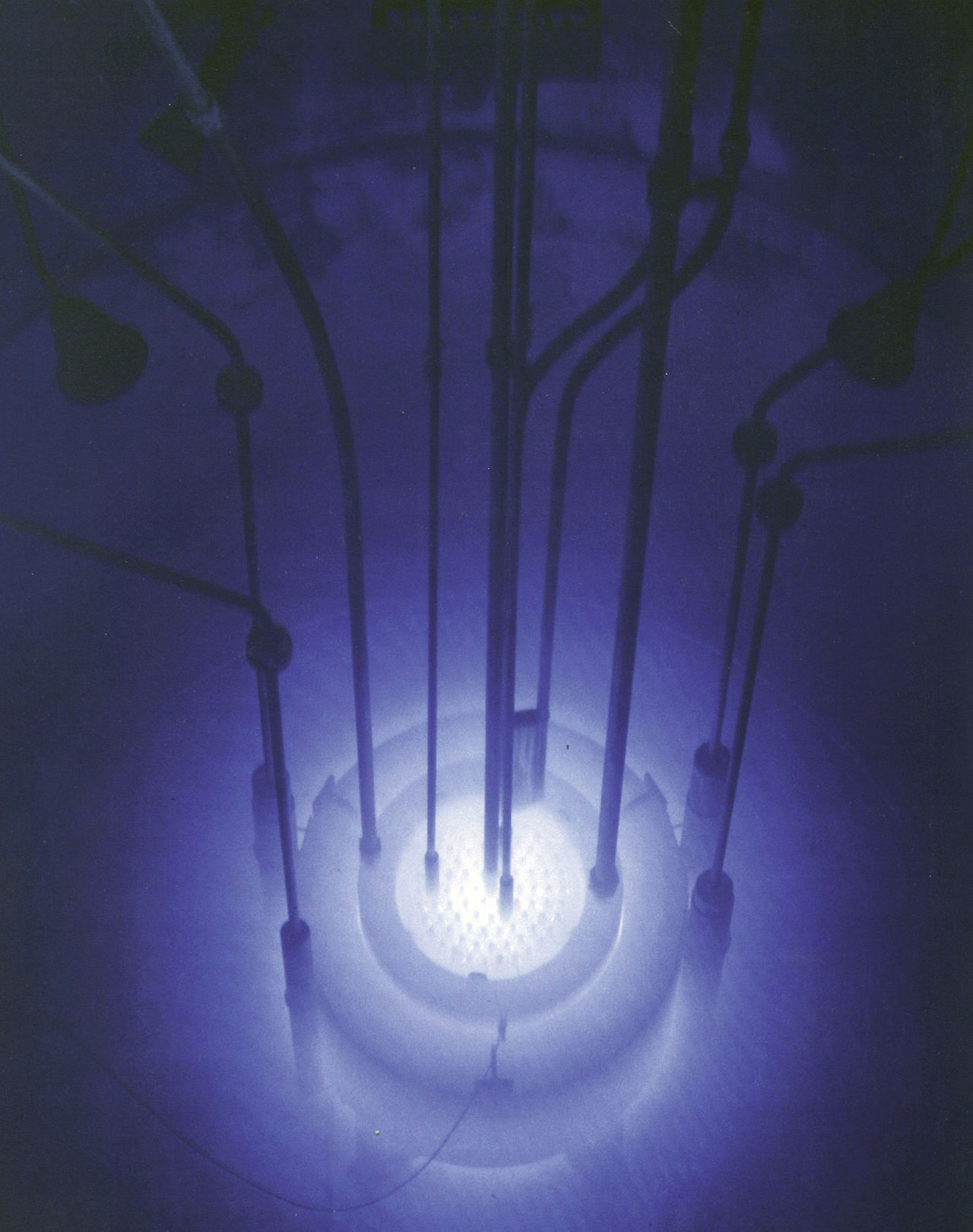
The physical campus includes classrooms, libraries, studio spaces and science facilities that support both teaching and research. Reed is distinctive among small private liberal arts colleges for operating an on-campus research reactor used in education and scientific training. Laboratories, collections and campus archives support the range of disciplines taught at the college, from the humanities to the natural sciences.
Historically, Reed developed as an independent liberal arts college with a reputation for academic rigor. Over the decades it has cultivated strong undergraduate programs and a reputation for producing scholars and researchers. Admission is selective and the community retains a strong focus on intellectual life, faculty mentorship, and sustained student projects that often continue into graduate study or professional work.
Notable distinctions include Reed's sustained emphasis on original student research, a culture of academic seriousness mixed with countercultural quirks, and a record of alumni who pursue advanced degrees. While tuition and financial practices change over time, Reed remains a private, secular college that prioritizes undergraduate scholarship and close faculty engagement.
Image gallery
10 Images



Quick facts and references
- Type of institution: private liberal arts college
- Educational level: undergraduate-focused college
- City: Portland
- State: Oregon
- Primary focus: undergraduate education
- Graduate outcomes: a high proportion of graduates pursue Ph.D. study
- Facilities: on-campus research reactor used for education and training
- Religious affiliation: secular
- Greek life: no traditional fraternities or sororities
- Campus sayings: student humor sometimes references an unofficial "motto"
- Cultural jokes: "Communism" (part of some ironic slogans)
- Cultural jokes: "Atheism" (part of some ironic slogans)
- Cultural jokes: "Free Love" (part of some ironic slogans)
If you are seeking more information about Reed's programs, admission, campus life, or research facilities, consult official college materials or contact the institution directly for current details and data.
Related articles
Author
AlegsaOnline.com Reed College — private liberal arts college in Portland, Oregon Leandro Alegsa
URL: https://en.alegsaonline.com/art/81774
Sources
- reedquest.org : Reed Endowment Bigger than Ever
- reed.edu : Reed College - Reed At A Glance
- pamplinmedia.com : "Still mayor to many"