
Robert College — historic American high school in Istanbul
Robert College is a private, English-medium secondary school in Istanbul founded in 1863; historically influential in Ottoman and Turkish education and noted for its campuses, alumni and academic reputation.
Overview
Robert College, commonly abbreviated RC, is a long-standing private American educational institution operating as a prominent secondary school in Istanbul, Turkey. Established in 1863, the school has a reputation for a rigorous college-preparatory curriculum delivered primarily in English and for producing graduates who have played visible roles in Turkish public life, culture and the professions.
Image gallery
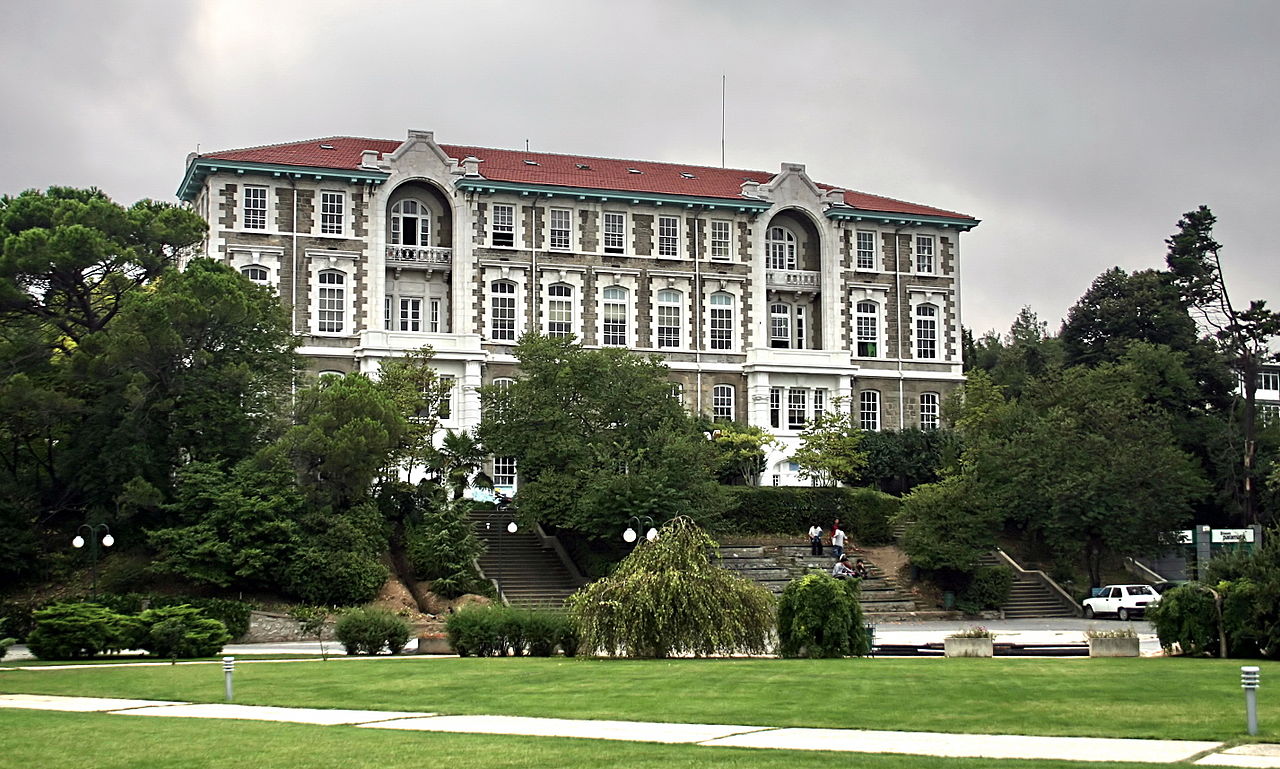
10 Images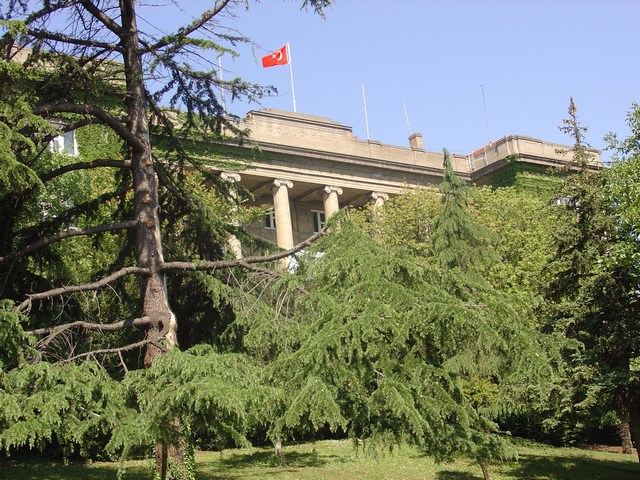




Founding and early development
Robert College was founded in 1863 with the initiative of the American educator Cyrus Hamlin and financial support from Christopher Rhinelander Robert. Its creation took place during the Ottoman Empire and it is widely regarded as among the first American-style institutions established beyond the United States. Throughout the 19th century the school expanded its programs, adding secondary and preparatory divisions and adapting to the changing social context of the region.
Campuses and institutional change
Historically Robert College operated on two principal campuses, commonly referred to as the Bebek (often called the boys' campus) and the Arnavutköy (the girls' campus). In 1971 the institution transferred one of these campuses to the Turkish state; that site subsequently became the foundation for a public university. The other campus continued as the independent high school now known simply as Robert College and functions as a coeducational institution.
Role after 1923 and notable alumni
After the establishment of the Republic in 1923, Robert College continued to influence Turkish education by educating students from diverse backgrounds, including members of minority communities and, later on, students from the Muslim majority. Over time its alumni have included people who rose to national prominence, such as the statesman Bülent Ecevit and the economist and politician Tansu Çiller, underscoring the school's role as a formative institution for leaders in public life.
Educational character and legacy
Robert College combines tradition with a modern, international outlook. Instruction is primarily in English and the academic program emphasizes humanities, natural sciences and languages alongside extracurricular activities. Its graduates matriculate to universities in Turkey and abroad, and the school's alumni network contributes to its long-standing reputation. The institution is often cited as a model of how a private, mission-founded school adapted over time to the social and political transformations of the region.
Key facts and distinctions
- Founded in 1863 by American educators and philanthropists.
- Origins date to the Ottoman period; continued operation after the formation of the modern Turkish state.
- Historically maintained separate campuses; a campus transfer occurred in 1971.
- Known for English-medium instruction, a broad academic program and a strong alumni network.
- Associated with the expansion of modern secondary education in the region during the 19th century and later developments in the Republic.
For readers seeking more information about Robert College’s present-day programs, admissions and recent history, institutional resources and alumni associations provide detailed accounts and archival material. The school’s long trajectory—from its 19th-century origins through major 20th-century transitions and its continuing role in contemporary education—makes it a notable case in the history of international schooling and private education in Turkey.
Further reading and primary documentation can be found through institutional histories and scholarly treatments of missionary and American-style schools abroad, which explore how such schools navigated cultural change, reforms and the shifting demands of national education systems.
Questions and answers
Q: What is Robert College?
A: Robert College is an American high school in Istanbul, Turkey. It is the most prestigious, private high school in Turkey.
Q: Who founded Robert College?
A: Robert College was founded by Cyrus Hamlin, with the financial help of Christopher Rhinelander Robert, in 1863 (during the Ottoman Empire).
Q: When was it founded?
A: Robert College was founded in 1863 (during the Ottoman Empire).
Q: Was it originally a boys' college?
A: Yes, initially it was a boys' college for Christian minority of the empire. Later on, girls were allowed to be educated there as well.
Q: Who became the first Muslim boy to graduate from college?
A: Hüseyin Pektaş became the first Muslim boy to graduate from college.
Q: What happened after 1923 when Republic of Turkey was established?
A: After 1923 when Republic of Turkey was established, Robert College continued to educate young people who later became leaders of the country. Prime ministers Bülent Ecevit and Tansu Çiller are among its graduates.
Q: What happened to one of its campuses in 1971?
A: In 1971, one of its two campuses (Boys' campus or Bebek campus) was donated to Republic of Turkey and a new public university was established there while other campus (Girls' campus or Arnavutköy campus) has since been serving as coeducational high school.
Related articles
Author
AlegsaOnline.com Robert College — historic American high school in Istanbul Leandro Alegsa
URL: https://en.alegsaonline.com/art/83285