
Red Deer, Alberta: Central Alberta City on the Red Deer River
Overview of Red Deer, a city in central Alberta, Canada: location, geography, history, economy, culture, and transport, with key facts and links to further resources.
Red Deer is a mid-sized city in central Alberta, in the heart of Canada. Positioned roughly halfway between Calgary and Edmonton along a major north–south highway corridor, the city grew around the Red Deer River and serves as an economic and service hub for the surrounding rural area. At the time of the 2011 census the population was recorded as 90,564; the community has continued to grow since that count.
Image gallery
6 Images


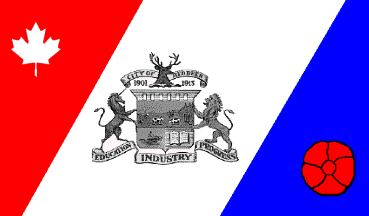


Geography and climate
Red Deer lies in the prairie-parkland transition zone and is centred on the Red Deer River valley. The landscape mixes agricultural fields, riverine parkland and urban neighbourhoods. Summers tend to be warm and winters cold, reflecting a continental climate with significant seasonal variation. Extensive trails and parks follow the river and provide habitat corridors within the city.
Origins and development
The area around Red Deer has long been used by Indigenous peoples and later became a focal point for European-Canadian settlers during the late 19th century. Settlement and growth were stimulated by agriculture, the arrival of rail transport and later by road connections. The city’s name refers to the large deer—commonly called "red deer" or elk—that frequented the river valley.
Economy and institutions
Red Deer’s economy is diverse for its size, with agriculture, light manufacturing, retail, health services and energy-related commerce all contributing. The city hosts regional facilities for healthcare and education, including post-secondary institutions and vocational training that serve central Alberta. Municipal services and a business park sector support both local firms and regional operations.
Culture, recreation and notable features
The city offers museums, performing arts venues, seasonal festivals and sports programs. Riverside parks, pathways and conservation areas are important for recreation and community events. Local heritage sites and public art reflect Red Deer’s development from a river settlement into a regional centre.
Transport and quick facts
- Located mid-way between Calgary and Edmonton on a primary highway corridor.
- Served by regional road and rail links and a municipal airport for general aviation.
- Population recorded at 90,564 in 2011; the city has experienced steady growth since.
- Functions as a commercial, health and educational hub for central the province.
For further local information, municipal services and visitor details consult the city’s official resources and regional tourism guides.
Related articles
Author
AlegsaOnline.com Red Deer, Alberta: Central Alberta City on the Red Deer River Leandro Alegsa
URL: https://en.alegsaonline.com/art/81647