
Nat Turner: leader of the 1831 Southampton slave rebellion
Nat Turner (1800–1831) was an enslaved African American preacher who led a violent 1831 uprising in Southampton County, Virginia. His revolt, trial, execution and legacy remain subjects of historical study and debate.
Overview
Nathaniel "Nat" Turner (October 2, 1800 – November 11, 1831) was an African American enslaved person who became known for leading an armed insurrection in 1831. As an enslaved man and a recognized slave preacher, Turner combined a strong religious conviction with an acute sense of injustice to inspire followers. He described himself as a preacher whose interpretations of Scripture guided his decisions; contemporaries often identified his leadership as both spiritual and political. Some accounts emphasize his religious authority within his community as well as his ability to organize people under extreme risk.
Image gallery
3 Images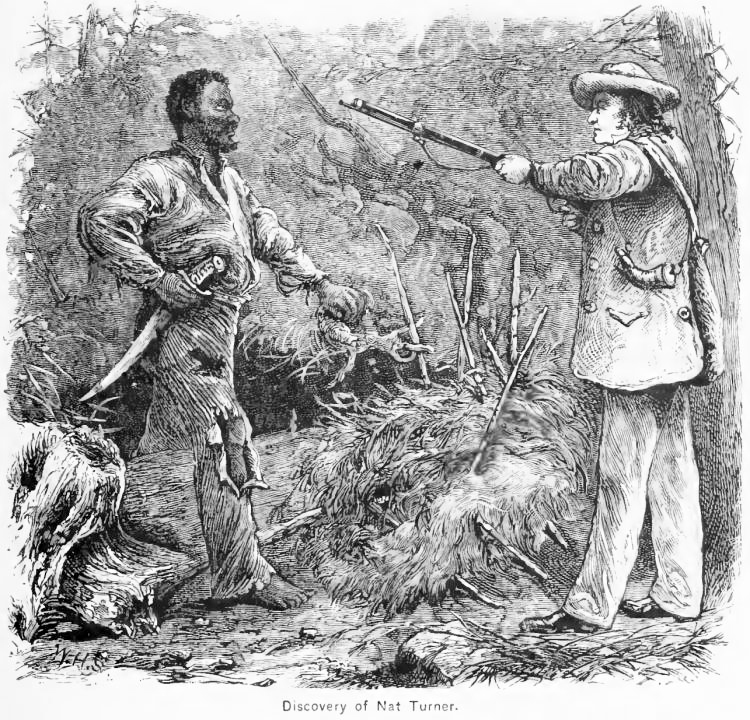

Early life and beliefs
Born into bondage in Southampton County, Turner had limited formal education but was known for intense religious experiences. He reported visions and signs which he attributed to God, and those visions influenced his actions. In early 1831, a solar eclipse and other events were interpreted by Turner and some contemporaries as providential signals to act; he later believed that a particular sequence of visions and signs made a revolt necessary. Turner escaped briefly as a young man and spent time hiding, an episode that contributed to his reputation for daring.
The 1831 uprising
On August 21, 1831, Turner led a small group of armed Black men in a rebellion that began in Southampton County and unfolded within Virginia. The insurgents moved from plantation to plantation, killing slaveholders and their families and seizing weapons and horses. The rising grew to include dozens of participants—some enslaved, some free—and produced intense fear across the region. Local planters called up militias and white citizens; within a short time, soldiers and posses suppressed the revolt. Turner went into hiding after the main engagement but was captured weeks later, tried and executed.
Aftermath and immediate consequences
The rebellion and the reprisals that followed resulted in a contested toll. Contemporary tallies attribute the deaths of many white residents to the uprising; white militias and mobs killed a considerably larger number of Black men, women and children in punitive actions. Some reports at the time described Turner as reputedly mutilated after execution, though accounts differ. Courts and authorities held numerous legal proceedings: a number of suspected conspirators were tried, while some accused individuals were later acquitted. The disturbance had reverberations beyond Virginia, with officials in neighboring states such as North Carolina reporting investigations into possible links.
Laws, social change and memory
In the months after the revolt, Virginia and other Southern legislatures tightened restrictions on the movement, assembly and education of both enslaved people and free Black residents. New statutes limited teaching of literacy and curtailed religious meetings without white supervision; these legal changes aimed to reduce the perceived threat of organized resistance and were often justified as measures of public safety. Historians note that the long-term effects included increased repression as well as more intense sectional tensions that contributed to the politics leading up to the Civil War. The authorities’ response is often summarized in references to new laws and bans on teaching literacy to enslaved people.
Interpretations, sources and legacy
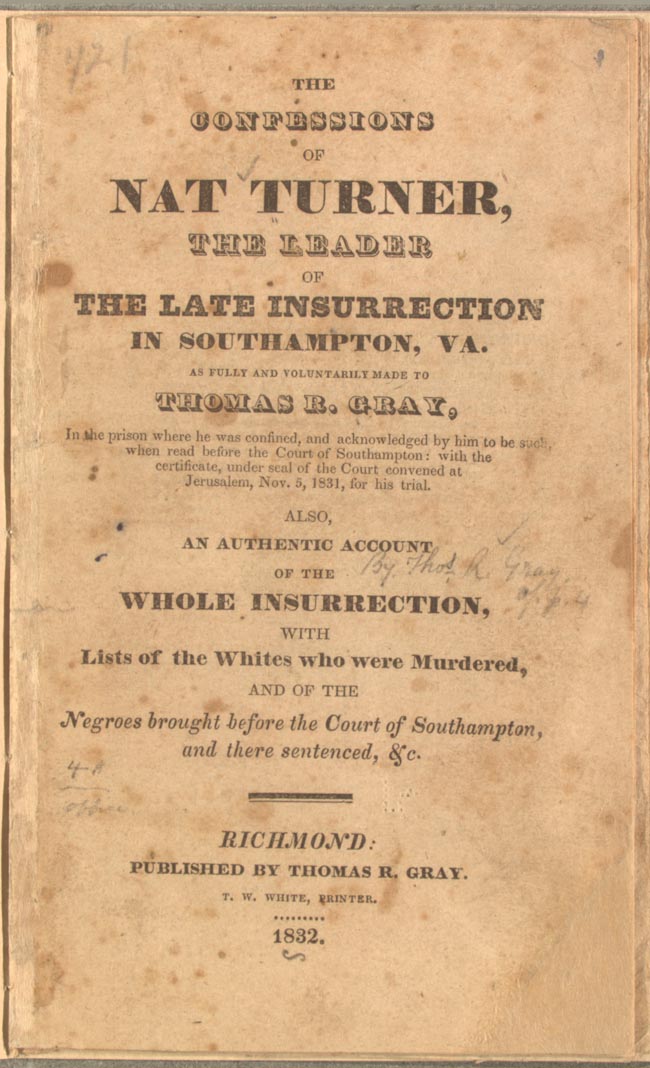
Nat Turner’s life and the revolt have been examined from many angles: as an episode of anti-slavery resistance, as a religiously driven act, as an instance of violent upheaval and as a catalyst for harsher proslavery measures. The best-known contemporary document about Turner is a posthumous statement published as his confessions, which was recorded and edited by a white lawyer; historians debate how much of that text reflects Turner’s own voice and how much reflects interviewers’ shaping. Scholarship has sought to place Turner in the broader history of resistance by enslaved people while acknowledging the complexity of violent rebellion and its costs. His place in public memory remains contested: some view him as a freedom fighter, others emphasize the violence of the uprising, and many scholars treat him as a central figure for understanding the moral and political tensions of antebellum America. For primary and secondary materials, readers can consult a range of scholarly treatments and archived documents about the rebellion and its significance.
- Key facts: birth 1800; uprising August 1831; capture October 1831; execution November 1831.
- Locations and institutions involved include Southampton County, statewide Virginia responses and regional investigations (North Carolina).
- Contemporary sources and later interpretations remain important; see records of trials, local newspapers and collected testimonies from the period.
Questions and answers
Q: Who was Nat Turner?
A: Nat Turner was an American slave and Christian preacher who believed God gave him visions.
Q: How old was Nat Turner when he escaped from his master?
A: Nat Turner was 21 years old when he escaped from his master Samuel Turner.
Q: What did the vision tell Nat to do?
A: The vision told Nat to "return" and plan a slave rebellion.
Q: When did the rebellion take place?
A: The rebellion took place in Southampton County, Virginia on August 21, 1831.
Q: How many people were involved in the rebellion?
A: Seventy black people were involved in the rebellion; some of them were free and others were slaves.
Q: How long did the violent rebellion last?
A: The violent rebellion lasted two days until soldiers finally ended it.
Q: What happened as a result of the rebellion?
A: As a result of the rebellion, at least 55 white people were killed, 200 black people were killed by groups of white people, new laws were made in Virginia prohibiting bringing black people together to teach them how to read and write, and many slaves as far away as North Carolina were tried and executed for being connected with the revolt.
Related articles
Author
AlegsaOnline.com Nat Turner: leader of the 1831 Southampton slave rebellion Leandro Alegsa
URL: https://en.alegsaonline.com/art/68472
Sources
- biography.com : "Nat Turner"
- voyager.dvc.edu : "Nat Turner's Confession"
- aaregistry.org : "Nat Turner leads slave rebellion"
- history.com : "10 Things You May Not Know About Nat Turner's Rebellion"
- learnnc.org : "nat turner rebellion"
- history.com : "Nat Turner - Black History - HISTORY.com"
- pbs.org : "Nat Turner's Rebellion"
- lva.virginia.gov : "Nat Turner's Rebellion"