
Ready to Die — debut album by The Notorious B.I.G.
Ready to Die is the 1994 debut studio album by The Notorious B.I.G., a landmark in East Coast hip hop noted for its storytelling, hit singles, and lasting influence on 1990s rap.
Overview
Ready to Die is the first studio album by American rapper The Notorious B.I.G., released on September 13, 1994, by Bad Boy Records in partnership with Arista. The record introduced Christopher Wallace's stage persona—Biggie Smalls—and combined autobiographical storytelling with street-level realism and radio-friendly singles. It established him as a central figure in a mid-1990s East Coast hip hop resurgence and remains widely cited as one of the era's most influential debut albums.
Image gallery
2 Images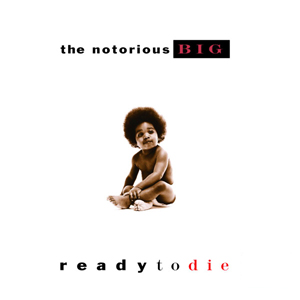

Music, themes, and notable tracks
The album mixes cinematic narratives and vivid detail with varying musical backdrops, from sparse boom-bap beats to smoother, R&B-leaning tracks. Lyrical themes include poverty, violence, ambition, mortality, and relationships. Several tracks became enduring songs in hip hop culture: "Juicy" is often remembered as an aspirational rags-to-riches anthem; "Big Poppa" showcased a more laid-back, mainstream sound; "One More Chance" and "Warning" further demonstrated Biggie's storytelling range and charisma.
Production and collaborators
Production on Ready to Die was handled by a group of East Coast producers and studio musicians, with Sean "Puff Daddy" Combs serving in an executive role and contributing to the album's commercial direction. The record uses prominent samples and layered arrangements typical of early 1990s hip hop, balancing street-oriented tracks with songs engineered for broader radio appeal. Guest appearances and backing vocalists helped create a textured, varied listening experience across the record.
Reception and legacy
Upon release, Ready to Die received strong critical acclaim for its lyrical skill, narrative detail, and Biggie's compelling delivery. It achieved significant commercial success and drove Bad Boy Records into the mainstream. The album has appeared on several retrospective "best of" lists, including rankings by major music publications and cultural outlets. Its influence is evident in subsequent generations of rappers who cite Biggie's storytelling, flow, and persona as foundational.
Distinctions and notable facts
- The album was the only studio LP released during Wallace's lifetime; his second album, Life After Death, arrived after his death in 1997—see Life After Death for that record.
- A single from the album, "Big Poppa," was nominated for a Grammy for Best Rap Solo Performance, competing in the mid-1990s music awards season—see coverage about that nomination and its outcome at related sources.
- Ready to Die has been included on several lists and retrospectives compiled by major outlets; for example, it has been featured in long-form rankings by noted music magazines and cultural commentators—see one such list and another compilation.
Why the album matters
Ready to Die is frequently discussed as a defining statement of 1990s East Coast hip hop because it fused raw, autobiographical lyricism with commercially effective production. The record helped cement The Notorious B.I.G.'s reputation as a master storyteller and stylist, influencing both contemporaries and later artists. For listeners and scholars of hip hop, the album remains a central reference point for debates about authenticity, narrative technique, and the changing commercial landscape of rap music in the 1990s. For more background on the artist and his early career, consult an artist overview here.
Selected tracks
- Juicy
- Big Poppa
- One More Chance
- Warning
Ready to Die continues to be studied and celebrated for its combination of personal detail, vivid characters, and the contrast between grim subject matter and polished singles—a tension that helped define its lasting impact on hip hop.
Related articles
Author
AlegsaOnline.com Ready to Die — debut album by The Notorious B.I.G. Leandro Alegsa
URL: https://en.alegsaonline.com/art/81454