
Reboot (fiction): restarting and reimagining an existing fictional universe
A reboot is a deliberate restart of a fictional property that resets continuity to retell, reframe, or redesign characters and settings. Appears across film, television, comics and games and differs from remakes and revivals.
A reboot is a deliberate narrative restart of an established fictional universe that discards, replaces, or sidelines earlier continuity to tell a new story about familiar characters, settings, or themes. A reboot typically preserves core recognisable elements — a character name, emblem, or basic premise — while replacing backstory, relationships, or canonical events. Creators may intend a reboot as a creative rebirth, a commercial relaunch, or a legal reset; the effect is a new accessible entry point for audiences unacquainted with prior continuity. See a general overview of related fictional universes: fictional universe.
Image gallery
1 Image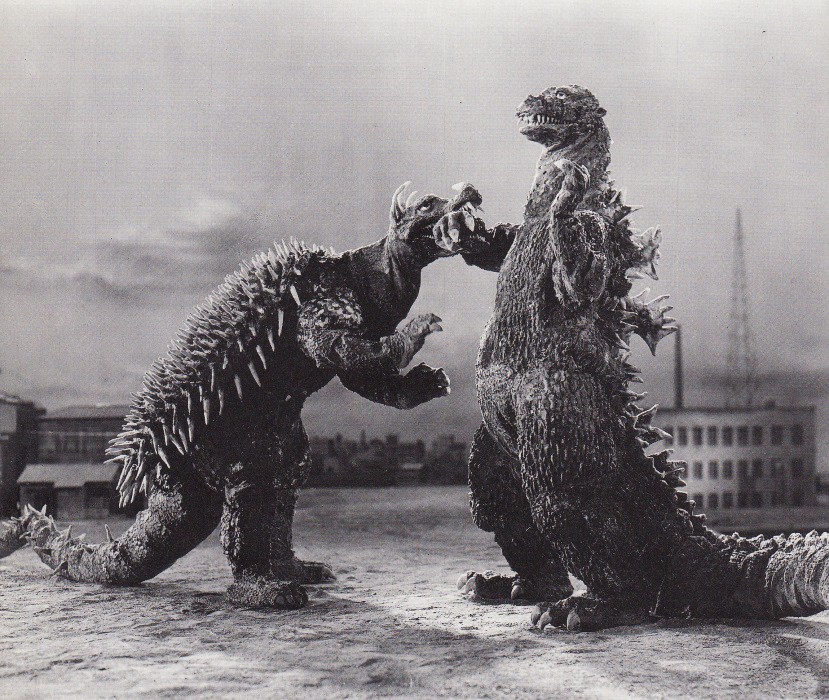
Key characteristics
Common features of reboots include a revised origin, altered tone or era, redesigned visual identity, and an independence from earlier narrative arcs. Some reboots present alternate timelines or coexist as separate continuities, while others supplant prior versions in marketing and subsequent works. Unlike a simple update in effects or production values, a reboot is a structural retelling that changes what counts as canonical.
Types and terms
- Hard reboot: previous continuity is effectively erased and the story starts anew.
- Soft reboot: earlier continuity is partly retained, but stories are reoriented so new viewers can join without full knowledge of the past.
- Reimagining: characters, genres, or settings are significantly altered to explore different themes or audiences.
Why creators choose reboots
Reboots are used to resolve continuity that has become convoluted, to modernize themes and technology, to respond to shifting audience expectations, or to consolidate ownership and licensing after corporate changes. They can relaunch a brand after a long hiatus, allow different creative teams to explore new directions, or provide a clearer entry point for new fans.
Examples across media
In film, Batman Begins reestablished Batman with a darker, more realistic tone distinct from earlier cycles associated with directors like Tim Burton and Joel Schumacher. In video games, DmC: Devil May Cry offered a redesigned protagonist and a new setting while keeping the series name and some thematic elements. Comic books regularly relaunch volumes to simplify decades of continuity. Television reboots may reset entire casts or restart a franchise with a new creative approach.
Reboots versus remakes, revivals, and retcons
Reboots are often confused with remakes or revivals, but distinctions matter. A remake retells a specific earlier story (the same plot or sequence) with updated presentation or cast; for example, the James Bond landscape includes the unusual case of Never Say Never Again, which revisited the plot of an earlier film in the same era of production. The broader Bond character (James Bond) has been interpreted many times rather than continuously rebooted along a single timeline. A remake in games such as Metroid: Zero Mission preserves the original game's narrative while adding content and modern mechanics, rather than severing continuity as a reboot would.
Reception and cultural impact
Reboots can rejuvenate interest and bring properties to new audiences, but they also run the risk of alienating long-term fans who value established continuity. Critical and fan reception often hinges on whether a reboot preserves the spirit of the original while offering meaningful innovation. Successful reboots balance respect for source elements—character traits, themes, iconography—with fresh perspective.
Practical considerations
Producers and writers contemplating a reboot must weigh franchise legacy, legal rights, audience familiarity, and long-term plans for sequels or shared universes. Marketing must clarify whether a new project is a continuation, a separate timeline, or a full reset to avoid confusion. Some reboots are intentionally open to later integration with other continuities; others create wholly separate brands.
Further reading and case studies
Detailed case studies explore how individual reboots handled origin stories, casting choices, and tone shifts. For a focused discussion of reboot strategies and industry context, see further discussion. For representative examples across media, consult pages on Batman Begins, DmC: Devil May Cry, and franchise histories that include unusual remakes such as Never Say Never Again and reissues like Metroid: Zero Mission. Consider also reading about the character evolutions exemplified by James Bond and the directorial contrasts between creators such as Tim Burton and Joel Schumacher.
Understanding reboots clarifies why familiar characters sometimes undergo radical change, and why creators may choose to rewrite origins rather than extend existing narratives. This helps audiences evaluate reinterpreted works on their own terms while recognizing legacy influences and production motivations.
Related articles
Author
AlegsaOnline.com Reboot (fiction): restarting and reimagining an existing fictional universe Leandro Alegsa
URL: https://en.alegsaonline.com/art/81536