
Life After Death (The Notorious B.I.G. album)
Life After Death is the second and final studio album by the Notorious B.I.G., released in March 1997 as a double album. It was issued shortly after his death and features hit singles and multiple Grammy nominations.
Life After Death is the second and final studio album by American rapper The Notorious B.I.G.. Issued as a two-disc set in March 1997, it followed his debut Ready to Die and expanded on themes of street life, fame, wealth and mortality. The record combined cinematic storytelling and mainstream production, and quickly became one of the most discussed hip-hop releases of the late 1990s.
Image gallery
1 Image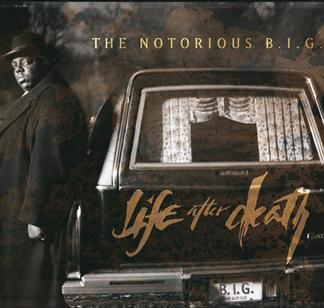
Overview and structure
Presented as a double album, Life After Death mixes hard-edged narratives with radio-ready singles. Its sequencing contrasts gritty, autobiographical tracks with songs that foreground glossy production and guest appearances. The two-disc format allowed for a broader sonic palette and thematic range than many contemporary hip-hop albums of its time.
Recording, guests and themes
The sessions brought together established collaborators and artists associated with the same label and scene. Lyrical topics move between violence, survival and the rewards and risks of success. Musically, the album blends samples, dramatic orchestration and club-oriented beats to balance street-oriented storytelling with crossover appeal.
Release, death and reception
Life After Death was released shortly after the artist was killed in a drive-by shooting. Its appearance on the charts and presence in the media were shaped by that timing, with listeners and critics considering the album in the light of his passing. It produced several commercially successful singles and earned multiple award nominations, reflecting both critical notice and popular demand.
Singles and accolades
- Notable singles include mainstream hits that received heavy radio play and significant chart attention.
- The album was nominated for multiple Grammy Awards, including categories recognizing both the album and its singles.
- It achieved strong sales and longstanding recognition in lists of influential hip-hop records.
Legacy and distinctions
Life After Death is often cited as a landmark double album in hip-hop, significant for its scope, ambition and the bittersweet context of its release. It helped define the late-1990s sound of mainstream rap and has continued to be discussed in retrospectives about the artist's career and the era. For additional context on the artist and album, see broader biographies and discographies available through music references and archival sources (more on the artist).
The album's mix of raw street narrative and commercial polish made it a commercial and cultural touchstone. Its songs remain frequently referenced in discussions of 1990s hip-hop and the ways an artist's death can frame the reception and interpretation of a final work.
Related articles
Author
AlegsaOnline.com Life After Death (The Notorious B.I.G. album) Leandro Alegsa
URL: https://en.alegsaonline.com/art/57874