
Red Clay Creek
A Mid-Atlantic stream running from southeastern Pennsylvania into northern Delaware, Red Clay Creek is a tributary of White Clay Creek with historical, ecological, and recreational significance.
Overview
Red Clay Creek is a freshwater stream that flows through parts of Pennsylvania and Delaware in the United States. It is one of the tributaries feeding the White Clay Creek system and joins that watercourse near Wilmington. The creek and its valley have shaped local settlement, industry, and recreation for more than two centuries.
Image gallery
1 Image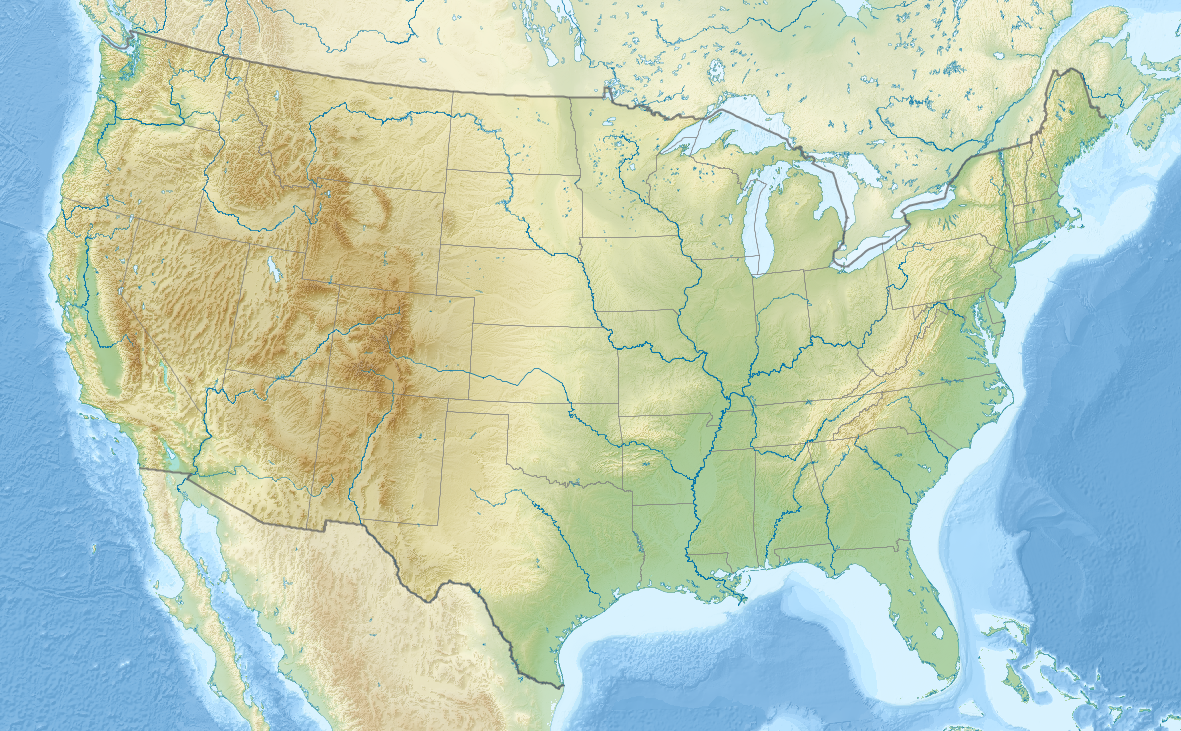
Course and characteristics
The creek rises in the uplands of southeastern Pennsylvania and flows generally southward into northern Delaware. It runs through a narrow, often wooded valley with soils that can be rich in iron and clay—features that likely inspired the stream's name. Along its course the creek receives smaller tributaries, passes old mill sites and road crossings, and eventually meets White Clay Creek, contributing to a larger watershed that drains toward the Delaware Bay.
History and human use
For much of the colonial and early industrial eras, Red Clay Creek provided water power for mills and supported small manufacturing and agricultural settlements. Historic mill foundations, bridges and other 19th-century infrastructure remain visible in places, reflecting the creek's role in regional development. Over time transport corridors and town growth have altered the valley, while some areas retained a rural or semi-rural character.
Ecology and recreation
The creek supports aquatic life typical of Mid-Atlantic streams, including macroinvertebrates and fish species adapted to cooler, flowing water. Local residents use parts of the valley for walking, birdwatching, angling and paddling where conditions allow. Riparian corridors along the stream provide habitat and green space that are valuable for wildlife and for reducing urban runoff.
Conservation and notable points
Conservation groups, municipal agencies and volunteers have worked to monitor water quality, stabilize banks and restore habitat along Red Clay Creek. Efforts focus on reducing pollution from stormwater and improving streamside buffers. The creek is also considered a component of the wider Christina River and Delaware Bay watershed, so local actions influence downstream water quality and ecosystems.
- Key uses: historical mill power, local recreation, habitat supply.
- Notable connections: joins White Clay Creek near Wilmington, part of a larger watershed.
- Conservation priorities: water quality, riparian restoration, flood management.
Related articles
Author
AlegsaOnline.com Red Clay Creek Leandro Alegsa
URL: https://en.alegsaonline.com/art/81643