
Rashtrapati Bhavan — Official Residence of the President of India
Rashtrapati Bhavan is the official residence of India's president in New Delhi. An architectural landmark by Edwin Lutyens, it blends Western and Indian styles and includes extensive gardens, ceremonial spaces and a museum.
Overview
Rashtrapati Bhavan is the official home of the President of India and a prominent landmark in New Delhi. The name means "President's House" and is associated with the Sanskrit concept of a national residence through the term Rashtrapati Bhavan. It serves as both a private residence and the site for official functions associated with the office of the President.
Image gallery
10 Images




Architecture and layout
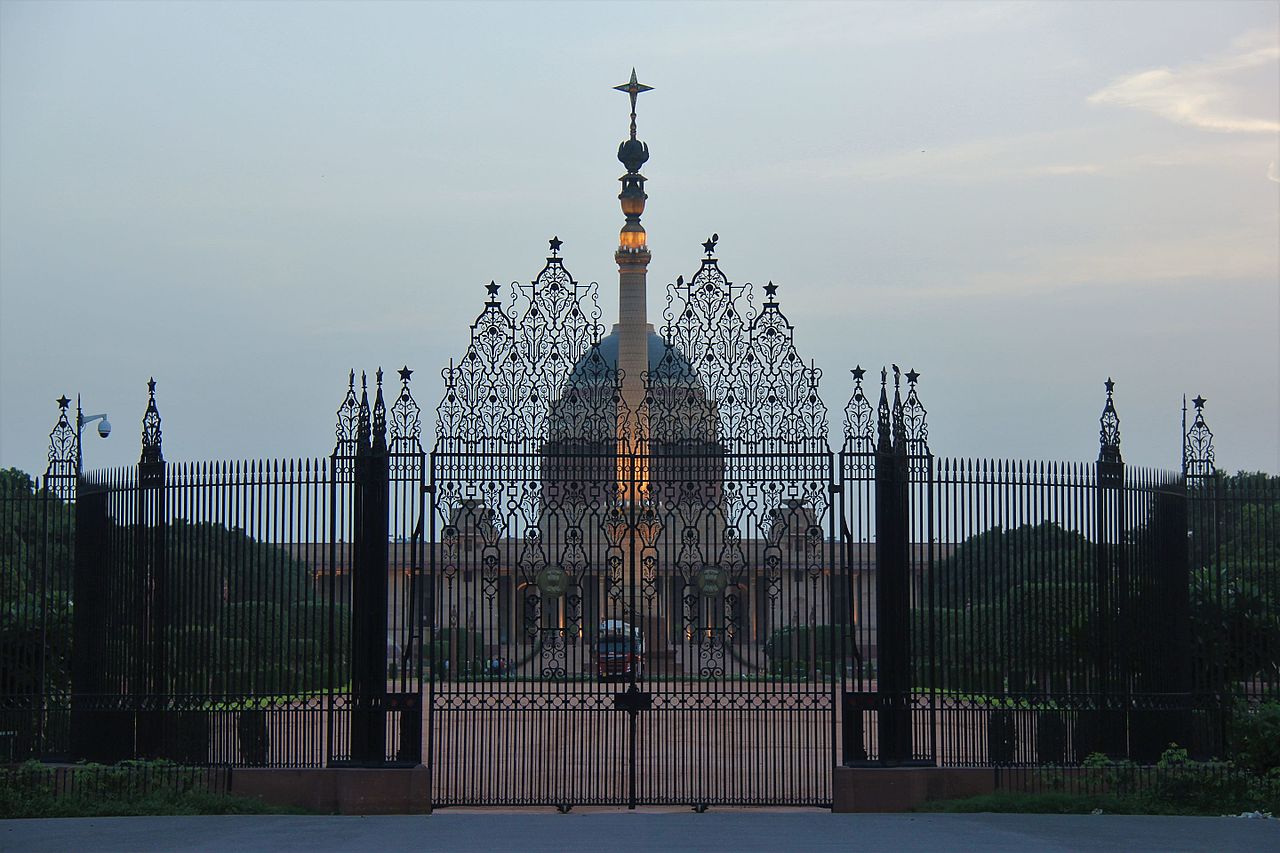
Designed by British architect Sir Edwin Lutyens, the mansion blends classical Western planning with Indian decorative elements. Its central dome and broad verandas reflect a fusion of styles; the complex contains well over three hundred rooms used for living quarters, offices, state reception rooms and guest accommodation. The building sits within an expansive estate that includes formal terraces and tree-lined avenues.
History and development
Originally built during the British colonial period as the Viceroy's House, the structure became the President's official residence after India became a republic. Construction and planning were part of the larger design of New Delhi as the imperial capital; the house has since been adapted for independent India's ceremonial and administrative needs. Notable occupants in recent decades have included national leaders such as Ram Nath Kovind.
Gardens, public access and uses
The Rashtrapati Bhavan estate includes extensive formal gardens, often referred to as the Mughal Gardens, which are designed in a terraced, formal style and opened to the public on special occasions. The mansion hosts state banquets, investiture ceremonies and formal receptions, and parts of the complex are accessible through guided tours and a museum that interprets its history and art.
Notable facts and distinctions
- It is an important example of early 20th-century imperial architecture adapted to Indian settings.
- The building functions as both a working office and a ceremonial residence for the head of state.
- Its gardens, architecture and collections make it a frequent site for official diplomacy and public programs.
Rashtrapati Bhavan remains a living symbol of India's constitutional headship and national ceremonies, combining historic architecture with contemporary statecraft while offering visitors a glimpse into the country's political and cultural heritage.
Related articles
Author
AlegsaOnline.com Rashtrapati Bhavan — Official Residence of the President of India Leandro Alegsa
URL: https://en.alegsaonline.com/art/81232