
Rem Koolhaas: Architect, Theorist, and Urban Thinker
Overview of Rem Koolhaas, the Dutch architect and urban theorist: education, major works, writings (Delirious New York, S,M,L,XL), OMA/AMO, influence, and recognition including the Pritzker Prize.
Overview
Remment Lucas "Rem" Koolhaas (born 17 November 1944) is a Dutch architect, writer and urban theorist noted for his provocative ideas about cities and contemporary culture. Born in Rotterdam, he is the founder of the Office for Metropolitan Architecture (OMA) and the research studio AMO. Koolhaas combines large-scale practice with theoretical work and teaching, and has been a Professor in Practice of Architecture and Urban Design at the Harvard Graduate School of Design. His career is widely associated with both ambitious public buildings and influential publications that interrogate modern urban life.
Image gallery
10 Images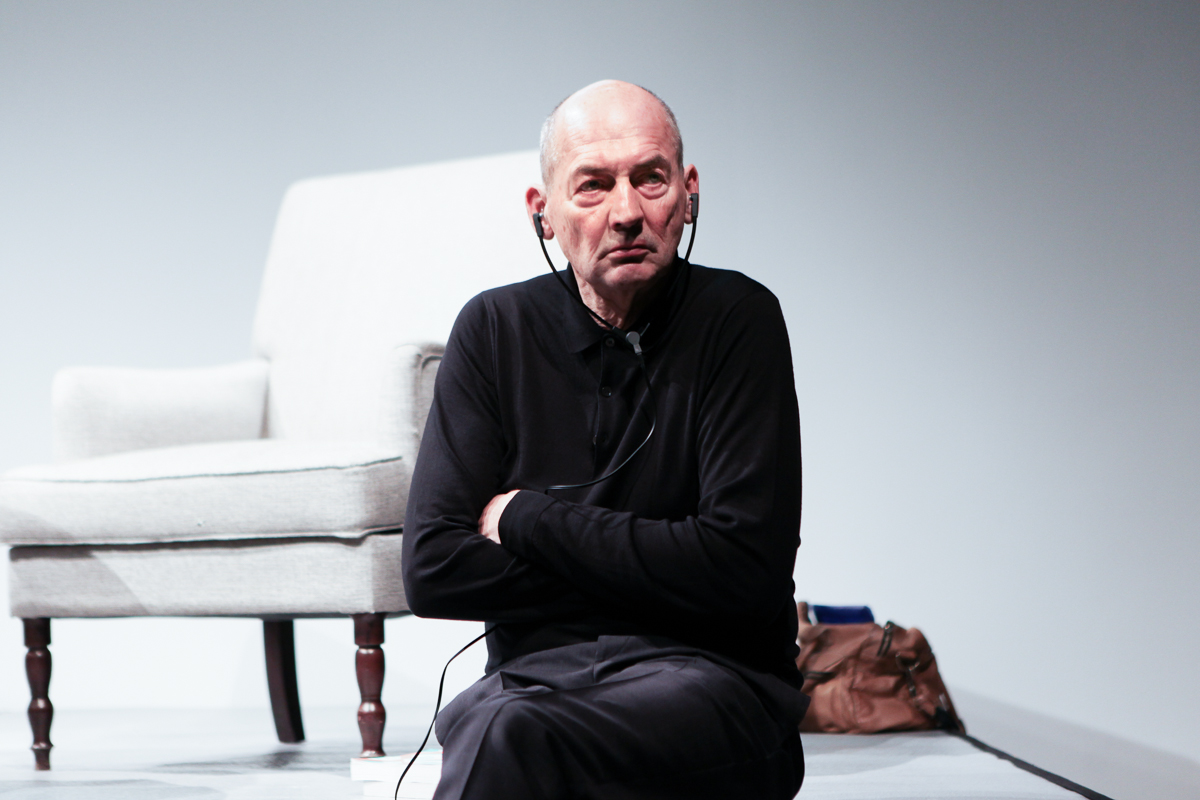




Education and professional formation
Koolhaas received architectural training in Europe and the United States. He studied at the Architectural Association in London and later at Cornell University in the United States, combining early exposure to avant-garde theory with rigorous academic training. During these formative years he developed an interest in how architecture both shapes and is shaped by social and economic forces. His biographical details are frequently cited in profiles; for example, his birth and early years in Rotterdam are often mentioned in introductions to his work (birth date, birthplace), as well as his early identification as an architect (architect).
Practice: OMA, AMO and notable projects
In 1975 Koolhaas co-founded OMA, which grew into an international practice responsible for a range of high-profile projects. OMA's work is characterized by programmatic inventiveness, structural ambition and a willingness to challenge typologies. AMO, founded as a research counterpart, pursues cultural and policy projects that extend beyond building design. Koolhaas's built work includes public libraries, museums and civic headquarters known for their formal boldness and complex spatial thinking.
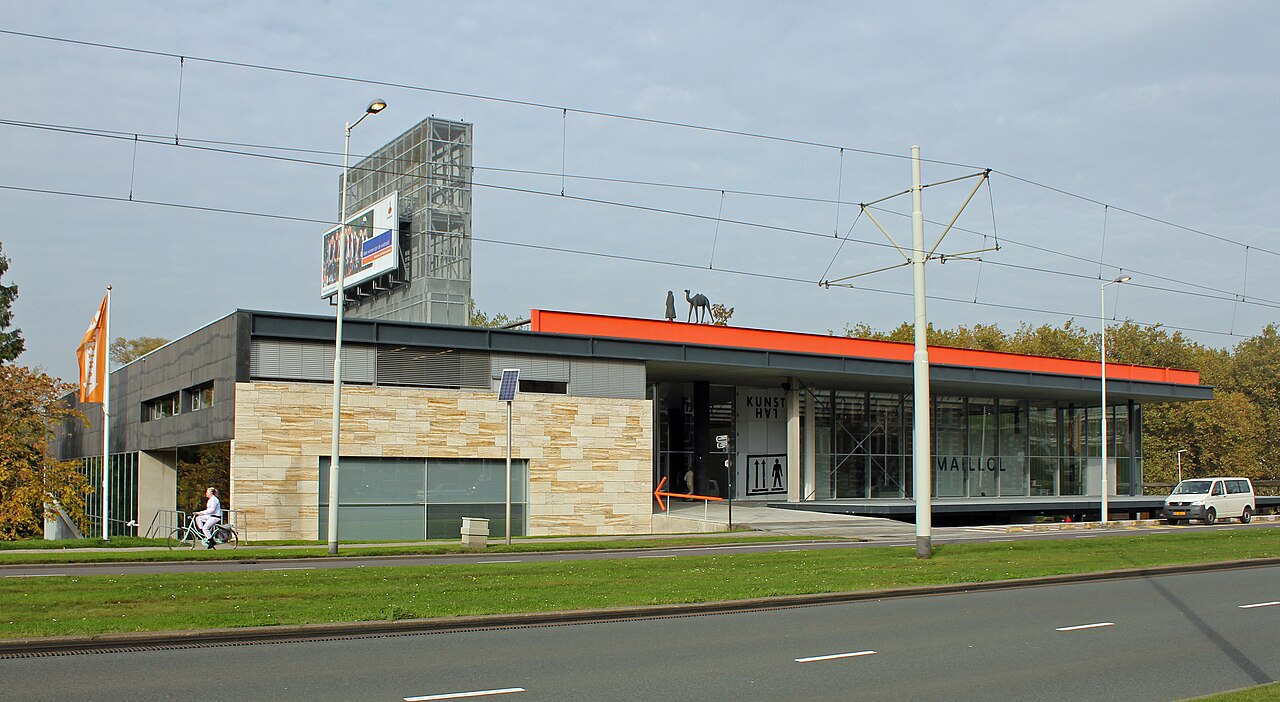
- Selected buildings commonly associated with Koolhaas/OMA: the Seattle Central Library, the Kunsthal in Rotterdam, Casa da Música in Porto, the CCTV Headquarters in Beijing, and De Rotterdam.
- AMO has undertaken cultural research, exhibitions and strategic briefs that accompany or extend OMA's architectural commissions.
Writings and intellectual contributions
Koolhaas has published influential books and essays that shaped contemporary debates on architecture and urbanism. His 1978 study Delirious New York examined Manhattan as a laboratory for urban modernism and remains a touchstone for understanding programmatic density and the culture of the metropolis. The later volume S,M,L,XL, produced with collaborators, mixed essays, projects and theoretical fragments and helped to establish his international reputation. He has also helped found and edit platforms for architectural discourse and research, including the magazine Volume.
Recognition, influence and debates
Koolhaas received the Pritzker Architecture Prize in 2000 and has been widely recognized for his influence on late twentieth- and early twenty-first-century architecture. He has been a polarizing figure: admired for intellectual rigor and formal inventiveness, and sometimes criticized for monumental gestures or perceived detachment from everyday contexts. His work continues to provoke discussion about the role of architecture in global cities and the responsibilities of designers confronting rapid urban change (Harvard appointment, Architectural Association, Cornell, Ithaca connection, media recognition).
Why he matters
Koolhaas matters as both a maker and a thinker: his buildings test hypotheses about program and circulation, while his texts have reframed how architects and planners read contemporary cities. Through OMA and AMO, he has blurred the lines between architectural practice, cultural critique and policy research, influencing generations of architects, urbanists and critics worldwide.
Related articles
Author
AlegsaOnline.com Rem Koolhaas: Architect, Theorist, and Urban Thinker Leandro Alegsa
URL: https://en.alegsaonline.com/art/82051
Sources
- smithsonianmag.com : "Why is Rem Koolhaas the World's Most Controversial Architect?"
- archdaily.com : "Rem Koolhaas: A Reluctant Architect"
- archdaily.com : "Ingrid Böck's "Six Canonical Projects by Rem Koolhaas" Dissects the Ideas that have Made Koolhaas' Career"
- time.com : "Rem Koolhaas"