
Rara National Park — Nepal's smallest protected area centered on Rara Lake
Rara National Park in northwestern Nepal protects alpine forests and Rara Lake. Established in 1976, it covers 106 km² and supports diverse plants, mammals and birds in a remote high‑altitude landscape.
Overview
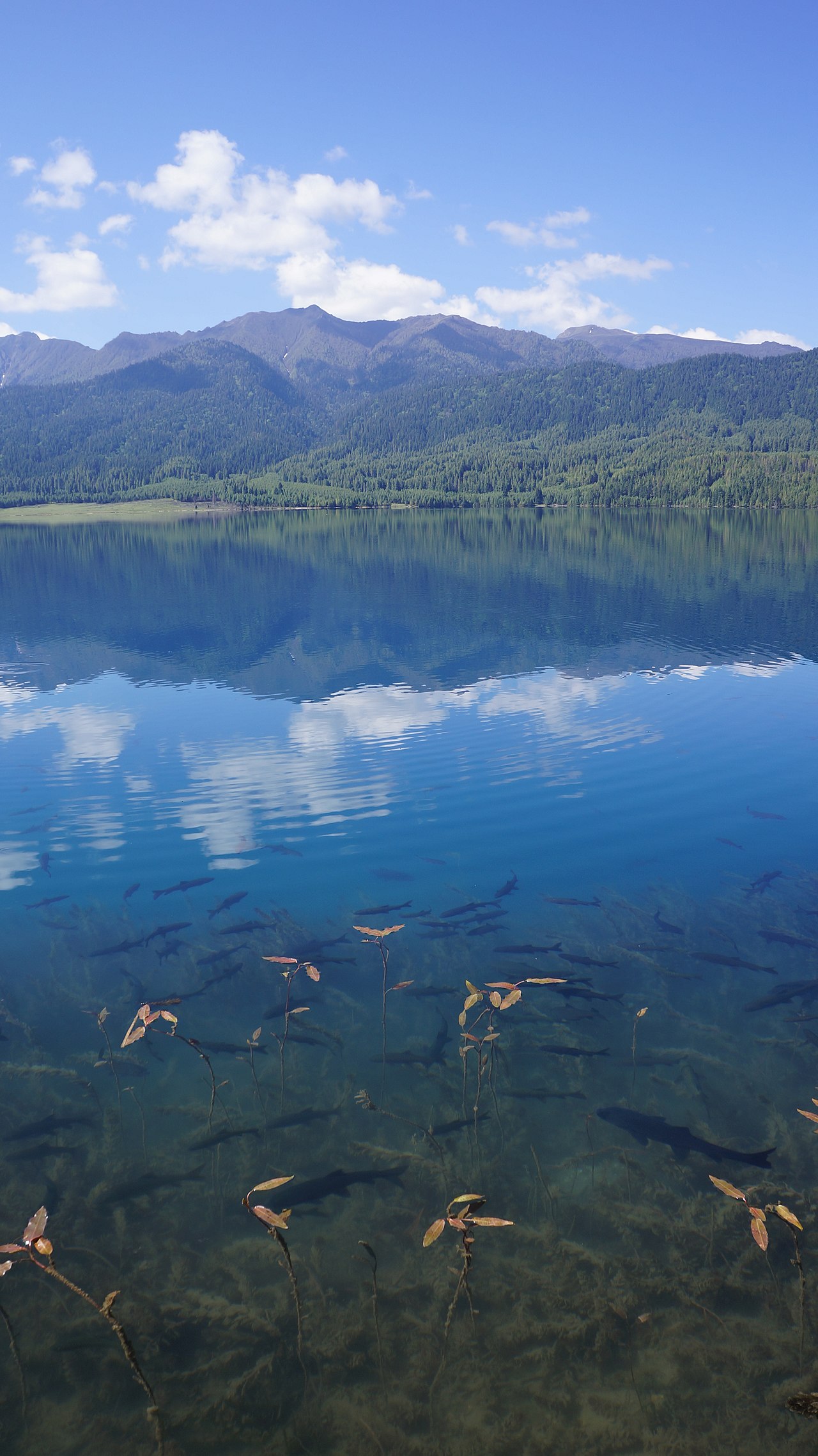
Rara National Park is a compact protected area in northwestern Nepal, created to conserve a distinctive high‑altitude landscape and the country's largest mountain lake. Officially designated in 1976, the park covers about 106 km² and is often described as Nepal's smallest national park. The centerpiece of the reserve is Rara Lake, a clear, glacially fed waterbody that shapes the park's scenery and ecology.
Image gallery
4 Images


Landscape and characteristics
The park lies in a remote part of the western Himalaya and ranges from subalpine forests to alpine meadows. Ancient conifers and rhododendron thickets surround lower slopes while open grasslands and rockier terrain occur above the treeline. Rara Lake itself sits at high altitude and acts as a focal point for both wildlife and seasonal visitors, reflecting surrounding peaks and forested ridges.
Flora and fauna
Rara supports an unusually rich flora for its size, with over a thousand plant species recorded. Vegetation zones include mixed broadleaf and conifer forests, shrublands and alpine herbs. The park is home to around 51 species of mammals and roughly 241 species of birds, including a mix of Himalayan specialists and widespread montane species. Mammalian inhabitants range from small carnivores and rodents to larger ungulates and occasional larger predators; birdlife includes forest and alpine species, waterfowl on the lake and seasonal migrants.
History and management
Established in the 1970s to protect Rara Lake and surrounding ecosystems, the park is managed under Nepal's protected area system. Management priorities include habitat protection, maintaining water quality in the lake, and balancing the needs of local communities with conservation goals. Research and occasional monitoring projects help track biodiversity and ecological change.
Visiting, use and access
Access is typically by a combination of road, trail and trekking due to the park's remoteness; facilities are basic and visits are popular with trekkers seeking quiet scenery. Activities commonly include hiking, birdwatching, guided nature walks and cultural visits to nearby settlements. Tourism is seasonal and often constrained by weather and infrastructure.
Importance and threats
Rara National Park is valued for its concentrated biodiversity, scenic lake and role as a high‑altitude refuge. Key challenges include limited resources for management, pressures from grazing and collection of forest products, and broader threats such as climate change which may alter alpine habitats. Conservation efforts aim to support sustainable use while preserving the park's natural character.
Further information and official resources can be found via regional conservation pages and visitor information portals: park information.
Related articles
Author
AlegsaOnline.com Rara National Park — Nepal's smallest protected area centered on Rara Lake Leandro Alegsa
URL: https://en.alegsaonline.com/art/81217
Sources
- books.icimod.org : Nepal Biodiversity Resource Book. Protected Areas, Ramsar Sites, and World Heritage Sites