
Ravenscraig: from major steelworks to large-scale redevelopment in North Lanarkshire
Former site of a major Scottish steelworks near Motherwell, Ravenscraig is a large brownfield regeneration project converting an industrial complex into mixed-use development, sports facilities and new neighbourhoods.
Ravenscraig is a former industrial site in North Lanarkshire, Scotland, known for its once extensive steelmaking operations. For decades the location was synonymous with heavy industry and employment in the region, and it was at one time described as hosting one of the largest steel production complexes in Western Europe. The site’s industrial legacy and its subsequent closure have made Ravenscraig a widely discussed example of post‑industrial transition.
Image gallery
7 Images



Location and characteristics
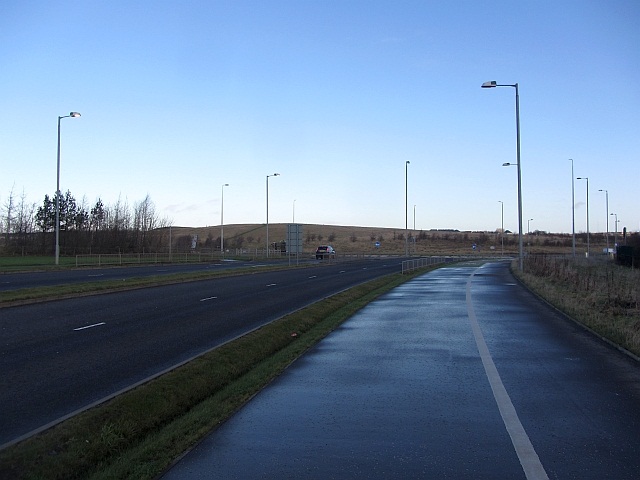
The Ravenscraig site lies on the outskirts of the town of Motherwell and occupies a large tract of former manufacturing land. As a brownfield area it required environmental remediation and demolition of redundant structures before any new development could begin. The scale of the cleared site, its proximity to existing communities, and access to regional transport routes have all shaped planning and investment decisions for its reuse.
History
Established in the mid‑to‑later 20th century as a centre for steel production, Ravenscraig became a major local employer and an industrial landmark. Production at the complex ceased in 1992, and the closure had wide social and economic repercussions for the surrounding towns. In the years after shutdown, the site remained largely vacant while proposals for its future were prepared and refined.
Redevelopment and key partners
A long‑running regeneration initiative brought together public and private organisations, including development companies and economic agencies, to deliver a comprehensive masterplan. Early redevelopment partners were publicly recorded as involving industry and regional development bodies working to create a new mixed‑use community. The plans emphasise remediation, new housing, commercial space, and community amenities.
- Housing and neighbourhoods: phased construction of homes and streets designed to knit into existing towns.
- Business and employment: sites for offices, light industry and retail intended to replace jobs lost from the steelworks.
- Leisure and public facilities: parks, civic spaces and sports venues to serve local residents.
- Infrastructure improvements: transport and utilities upgrades to support growth.
One prominent outcome on the site has been development of a regional sports complex intended to attract local clubs and provide facilities for schools and community groups. These kinds of projects are typical of efforts to diversify local economies after heavy industrial decline.
Ravenscraig is frequently cited in discussions of brownfield regeneration in Scotland because of its size, visibility and the long timescale of redevelopment. The transformation is being delivered in phases and remains an evolving programme: land assembly, remediation, planning consents and investment all continue to influence what is built and when. For more detailed planning documents and current project information, see resources maintained by local and regional agencies and development partners such as industry stakeholders and economic development organisations (local authority
Questions and answers
Q: What is Ravenscraig?
A: Ravenscraig is an area of land in North Lanarkshire, Scotland that used to be the site for steelworks.
Q: What did Ravenscraig used to have?
A: Ravenscraig used to have the largest steel mill in Western Europe.
Q: When was Ravenscraig closed?
A: Ravenscraig was closed in 1992.
Q: What is Ravenscraig being developed into?
A: Ravenscraig is being developed into a full new town by Wilson Bowden Developments Ltd, Scottish Enterprise, and Corus.
Q: When did the redevelopment process of Ravenscraig start?
A: The redevelopment process of Ravenscraig started recently.
Q: Who is involved in the redevelopment of Ravenscraig?
A: Wilson Bowden Developments Ltd, Scottish Enterprise, and Corus are involved in the redevelopment of Ravenscraig.
Q: What is the goal of Ravenscraig's redevelopment?
A: The goal of Ravenscraig's redevelopment is to create a full new town.
Related articles
Author
AlegsaOnline.com Ravenscraig: from major steelworks to large-scale redevelopment in North Lanarkshire Leandro Alegsa
URL: https://en.alegsaonline.com/art/81314
Sources
- myweb.tiscali.co.uk : The Company and Its Allied Concerns - Colville's Magazine, 1920
- myweb.tiscali.co.uk : Ravenscraig Steel Works History 1954 - 1992
- findarticles.com : Still time for a new strategy. (closing of British Steel's Ravenscraig, Scotland steel plant)
- maps.google.co.uk : Google Maps
- scotland.gov.uk : Scottish Government - (Henry McLeish backs plans for Ravenscraig Regeneration)
- ravenscraig.co.uk : Ravenscraig.co.uk Homepage
- ravenscraig.co.uk : - Ravenscraig - Natural Heritage
- scotland.gov.uk : Scottish Government - (£29m for Ravenscraig sports complex)
- news.bbc.co.uk : BBC News - Controversy over steelworks plan
- ravenscraig.co.uk : Ravenscraig.co.uk
- motherwelltimes.co.uk : Motherwell Times