
Backlash (2005) — WWE pay-per-view held in Manchester, New Hampshire
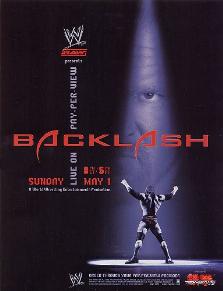
Backlash (2005) was WWE's seventh annual Backlash pay-per-view, held May 1, 2005 at the Verizon Wireless Arena in Manchester, New Hampshire, serving as the promotion's principal post‑WrestleMania show.
Overview
Backlash (2005) was the seventh yearly installment of WWE's Backlash pay‑per‑view series, staged on May 1, 2005 at the Verizon Wireless Arena in Manchester, New Hampshire. Traditionally positioned after WWE's marquee WrestleMania event, Backlash functioned as a show devoted to rematches, lingering rivalries and the first major storyline turns heading into the summer. Promotional and event information is preserved in WWE event pages and contemporary coverage; see official event details (event details).
Image gallery
4 Images


Production and context
By 2005 WWE was operating its brand split, and pay‑per‑views such as Backlash were used to continue or redirect television‑based storylines. The Manchester venue provided the live audience and production facilities typical of mid‑2000s WWE touring shows; venue information is available through listings and archives (venue listing). As with other Backlash editions, the card balanced championship matches with grudge bouts and sometimes specialty stipulations.
Card and storylines
The card was built around headline-level singles matches that extended feuds from WrestleMania, along with undercard bouts that mixed title defenses and personal angles. The structure of the event reflected common booking practices of the period: a main event intended to close the show, supporting matches to maintain pacing, and one or two contests aimed at advancing longer-term narratives. For a match-by-match chronology and basic listing consult historical archives (chronology).
Broadcast and availability
Backlash was presented on traditional pay‑per‑view platforms used by WWE at the time and later became part of WWE's home video and digital catalog. In subsequent years the promotion made many past pay‑per‑views accessible through its on‑demand services and streaming offerings. Viewing options and archival access are covered in media retrospectives and platform guides.
Reception and legacy
Contemporary reviews of Backlash (2005) commented on how effectively the event extended WrestleMania storylines and set up summer programming. Analysts and fans evaluated the show on production values, crowd response, in‑ring work and booking choices. Critical assessments and fan retrospectives are available in reviews and wrestling history summaries (reviews).
Significance
- Part of an annual series that began in the late 1990s and traditionally followed WrestleMania.
- Illustrates WWE's mid‑2000s approach to post‑WrestleMania storytelling and brand scheduling.
- Serves as a reference point for historians and fans tracking performer pushes and booking trends of the era.
Related articles
Author
AlegsaOnline.com Backlash (2005) — WWE pay-per-view held in Manchester, New Hampshire Leandro Alegsa
URL: https://en.alegsaonline.com/art/8117