
Manchester, New Hampshire
Manchester is the largest city in New Hampshire, a regional economic and cultural center on the Merrimack River in Hillsborough County with roots as a 19th‑century mill town.
Overview
Manchester is the largest city in New Hampshire and serves as a principal hub for the southern part of the state. Located along the Merrimack River, the city is the county seat of Hillsborough County and is commonly known by the nickname "The Queen City." Its role as a center for commerce, education and culture extends across metropolitan and suburban communities nearby.
Image gallery
10 Images

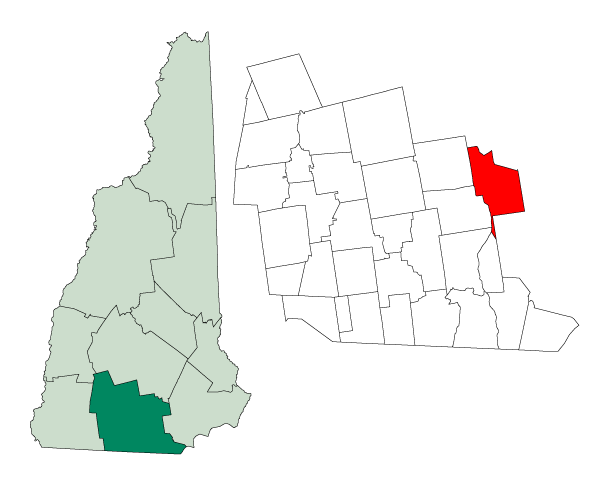


Geography and neighbourhoods
The urban core sits beside the river and includes a redeveloped mill district, a downtown with municipal and commercial buildings, and several residential neighborhoods that range from historic districts to newer suburban-style developments. Parks, riverfront walks and civic spaces are interspersed with former industrial sites that have been repurposed for offices, housing and cultural institutions.
History and development
Manchester grew rapidly in the 19th century as textile manufacturing concentrated around falls on the Merrimack River. Large mills and the manufacturing economy shaped the city’s layout and population. Over the 20th century the industrial base declined, and Manchester shifted toward a more diversified economy while preserving notable mill architecture and industrial heritage.
Economy, institutions and culture
Today the local economy includes healthcare, education, retail, light manufacturing and professional services. The city hosts museums, theaters and colleges that serve the region. Examples of prominent civic and cultural institutions include:
- Regional museums and performing arts venues
- Colleges and continuing education providers
- Major hospitals and medical centers
Transportation and government
Manchester is served by a regional airport and several major highways, connecting it to neighboring states and to the state capital area. The city is governed by an elected mayor and city council and administers municipal services for a population recorded in the U.S. Census and later estimates. The 2010 census reported about 109,565 residents, with modest growth in subsequent estimates.
As New Hampshire’s largest city, Manchester combines industrial heritage, contemporary redevelopment and regional services, making it an important economic and cultural center in the state.
Related articles
Author
AlegsaOnline.com Manchester, New Hampshire Leandro Alegsa
URL: https://en.alegsaonline.com/art/61205