
Banquet: ceremonial feasts, structure, history and modern uses
A banquet is a large, often formal meal held for celebration or ceremony. This article explains its structure, history, common types, etiquette and how it differs from other gatherings.
A banquet is a large, organized meal or feast held to mark an occasion, to honor guests, or to celebrate a shared purpose. Traditionally a large public meal, a banquet can be formal or informal and may range from elaborate multi-course seated dinners to simplified dessert-only gatherings. Banquets often combine food with ritual elements such as toasts, speeches and entertainment.
Image gallery
10 Images


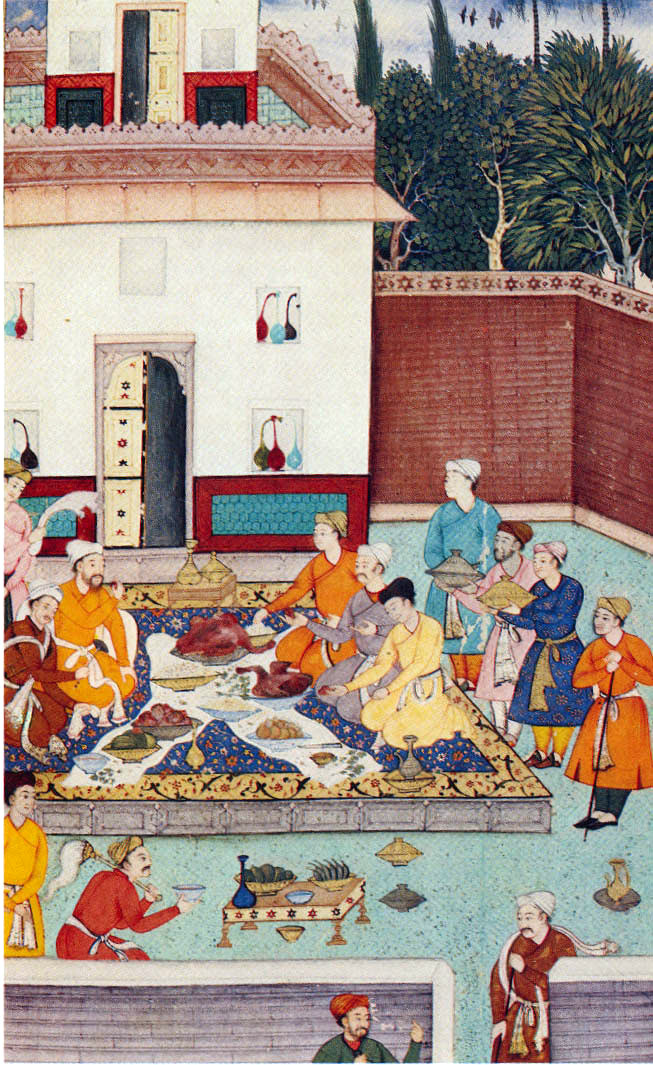


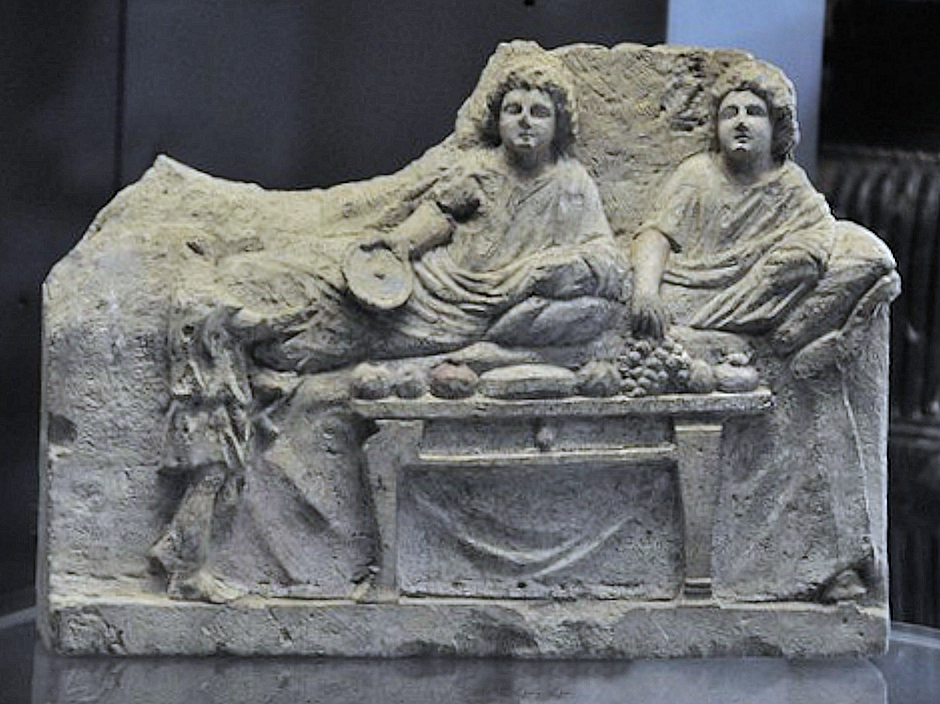
Typical components
Although formats vary by culture and event, most banquets include several common elements:
- Courses: one or more starter courses, main dishes, and desserts or sweets.
- Program: scheduled speeches, introductions, awards or religious rites.
- Seating and service: assigned seating, table service or platters, and often formal tableware.
- Entertainment: music, performances or ceremonies tied to the occasion.
History and development
Feasting is ancient and appears in many early societies as part of religious offerings, diplomatic hospitality, and celebrations of harvest or victory. In classical and medieval periods large communal meals reinforced social rank and alliances. Over time, the banquet evolved into both private and public events—royal courts, civic ceremonies and modern state dinners all preserve elements of historical pageantry.
Uses and examples
Banquets serve varied purposes: state or official receptions, wedding banquets, corporate dinners, fundraising galas and memorial gatherings. A banquet held for a formal rite is often linked to a ceremony, while others focus on networking, fundraising or celebration. Contemporary banquets may combine formal sit-down service with speeches and multimedia presentations.
Distinctions and etiquette
Banquets differ from buffets (self-service), receptions (shorter, mingling-focused) and casual parties (less formal structure). Etiquette can include dress codes, arrival times, table manners, the order of speakers and honored seats. Professional planners often manage menus, seating charts and timing to ensure flow and accessibility.
Today banquets remain important for cultural expression, diplomacy and communal recognition. They balance culinary, social and ceremonial elements to mark events in ways that reflect local customs and contemporary expectations.
Related articles
Author
AlegsaOnline.com Banquet: ceremonial feasts, structure, history and modern uses Leandro Alegsa
URL: https://en.alegsaonline.com/art/8799