
Randalstown — town in County Antrim, Northern Ireland
Randalstown is a historic market town in County Antrim, Northern Ireland. This entry summarizes its geography, history, landmarks, local life, transport links and notable people, including John Bodkin Adams.
Overview
Randalstown is a small historic market town in County Antrim, in Northern Ireland. It grew as a local service and trading centre for surrounding agricultural districts and sits near rivers and lakes that shape its landscape. The town combines a historic streetscape of 18th- and 19th-century buildings with modern housing and community facilities.
Image gallery
3 Images

Geography and environment
Randalstown occupies a riverside setting with accessible countryside nearby. Local wetlands, estate parkland and minor waterways contribute to a landscape valued for walking, fishing and wildlife watching. Its location makes it a convenient base for exploring larger towns and regional attractions.
History
The town developed from a rural trading point into a modest industrial and residential settlement during the 18th and 19th centuries. Over time it has retained features of its historic core while adapting to changes in agriculture, transportation and local industry. Conservation of period buildings has been an element of local planning.
Landmarks and architecture
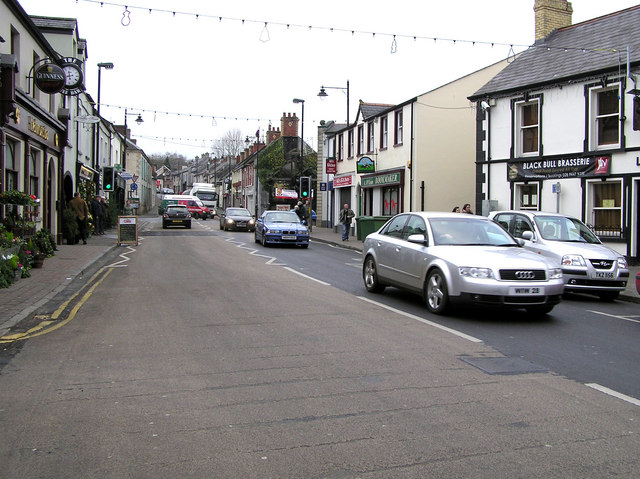
Randalstown's main street and nearby lanes contain stone and brick houses, some public buildings and churches that reflect typical regional styles. Nearby country houses, old estates and parkland are part of the area's heritage and attract interest from visitors and residents.
Economy, transport and community
The town serves as a local centre with shops, schools and community organisations. Road connections link Randalstown to neighbouring towns and to regional routes. Community groups run cultural and recreational activities, and local events help sustain a civic identity.
Notable people
- John Bodkin Adams — A medical practitioner born in Randalstown in 1899 who later became a controversial figure in British medical and legal history. His life and the investigations surrounding him have been the subject of biographies and case studies: biography and case studies.
Related articles
Author
AlegsaOnline.com Randalstown — town in County Antrim, Northern Ireland Leandro Alegsa
URL: https://en.alegsaonline.com/art/81097