
Rainer Maria Rilke: Life, Works, and Literary Legacy
A concise overview of Rainer Maria Rilke — Austrian poet and novelist — his major works, themes, life, and continuing influence on modern literature.
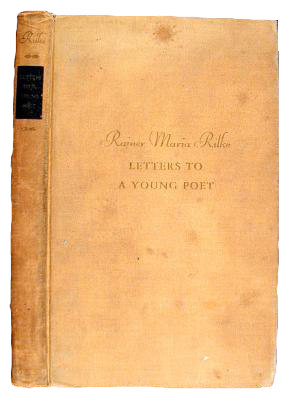
Rainer Maria Rilke (4 December 1875 – 29 December 1926) was an Austrian poet and writer whose work is among the most influential in modern German literature. He is best known for the long lyric sequence Duino Elegies, the compact cycle Sonnets to Orpheus, and the semi-autobiographical novel The Notebooks of Malte Laurids Brigge. Rilke wrote primarily in German and combined vivid imagery with philosophical reflection to explore solitude, mortality, and the artist's inner life. See short entries on his role as a poet and a writer.
Image gallery
10 Images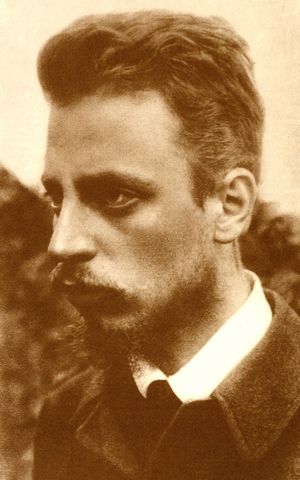




Early life and education
Rilke was born in Prague, then part of the Austro-Hungarian Empire; his birth city remains important to accounts of his formative years. He pursued studies in literature, art history, and philosophy, attending institutions in both Munich and Prague. These studies exposed him to visual art and continental philosophy, shaping the imagistic and contemplative quality of his verse. Early travels and friendships with artists and sculptors also contributed to his sensibility; he later worked for a time as a private secretary to the sculptor Auguste Rodin, an experience that deepened his interest in form and craft.
Major works and central themes
Rilke's major works meditate on being, absence, and transformation. Duino Elegies is a series of elegiac poems that move between despair and affirmation, famous for their recurring "angel" motif and dense metaphors. Sonnets to Orpheus respond to similar concerns in a concentrated, musical form. The Notebooks of Malte Laurids Brigge is a novel that presents fragmentary reflections on urban alienation and artistic consciousness. Across these works he examines the boundary between inner experience and outer reality, the demands of creativity, and how loss and love shape human perception.
Life, travel, and final years
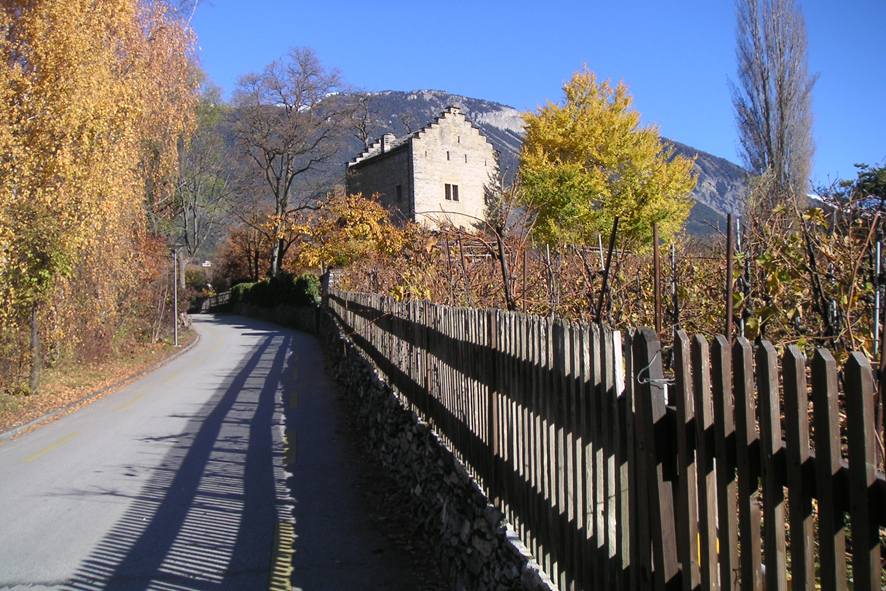
Rilke travelled extensively throughout Europe and stayed in various cultural centers to write and to teach; these journeys informed both the cosmopolitan references and the solitude in his work. He also visited North Africa, which broadened his exposure to different landscapes and artistic traditions. In later years he settled intermittently in Switzerland; he died in Montreux after a battle with leukemia. For concise biographical notes see entries on his birthplace, travels, and death: Prague, European travels, North Africa, illness, Montreux, and Switzerland.
Style, influence, and reception
Rilke is often associated with symbolist and early modernist tendencies: his language fuses intense sensory detail with metaphysical questioning. He influenced later poets and translators around the world; much of his reputation rests on the emotional intensity and formal control of his mature poems. Rilke's work continues to be read for its reflections on creativity, solitude, and the search for meaning in a changing world.
Selected works and resources
- Duino Elegies — a central long poem sequence that shaped his late reputation.
- Sonnets to Orpheus — short, concentrated poems balancing grief and praise.
- The Notebooks of Malte Laurids Brigge — an introspective novel of memory and modern life.
For further reading and reference entries, consult concise online and print resources linked here: poet profile, writer overview, Prague biography, art-historical context, philosophical influences, Munich studies, European travels, North African journeys, health and death, Montreux residence, and Swiss legacy.
Related articles
Author
AlegsaOnline.com Rainer Maria Rilke: Life, Works, and Literary Legacy Leandro Alegsa
URL: https://en.alegsaonline.com/art/80916