
Rainier III, Prince of Monaco: Reign, reforms and legacy
Rainier III (1923–2005), sovereign of Monaco for nearly 56 years, modernized the principality, diversified its economy, enacted constitutional reforms and gained international prominence through marriage to Grace Kelly.
Overview
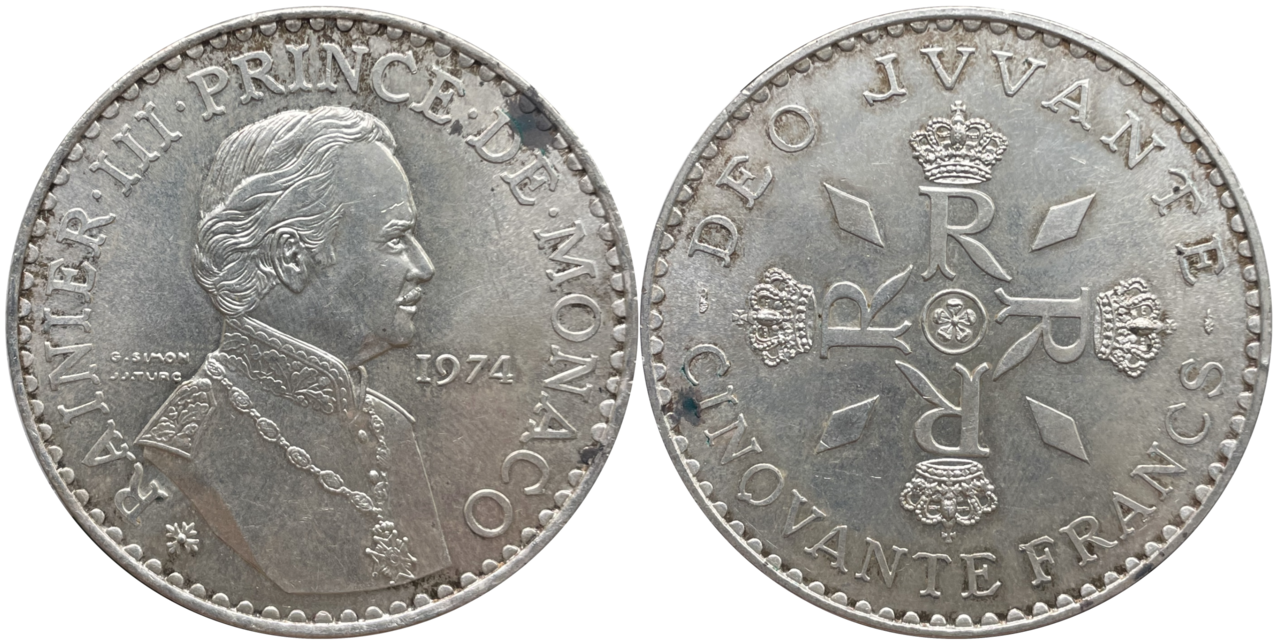
Rainier Louis Henri Maxence Bertrand Grimaldi, known as Rainier III (31 May 1923 – 6 April 2005), was sovereign of the Principality of Monaco for nearly 56 years. He was one of the longest-reigning rulers in modern European history. A member of the Grimaldi family, Rainier inherited a small, strategically located state and led it through a period of institutional change, economic diversification and rising international profile.
Image gallery
9 Images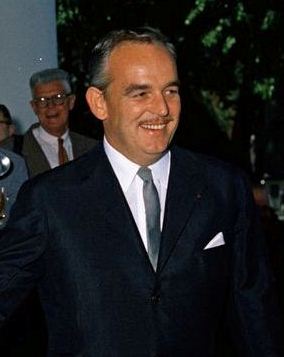




Early life and accession
Born into the princely household, Rainier assumed the throne in 1949. At the time, Monaco's public finances were heavily dependent on gaming and the famous Monte Carlo casino. Contemporary estimates suggest that revenues from gaming and associated activities once constituted a very large share of state income—figures historically quoted include roughly ninety-five percent—a dependence that Rainier set out to reduce.
Constitutional changes and governance
Rainier presided over important legal and administrative reforms aimed at modernising governance and clarifying the role of the state. He supported constitutional reforms and in 1962 a revised Constitution was promulgated, shaping the balance between the princely authority and representative institutions. These reforms were part of a wider effort to consolidate Monaco's sovereignty and to make its institutions more appealing to residents and foreign partners.
Economic diversification and development
A central objective of Rainier's policy was to broaden Monaco's economic base beyond the traditional gambling sector. He encouraged development in real estate, tourism, services, banking and cultural events to create a more resilient fiscal structure. Over subsequent decades Monaco attracted residents and businesses through its climate, location and fiscal arrangements, and gambling's share of formal state revenue fell to a small fraction; modern figures often cited are about three percent.
Marriage, culture and public image
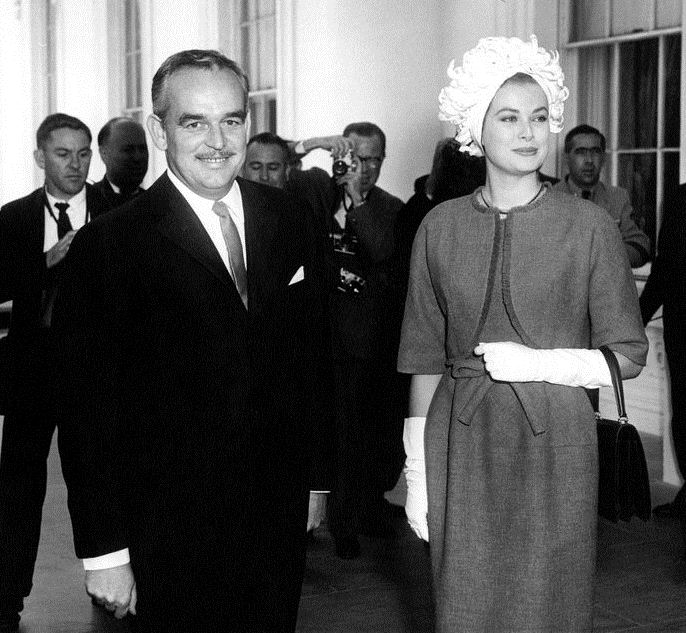
Rainier's marriage in 1956 to the American film actress Grace Kelly was a globally publicised event. The marriage blended royal tradition with celebrity culture and increased tourism, press attention and cultural interest in the principality. Kelly's background as an American movie star helped bring Monaco new audiences and notoriety; the couple supported cultural institutions and charitable initiatives that furthered Monaco's international visibility.
Policies and initiatives
- Legal and administrative modernisation to professionalise public administration and clarify roles.
- Active promotion of economic sectors beyond gaming, including finance, real estate and tourism.
- Investments in culture, events and public diplomacy to raise the principality's profile.
Criticism and challenges
Rainier's regime also faced criticism typical of small, high-income jurisdictions: concerns about economic inequality, secrecy and the uses of favourable tax arrangements. His administration balanced these tensions with efforts to present Monaco as a well-regulated, stable state attractive to legitimate business and wealthy residents while preserving the principality's traditions.
Legacy and succession
By the time of his death in 2005 Rainier had transformed Monaco's economic structure and international image. The principality had diversified revenue streams and developed modern institutions while retaining its monarchical character. He was succeeded by his son, who continued to lead Monaco into the 21st century. Rainier is broadly remembered for combining dynastic continuity with pragmatic reforms that reshaped a historic microstate's role in a globalised world.
Further reading may consult official sources and contemporary histories for detailed chronologies and analysis of the principality's development, its economy and the role of the casino and broader gambling sector in earlier eras. For context on dynastic continuity and rulership see materials related to the Grimaldi family and Monaco's place in European history. Key topics include the 1962 Constitution, the nature of Rainier's constitutional reforms, and the principality's fiscal evolution from a period when casino income reportedly made up about ninety-five percent of revenue to a later era in which gaming represents roughly three percent of official receipts.
Related entries and resources: the Principality of Monaco, governance in Europe, dynastic studies and the political economy of small states.
Related articles
Author
AlegsaOnline.com Rainier III, Prince of Monaco: Reign, reforms and legacy Leandro Alegsa
URL: https://en.alegsaonline.com/art/80922
Sources
- commons.wikimedia.org : Rainier III, Prince of Monaco
- abcnews.go.com : "Monaco's Prince Rainier III Dies"
- telegraph.co.uk : "Prince Rainier III of Monaco"