
Rain shadow: formation, characteristics, and impacts
A rain shadow is the dry region on the leeward side of mountains where prevailing winds drop moisture on the windward slopes, creating distinct local climates, ecosystems and human impacts.
A rain shadow is a region of reduced precipitation that forms on the downwind (leeward) side of a mountain range. When moist air masses are forced to rise over a ridge or mountain, they cool and shed moisture as precipitation on the windward side. By the time the air descends the opposite slope it has lost much of its moisture and produces little rainfall, leaving a relatively dry area called the rain shadow.
Image gallery
10 Images


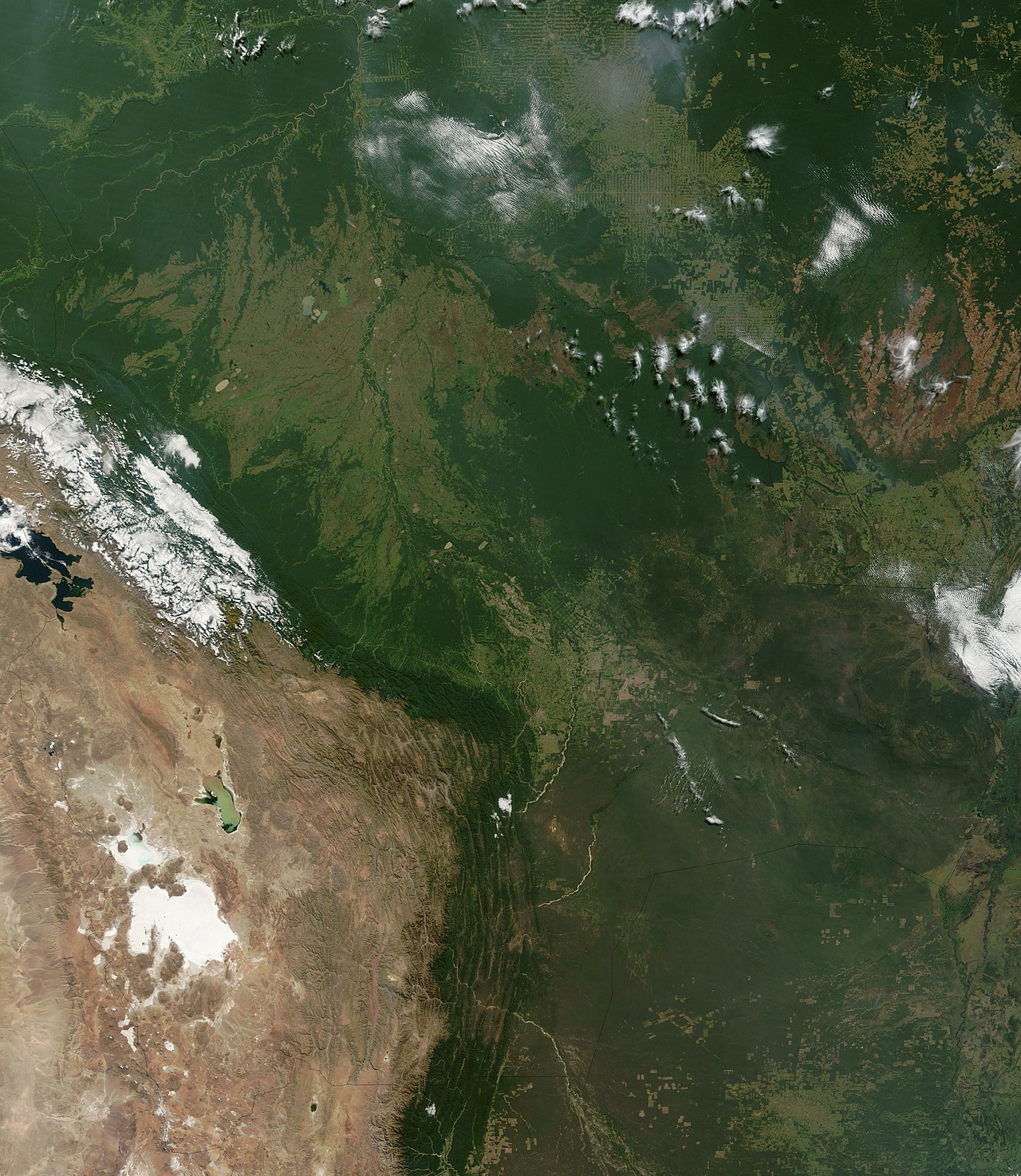


How a rain shadow forms
The process responsible for a rain shadow is called orographic lift. As air ascends the windward slope it expands and cools; cooler air holds less water vapour so clouds form and precipitation occurs. After crossing the summit, the now-drier air descends and warms, which further reduces relative humidity and suppresses cloud formation. This sequence — ascent, precipitation, descent — concentrates moisture on one side of a range and creates dryness on the other.
Key characteristics
- Windward versus leeward: The windward side receives more rain, the leeward side is drier.
- Dependence on wind and moisture sources: Prevailing wind direction and proximity to oceans or moist basins control how strong the shadow is.
- Topography matters: Higher and broader ranges produce more pronounced rain shadows than low hills.
- Spatial variability: The dry zone can be narrow or extend for hundreds of kilometres depending on geography.
Effects and notable examples
Rain shadows influence vegetation, soils, and human land use. They can support steppe or desert ecosystems where adjacent slopes remain forested. Well-known examples include the dry basins behind the Andes in South America, interior regions east of the Cascade Range in North America, and parts of Patagonia. In some cases, rain shadows contribute to some of the driest places on Earth.
Because rain shadows affect water availability, they shape settlement patterns, agriculture and resource management. Irrigation, water storage and careful land use planning are common responses in leeward regions. With changing climate and shifting storm tracks, the location and intensity of rain shadows can also change, with consequences for ecosystems and human communities.
Related articles
Author
AlegsaOnline.com Rain shadow: formation, characteristics, and impacts Leandro Alegsa
URL: https://en.alegsaonline.com/art/80897