
Queensland Rail
Queensland Rail is the state-owned operator of passenger rail and rail infrastructure in Queensland, Australia, providing suburban, regional and long-distance services and managing parts of the track network.
Overview
Queensland Rail is the government-owned operator responsible for running many passenger services and maintaining segments of the rail network across Queensland. It operates a variety of trains that serve commuter, regional and long-distance markets and is an important component of public transport in Australia.
Image gallery
10 Images
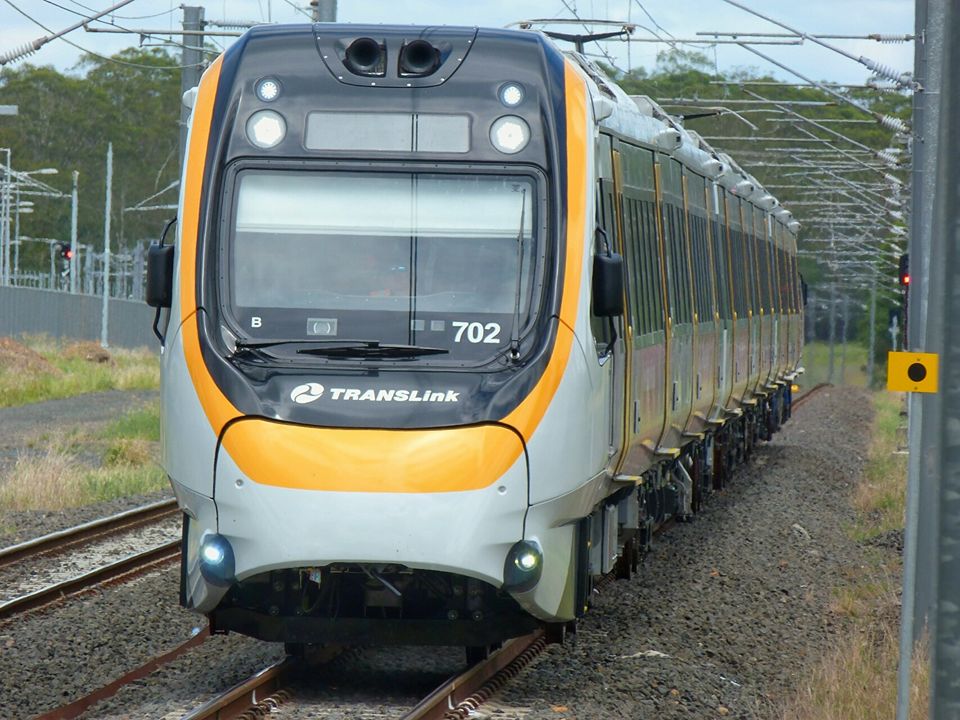

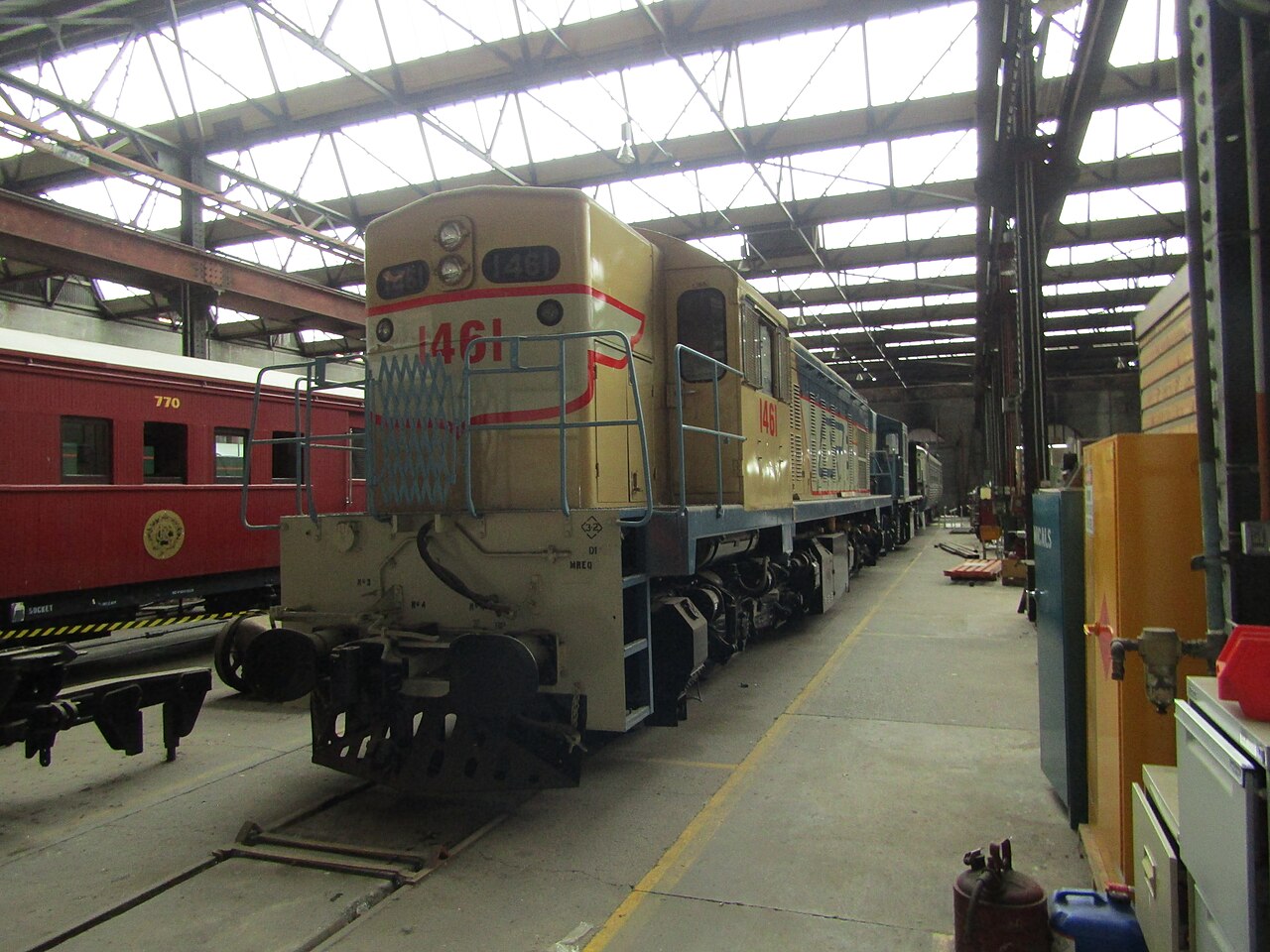


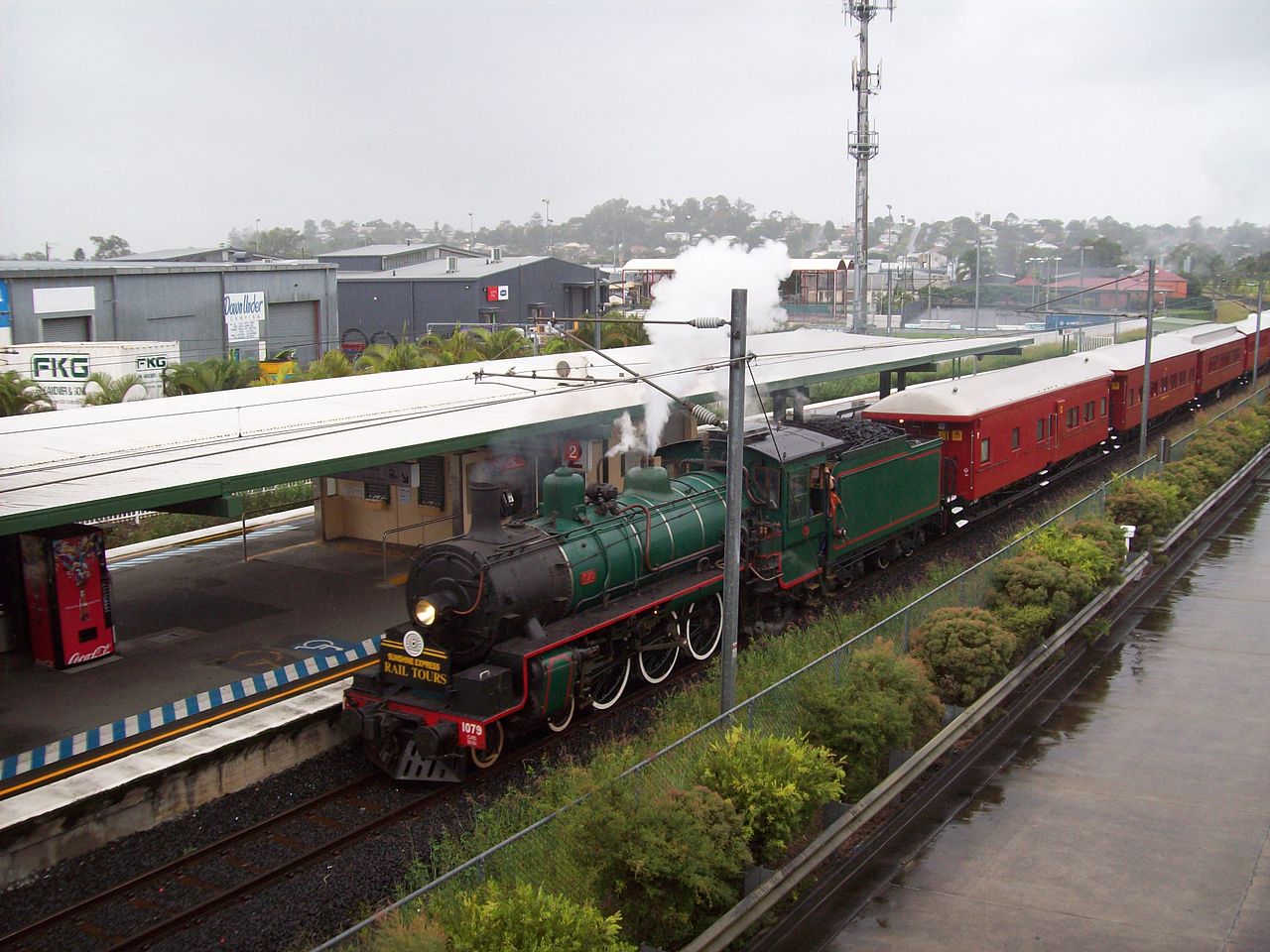

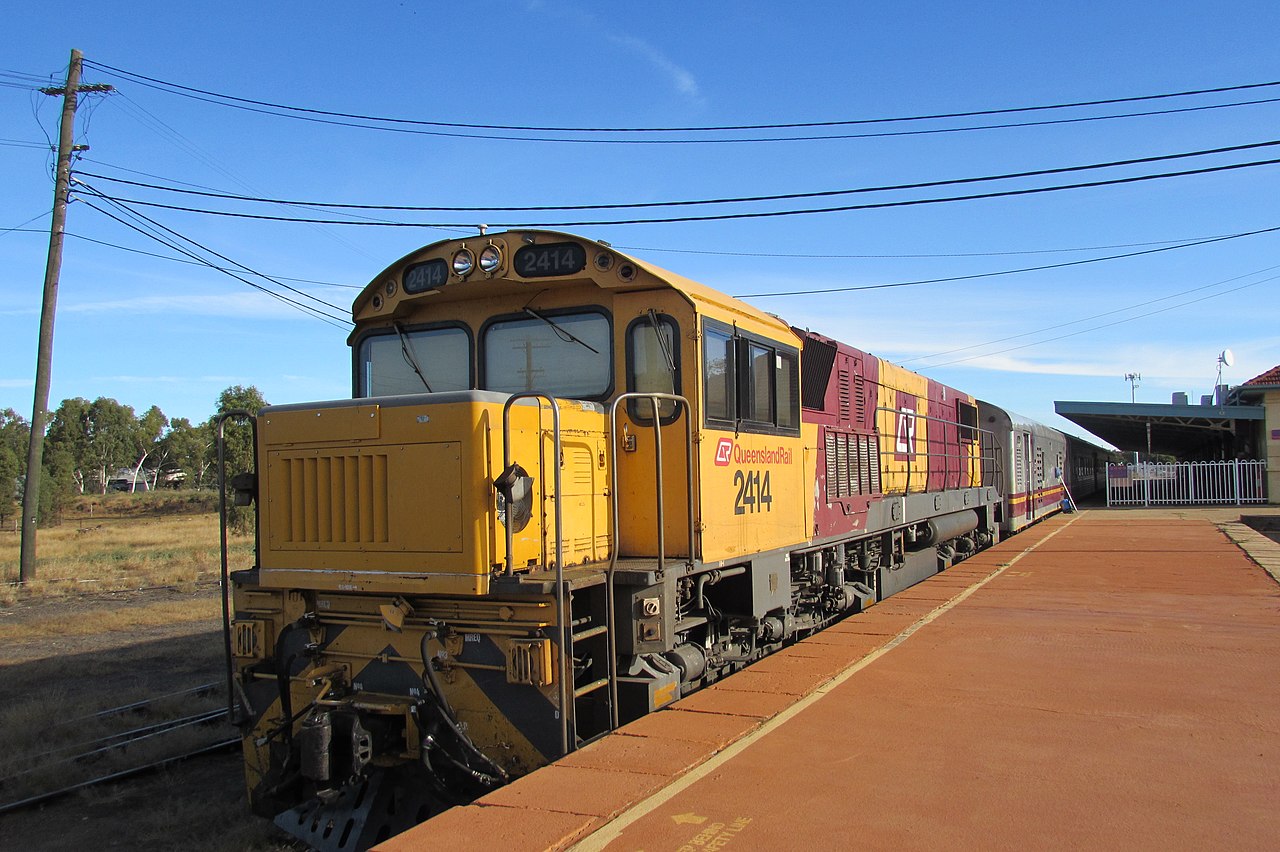
Services and network
The organisation provides several types of rail services: suburban commuter lines around major cities, regional connections between towns and long-distance journeys that cross large distances. Its responsibilities include timetabled passenger services, station management, depot operations and upkeep of the sections of track it owns or controls.
- Suburban commuter services that support daily travel in metropolitan areas.
- Regional and long-distance passenger routes connecting regional centres.
- Support services such as station facilities, customer information and safety systems.
Characteristics and infrastructure
Much of the network uses narrow gauge track (3 ft 6 in), a feature that shaped early construction across the state. In the more populous southeast, electrification and denser station spacing support frequent urban services, while rural corridors are designed for longer distances between stops. Rolling stock ranges from electric suburban sets to diesel units used on regional lines.
History and development
Railways in Queensland date to the mid-19th century, developed to open up settlement and support industry. Over time the system expanded across a vast state area under public ownership. In recent decades organisational changes separated some freight businesses from the public operator and prompted ongoing investment in modernising trains, stations and signalling.
Role and notable points
Queensland Rail plays a central role in daily mobility, regional access and tourism. Its mix of urban and long-haul services, plus responsibility for infrastructure on many routes, makes it a distinctive state rail body. Current priorities typically include service reliability, network upgrades and integration with wider transport networks.
Related articles
Author
AlegsaOnline.com Queensland Rail Leandro Alegsa
URL: https://en.alegsaonline.com/art/80482