
Quéant, Pas-de-Calais
Quéant is a small commune in Pas-de-Calais, northern France, known for its World War I history, reconstruction after the war, and Commonwealth war cemeteries.
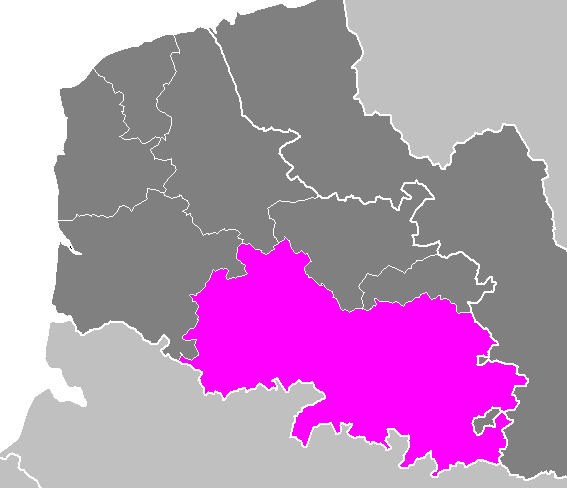
Quéant is a small commune in the historic region that was known as Nord-Pas-de-Calais (Nord-Pas-de-Calais), situated in the Pas-de-Calais department in the north of France. It serves as a local administrative unit with a rural character and a village centre rebuilt after the disruptions of the early twentieth century.
Image gallery
2 Images
Geography and administration
Located on agricultural plains east of the departmental capital Arras, Quéant occupies typical northern French farmland and modest road connections to nearby towns. Its municipal council administers communal services, local roads and small public facilities common to communes of its size.
History and wartime significance
The village was heavily affected by fighting during the First World War and required substantial reconstruction afterwards. Quéant stood near strategic lines and saw operations during the 1917–1918 campaigns. Remnants of that era remain part of the commune’s identity and collective memory.
Landmarks and memorials
Visitors will note the parish church, rebuilt in the postwar period, and several cemeteries that commemorate soldiers from the Commonwealth and other nations. These burial grounds and memorials attract relatives, historians and those tracing military history, and they are maintained as places of remembrance.
Economy, transport and community life
The local economy is dominated by farming and small services oriented to residents. Road links give access to regional markets and larger urban centres. Community life centres on the town hall, village events and the upkeep of historic sites that mark the town’s past.
Notable facts
- Quéant is representative of many northern French villages rebuilt after World War I.
- Its war cemeteries are cared for and visited by international visitors.
- Administrative and historical information about the commune can be found via local government and regional resources: see the commune and regional pages for details.
Related articles
Author
AlegsaOnline.com Quéant, Pas-de-Calais Leandro Alegsa
URL: https://en.alegsaonline.com/art/80434