
Pyrgos (Ilia, Greece)
Regional capital in western Peloponnese, seat of Ilia prefecture, near ancient Olympia; local economy based on agriculture, services and tourism.
Pyrgos is a regional city in Greece, serving as the administrative centre and capital of the Ilia prefecture. It lies on the western side of the Peloponnese peninsula, south of the city of Patras and north of Kalamata. The town had a recorded population of about 24,765 inhabitants and functions as a local hub for surrounding rural communities. Nearby is the world-famous archaeological complex of Olympia, which strongly influences Pyrgos's cultural and tourist connections.
Image gallery
10 Images

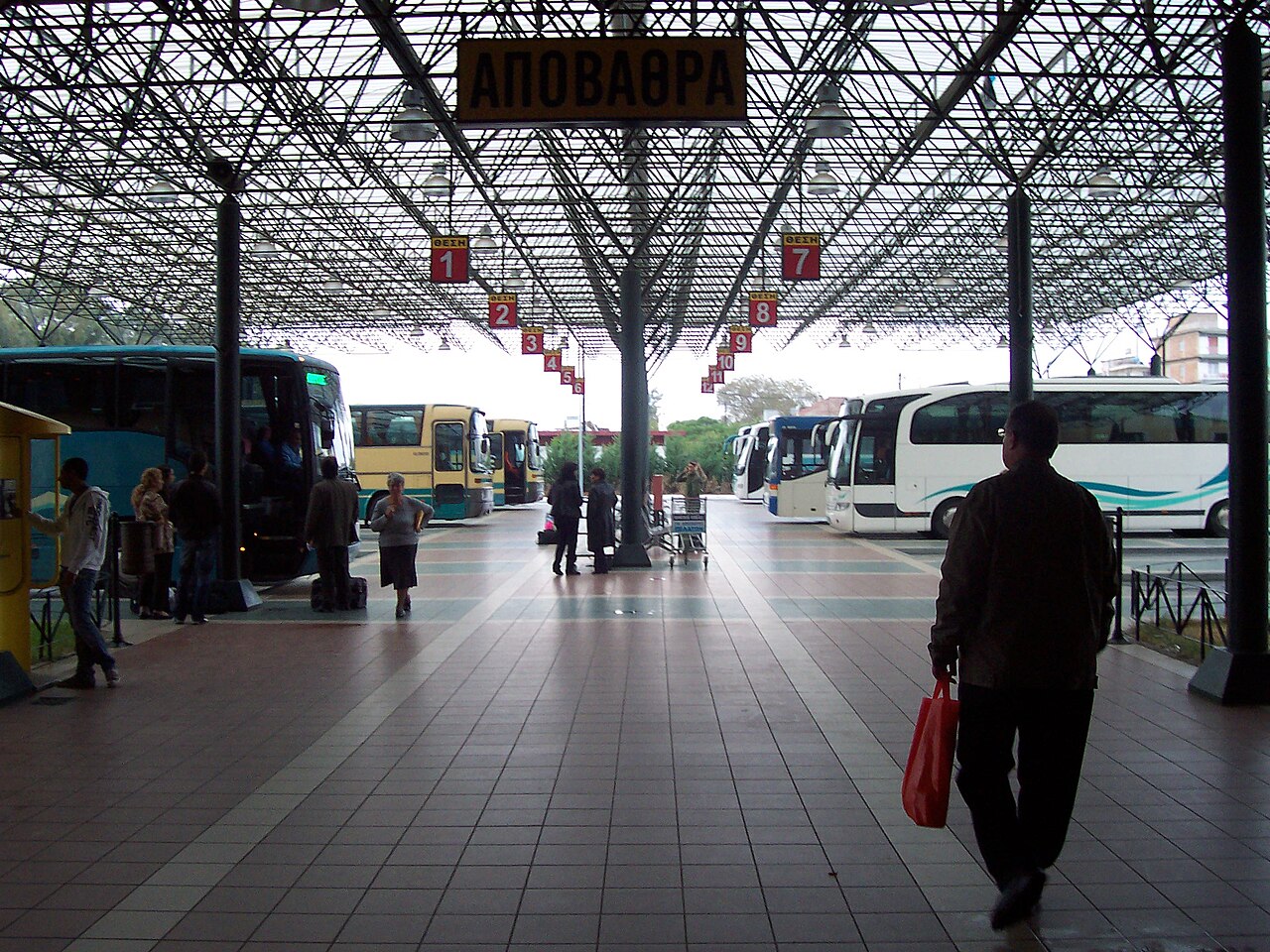


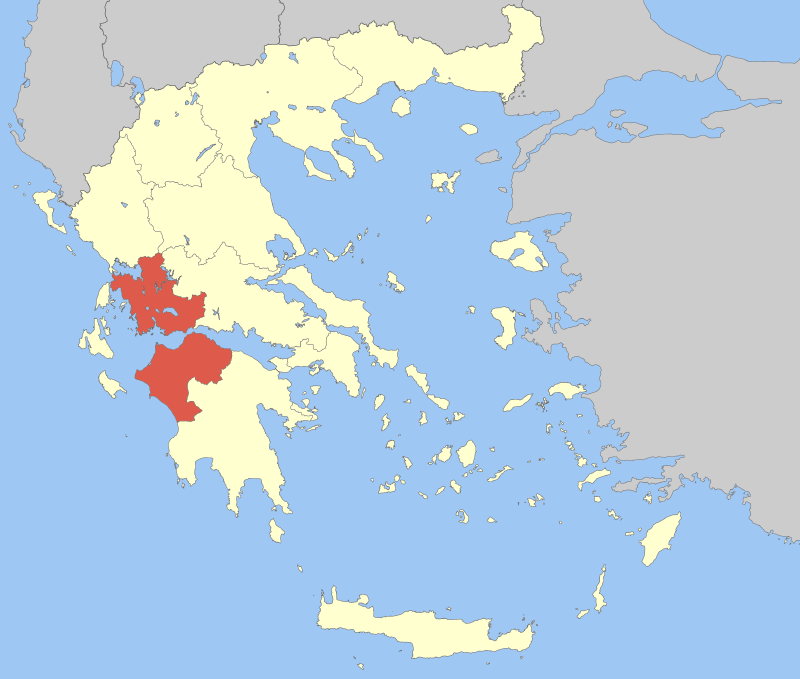
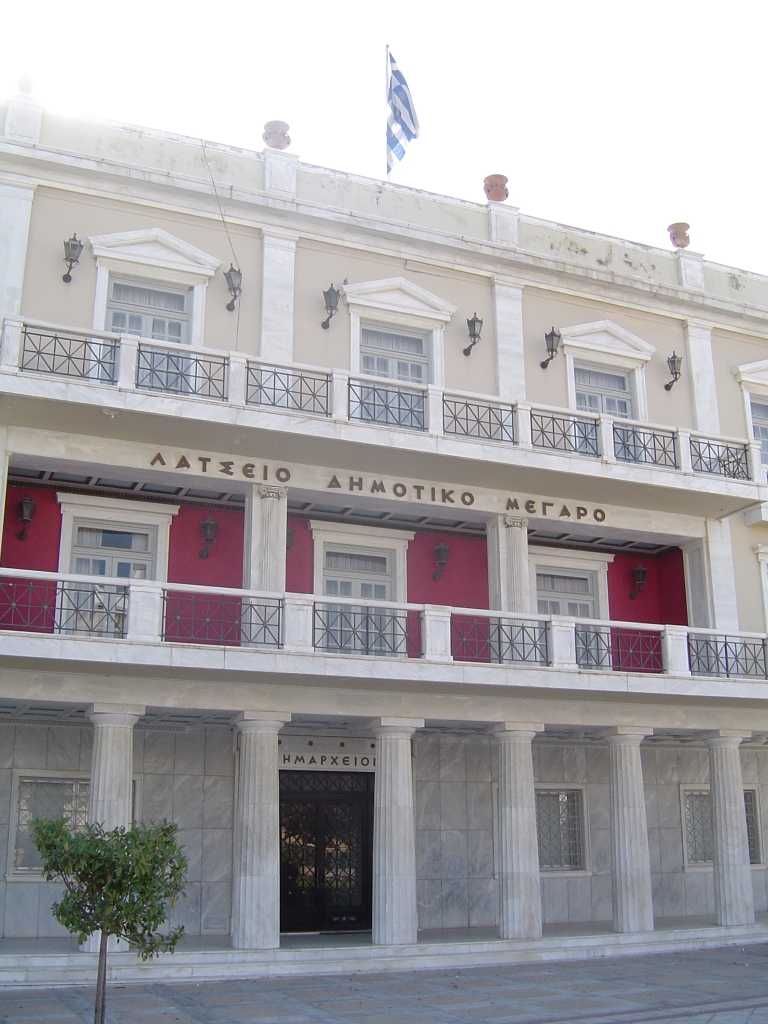
Geography and layout
Pyrgos is positioned on lowland terrain of western Peloponnese and serves as a crossroads for roads linking the Ionian coast with inland parts of the region. Its location between larger urban centres makes it an accessible stopping point for travelers heading to archaeological sites and coastal resorts. The surrounding territory is principally agricultural, with farms and olive groves shaping the local landscape.
History and development
The modern town developed as a regional administrative and commercial centre. Over time it absorbed smaller settlements and expanded public services, providing judicial, educational and medical facilities for Ilia prefecture. While ancient remains in the immediate town are limited, Pyrgos's proximity to ancient Elis and Olympia ties it into the deeper classical history of the region.
Economy and role
The economy of Pyrgos combines agriculture, small industry, commerce and services. Local produce such as olives, olive oil and citrus fruits are important to the rural economy; trade and public administration sustain urban employment. Tourism linked to visits to nearby Olympia also contributes, particularly during the main travel season when museums, hotels and restaurants see increased activity.
Notable facts
- Pyrgos is the administrative seat of Ilia prefecture and a focal point for regional services.
- Its proximity to Olympia makes it a gateway for visitors to a major archaeological and UNESCO-related destination.
- The town combines agricultural surroundings with municipal infrastructure serving a wider rural population.
Today Pyrgos remains a modest regional capital: not a large metropolis, but an important local centre linking the inland and coastal parts of western Peloponnese and supporting both everyday life and cultural tourism in the area.
Related articles
Author
AlegsaOnline.com Pyrgos (Ilia, Greece) Leandro Alegsa
URL: https://en.alegsaonline.com/art/80240